Scud
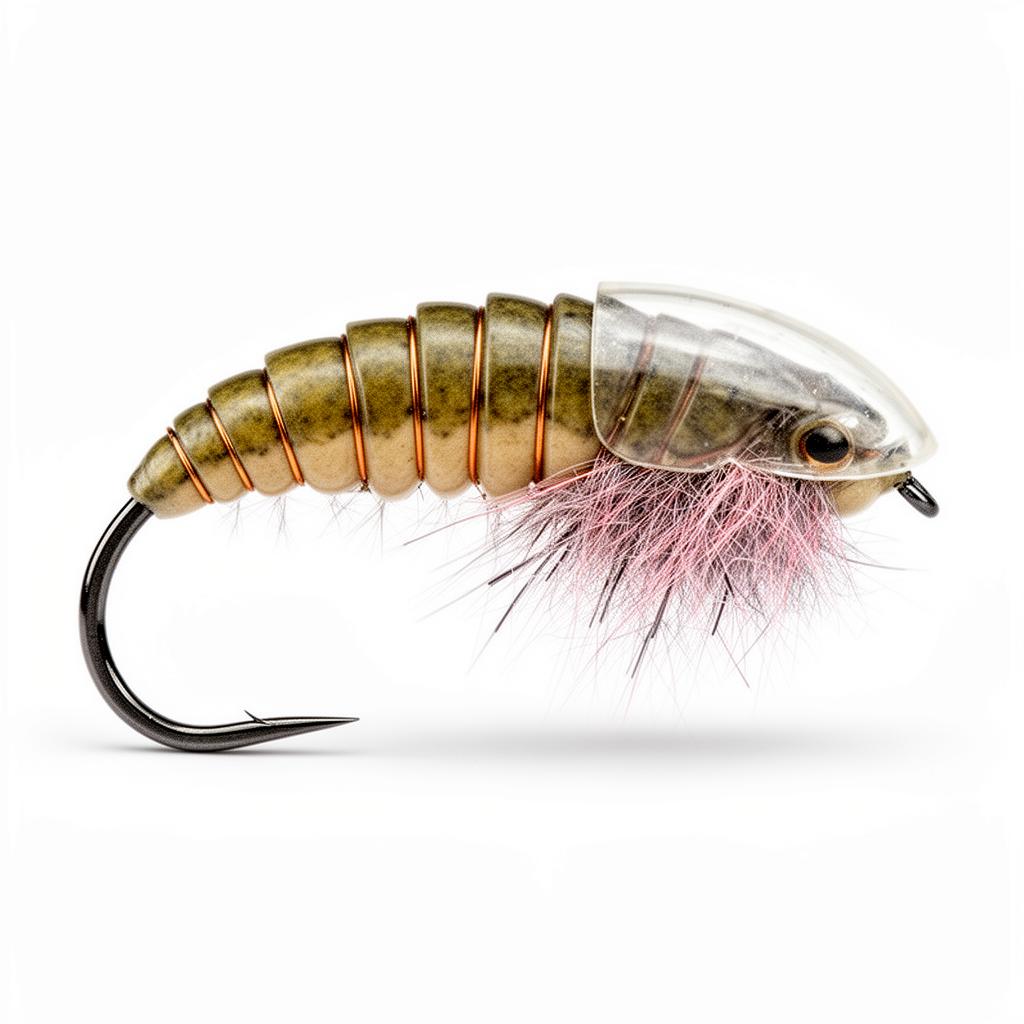
Imitates: Freshwater scud (Gammarus), sow bug, cress bug
Quick Reference
- Best Sizes
- #14-18
- Best Season
- Year-round
- Best Conditions
- Tailwaters, spring creeks, lakes with weed beds, alkaline water
- Water Temp
- 35-65°F
- Recommended Tippet
- 5X-6X fluorocarbon
How to Rig It
Dead-drift on a nymph rig with an indicator. Often paired with a midge or PT dropper. In stillwater, fish on a slow intermediate line.
How to Present It
Bottom-bounce along weed bed edges and through deep tailrace seams. Scuds live in the salad — fish your fly an inch off the weeds.
Why It Works
Scuds are the highest-protein food source in tailwaters and alkaline lakes. Trout stack up where scud populations explode. The curved body, segmented rib, and shellback profile match the natural so well that fish often eat it on the first drift.
History
Scud patterns date to the 1930s but exploded in popularity with tailwater development in the 1960s and 70s. The Bighorn, Missouri, and San Juan tailwater fisheries are built on scud populations.
Pro Tip
Carry olive, tan, and pink scuds. Dead scuds turn pink/orange as they decompose, and trout target the discolored ones — pink scuds outproduce olive on many tailwaters.
Frequently Asked Questions
What is a scud fly?+
A pattern imitating freshwater scuds (Gammarus shrimp), one of the most abundant food sources in tailwaters, spring creeks, and alkaline lakes.
What color scud should I use?+
Olive matches living scuds; pink or orange matches dying/dead scuds. On tailwaters, pink frequently outfishes natural colors.
Where do scuds live?+
In weed beds, tailwaters, spring creeks, and alkaline stillwaters. Anywhere with cold, mineral-rich water and aquatic vegetation.
Not sure if Scud is right today?
Get a fly recommendation based on live water temp, flow, sky, and time of day for any river in the US.
Open Fly Advisor Map
Map Fly Guide