The 129 Essential Trout Flies
If you carry these 129 flies, you can fish anywhere in North America with confidence. Below is a quick reference — tap any fly for a full breakdown including sizes, water temperature ranges, rigging, presentation, and pro tips.
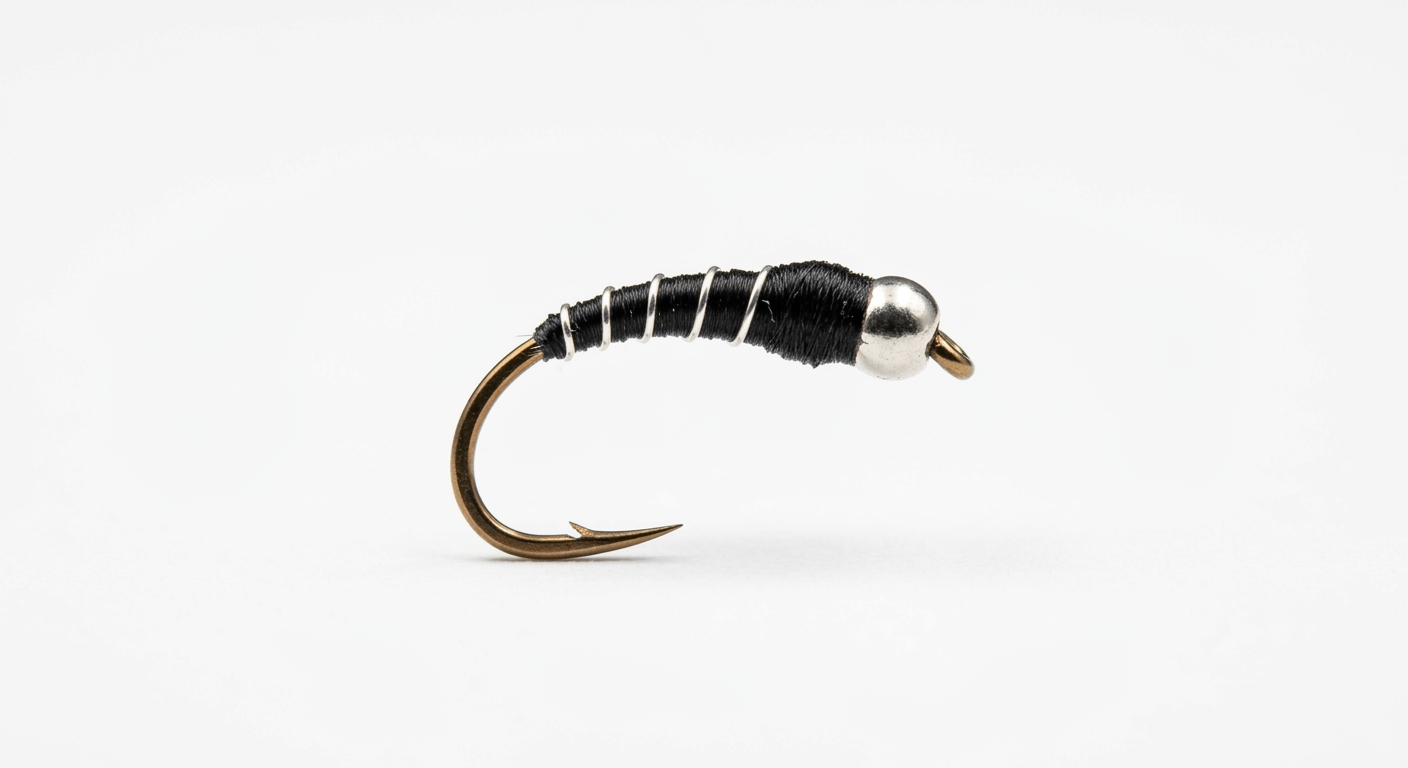
Midge pupa (Chironomid)
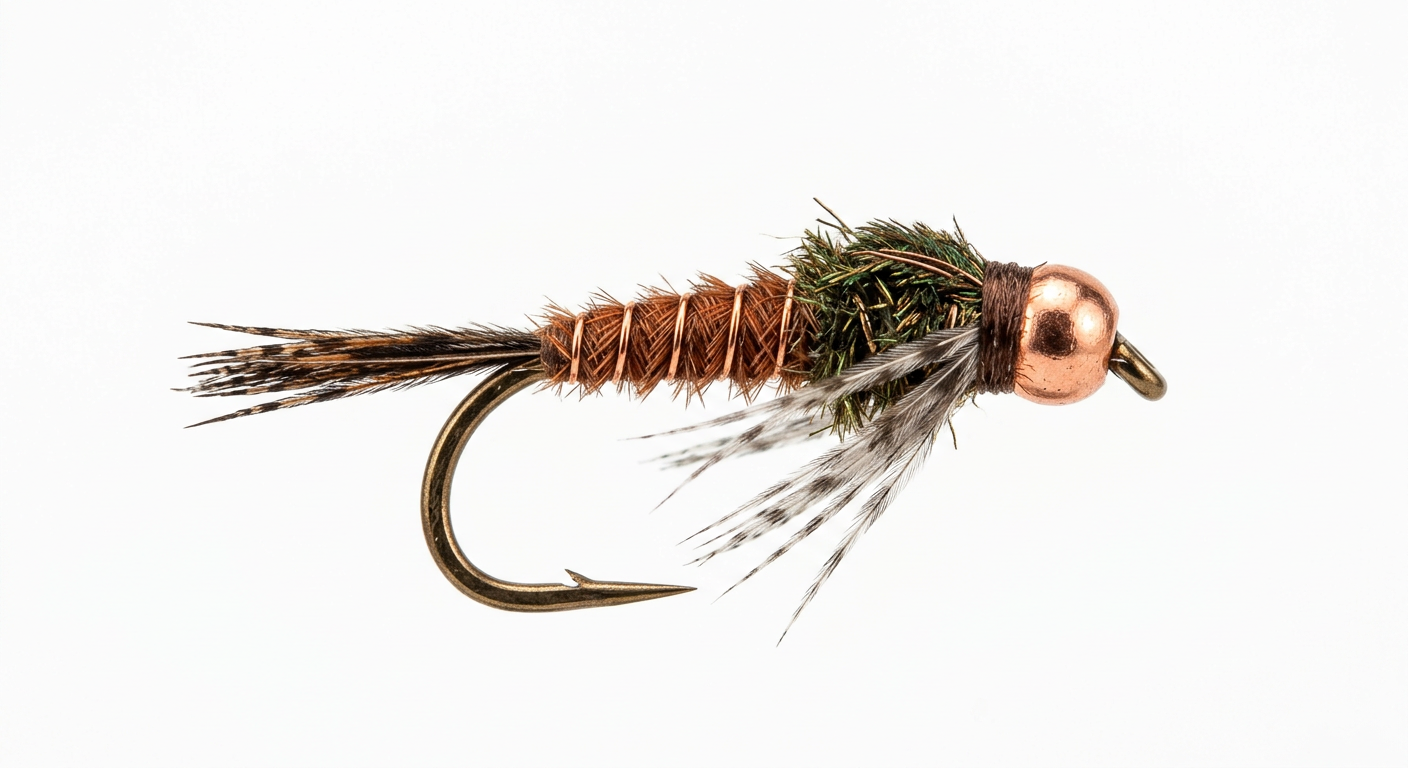
Mayfly nymph (BWO, PMD, Callibaetis)
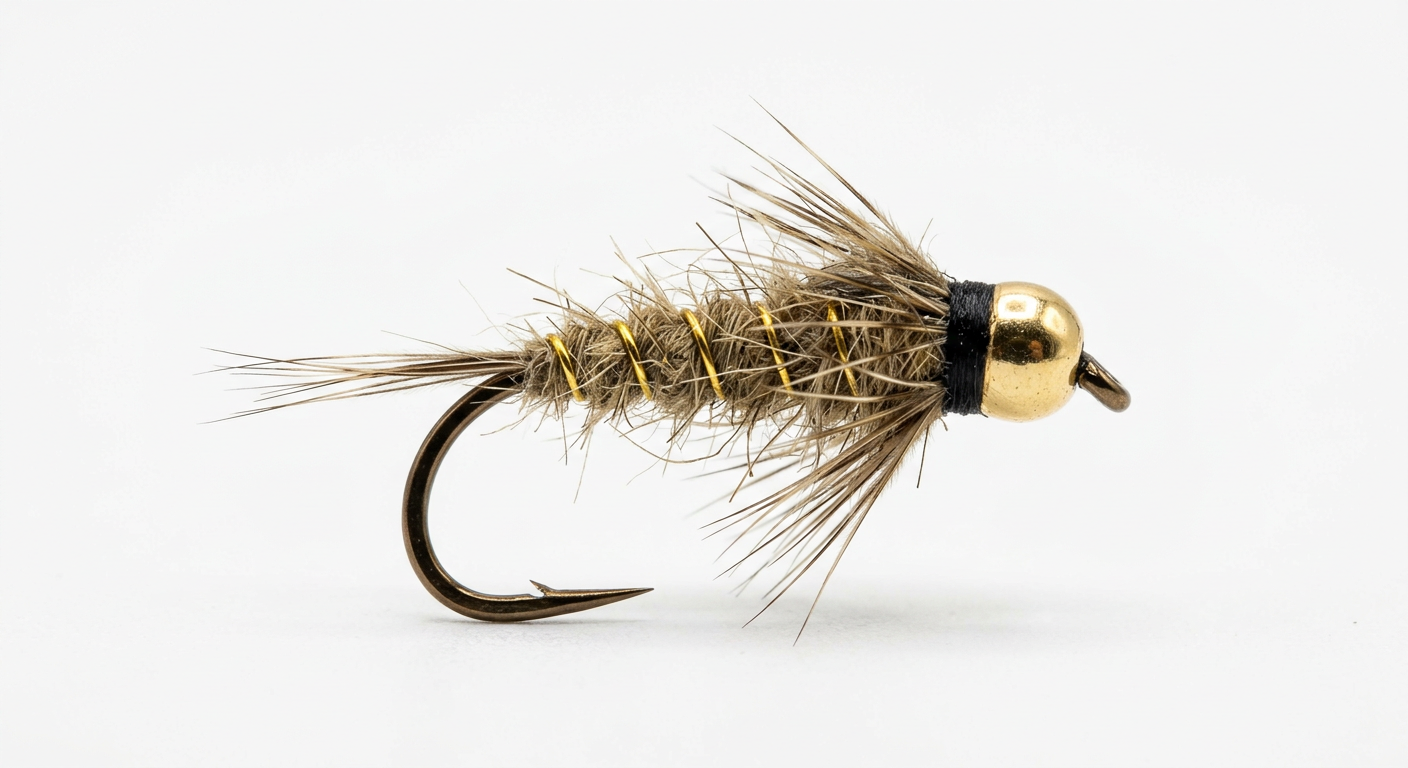
Caddis pupa, mayfly nymph, generic buggy stuff
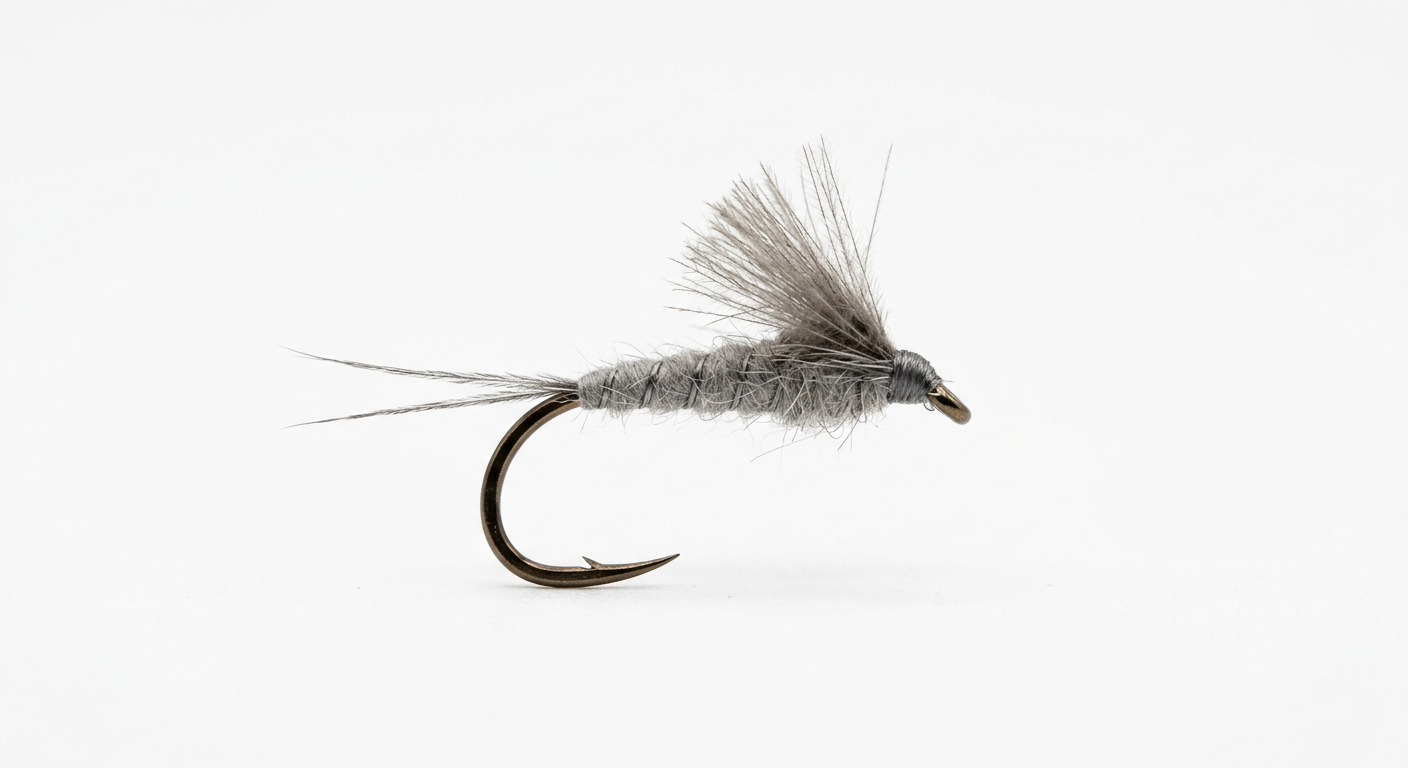
Mayfly emerger (BWO, PMD, midge)
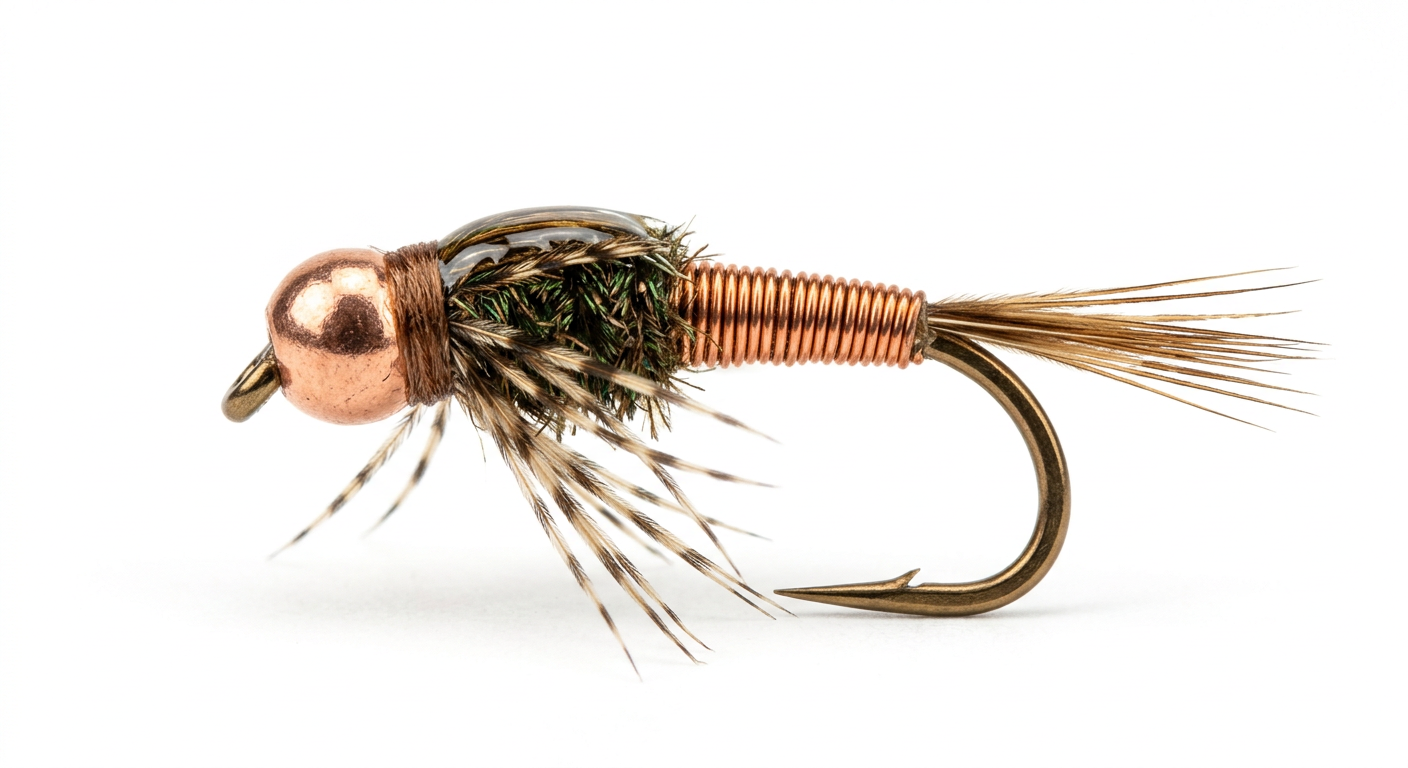
Mayfly/stonefly nymph + sinking weight
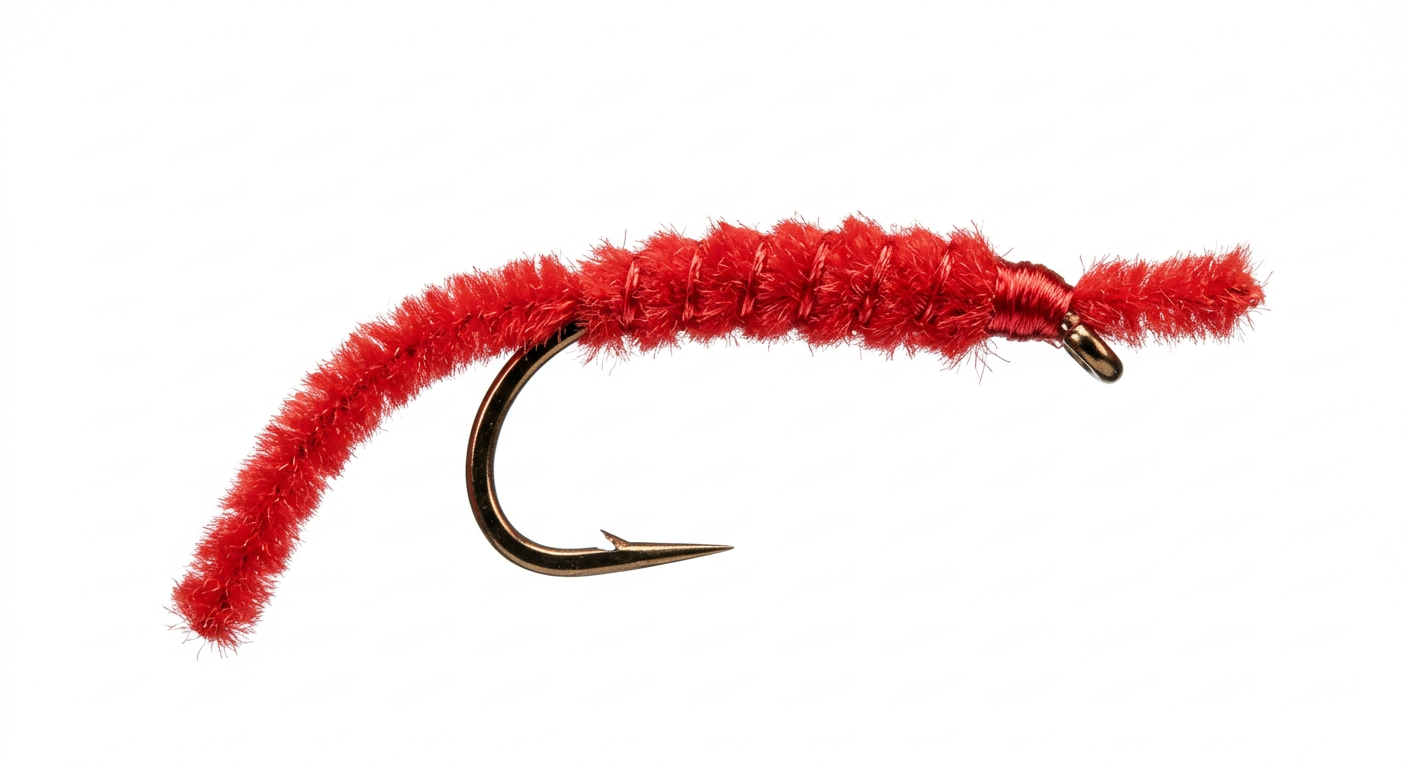
Aquatic worm (annelid)
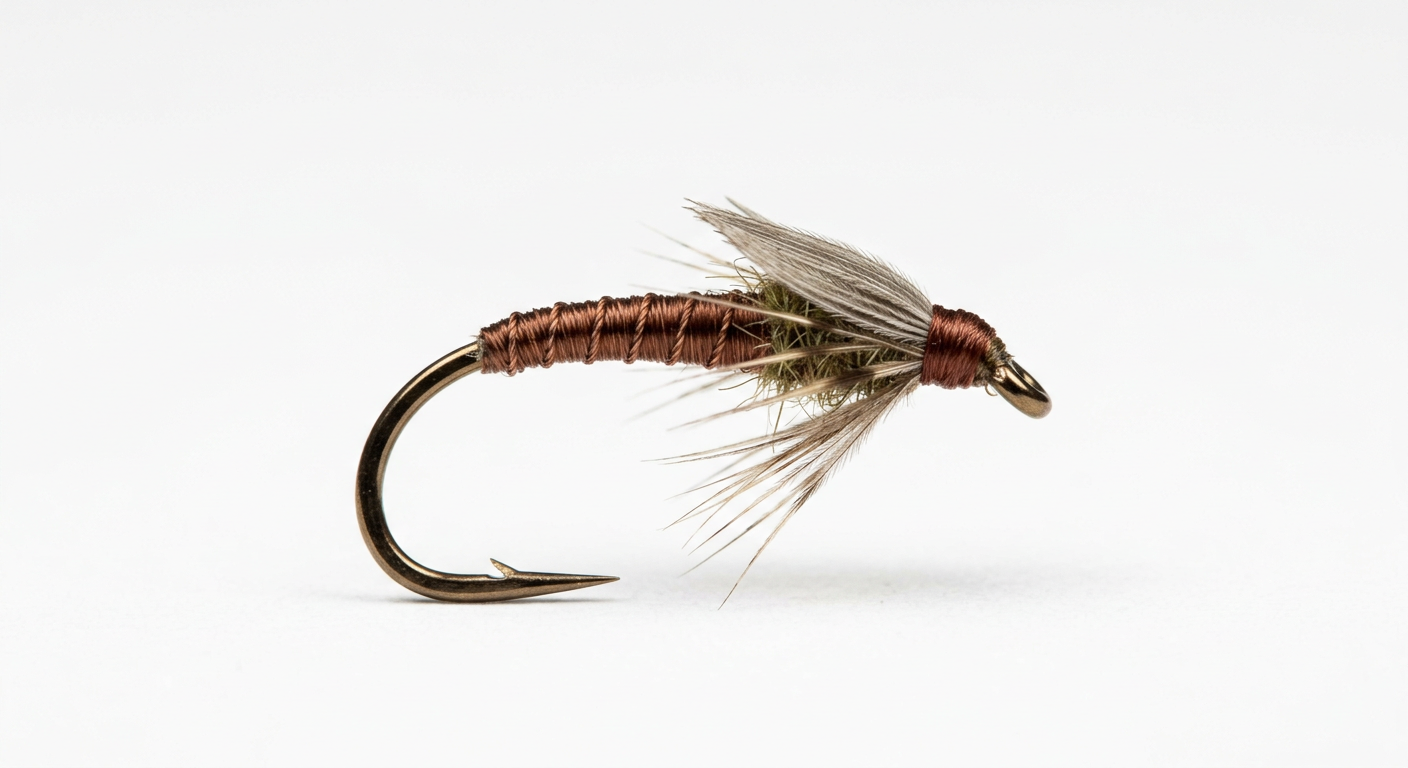
Midge or BWO emerger
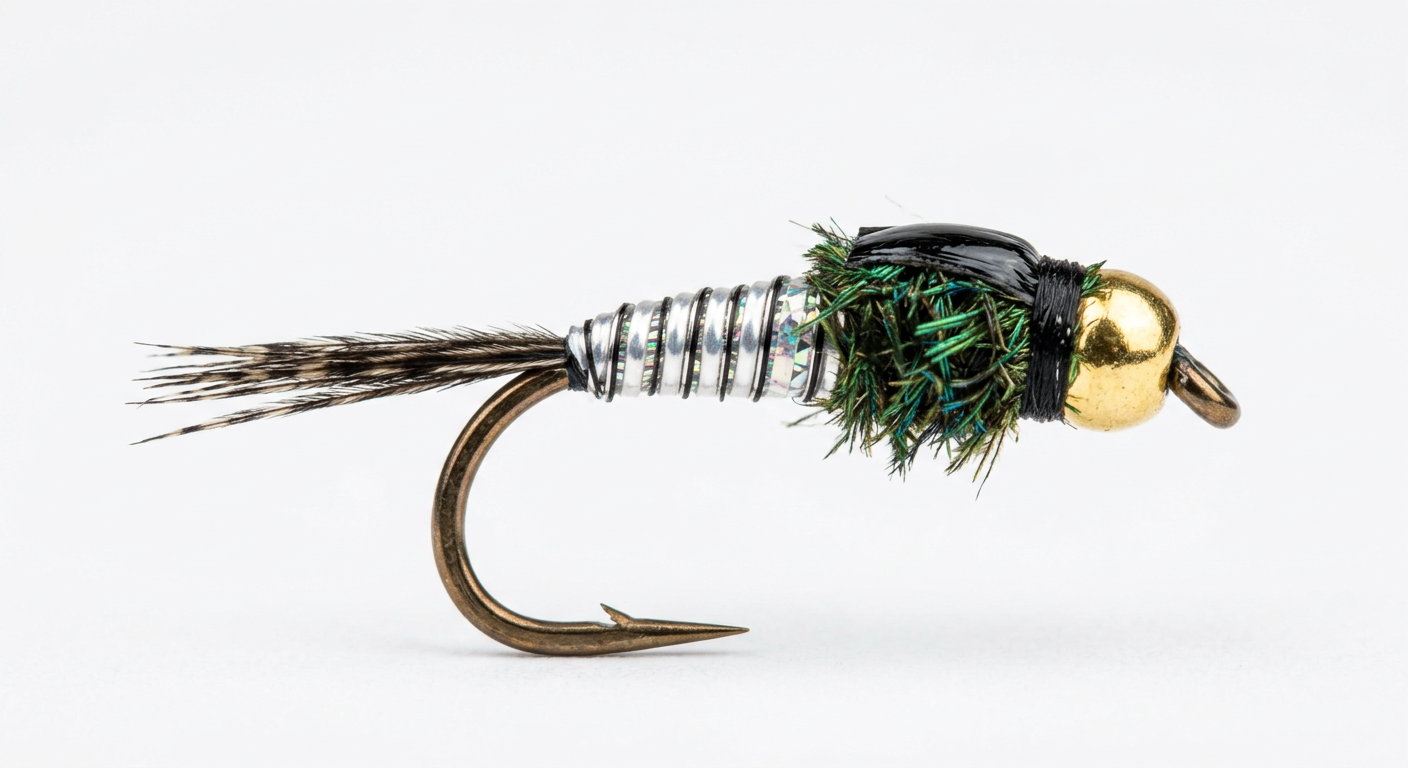
Flashy mayfly/caddis attractor
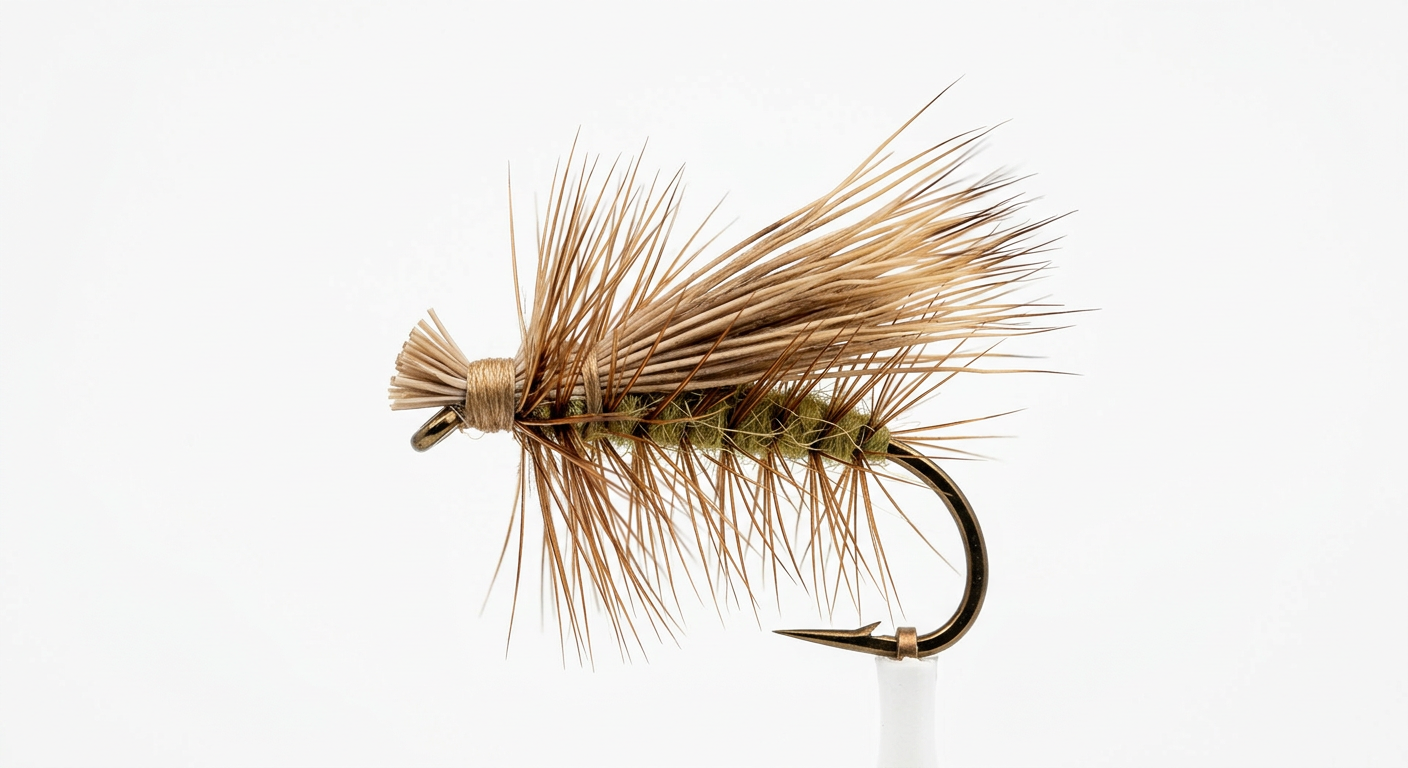
Adult caddisfly
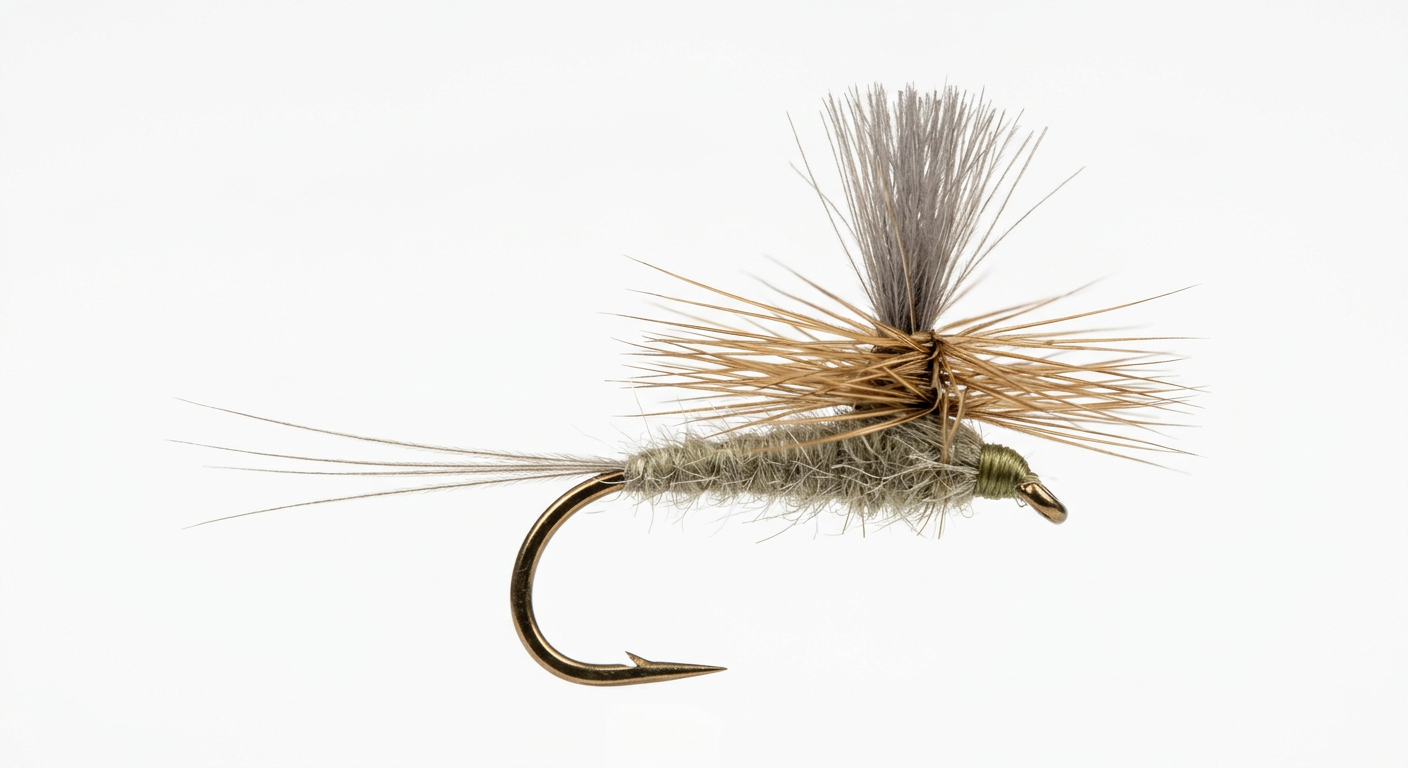
Adult Baetis mayfly
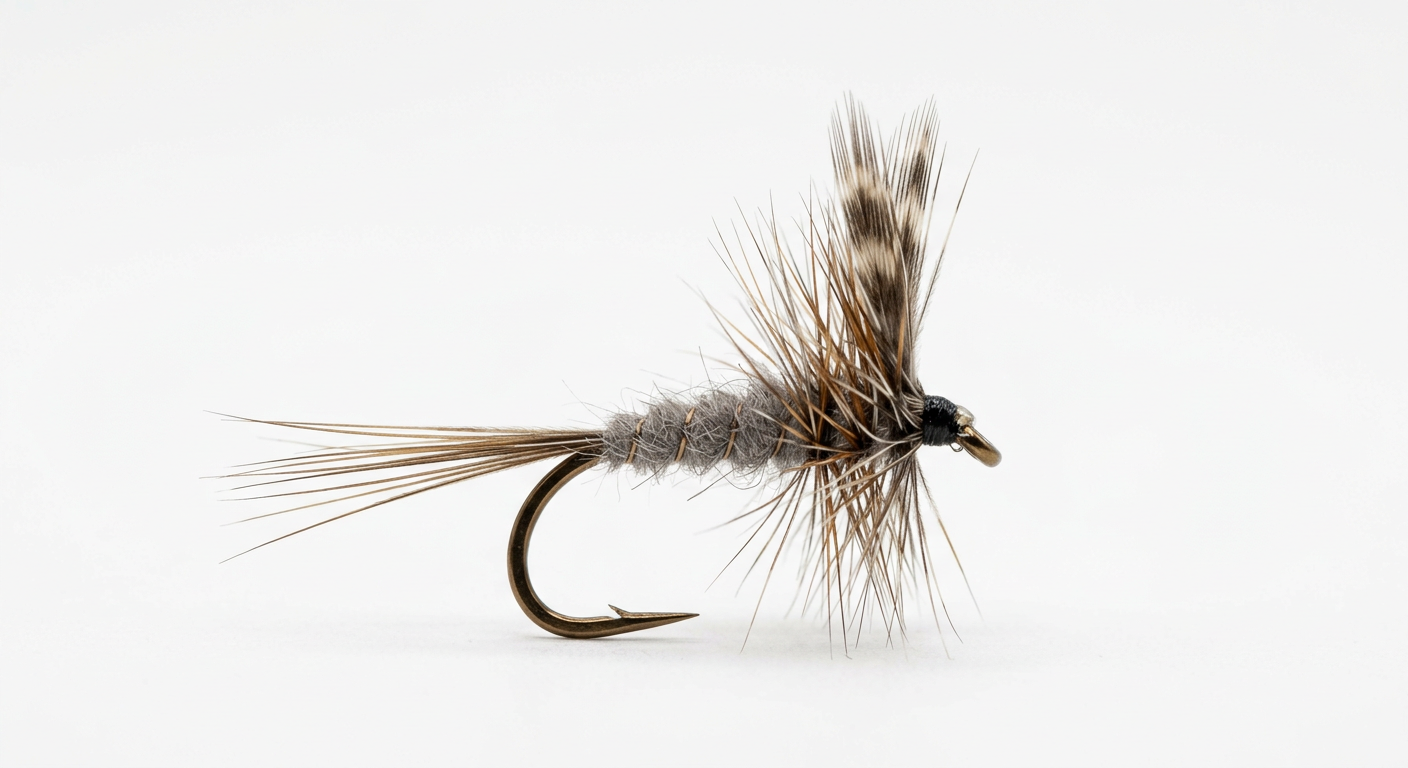
Generic mayfly adult
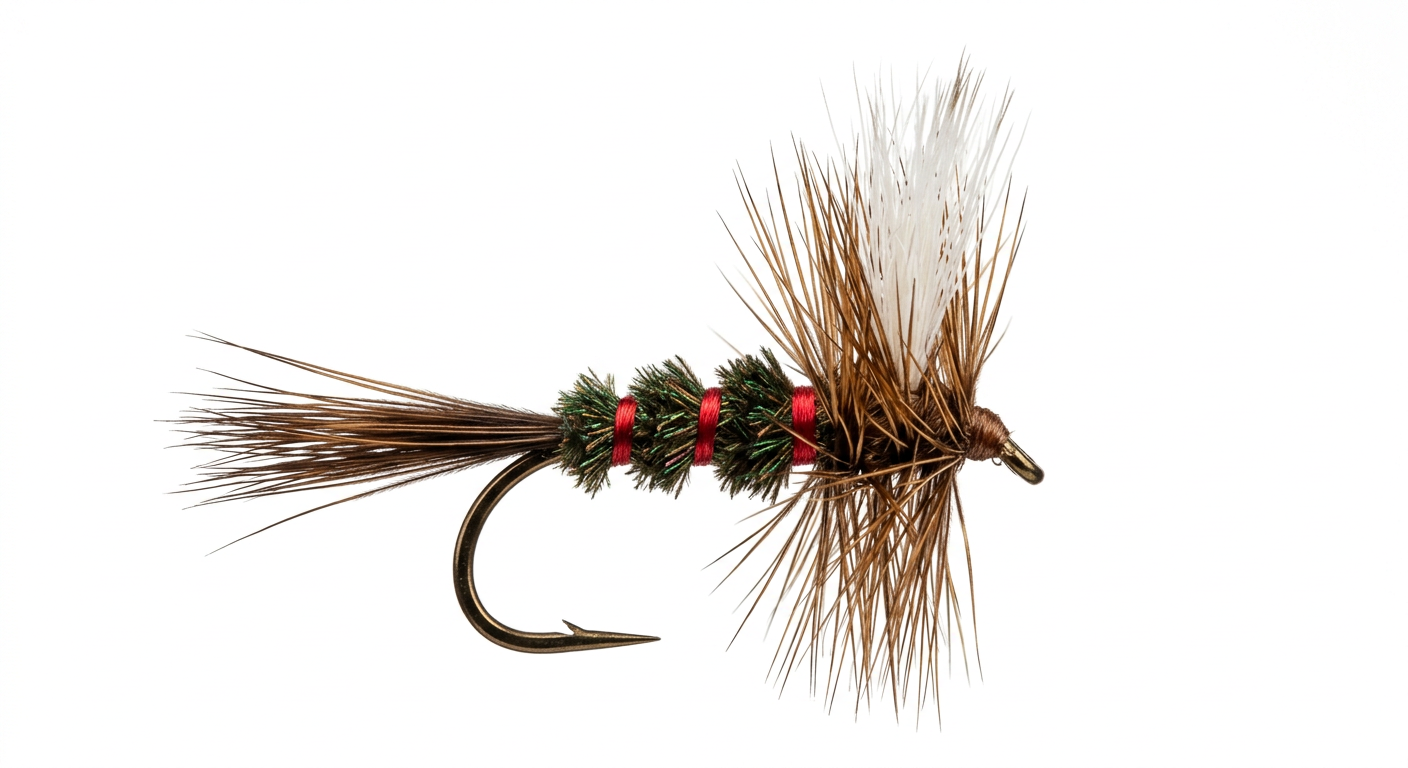
Attractor — no specific bug
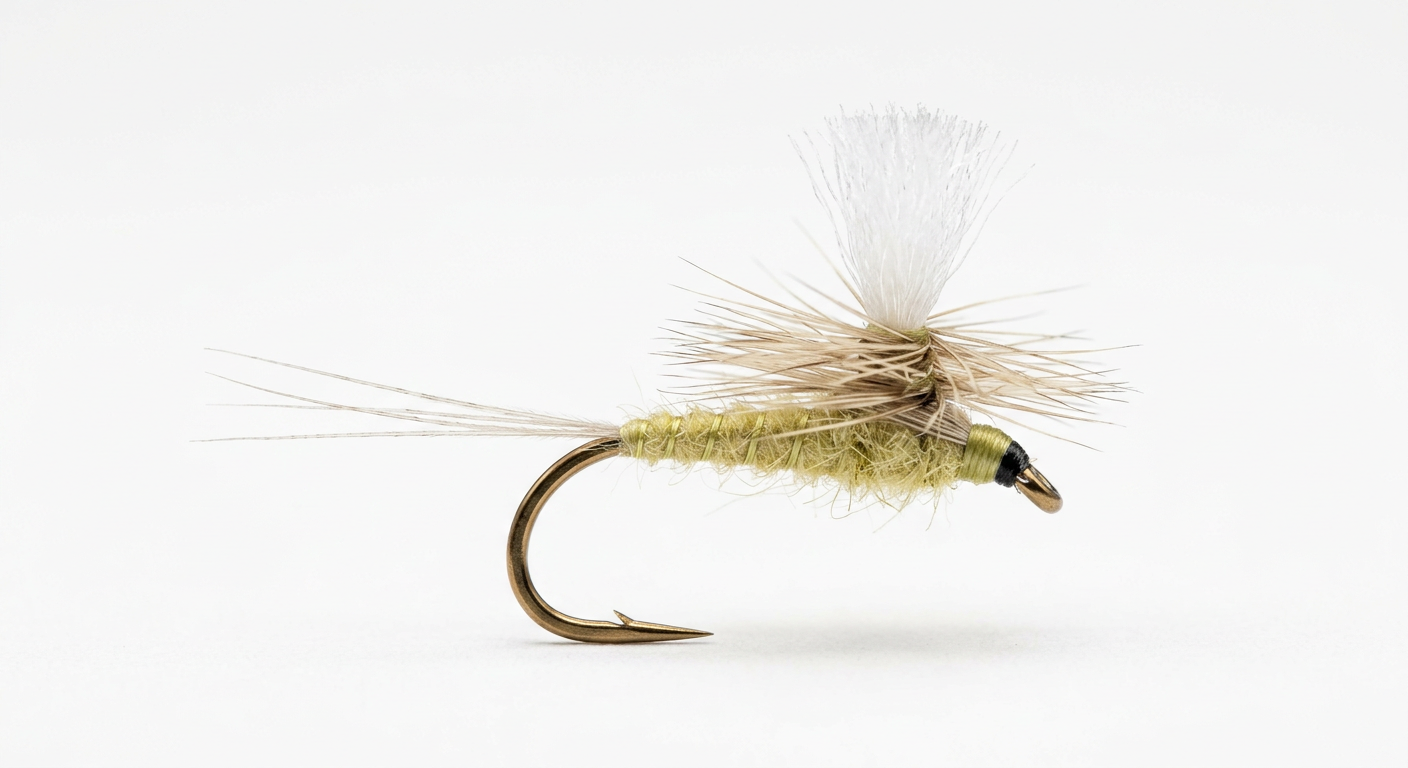
Ephemerella mayfly adult
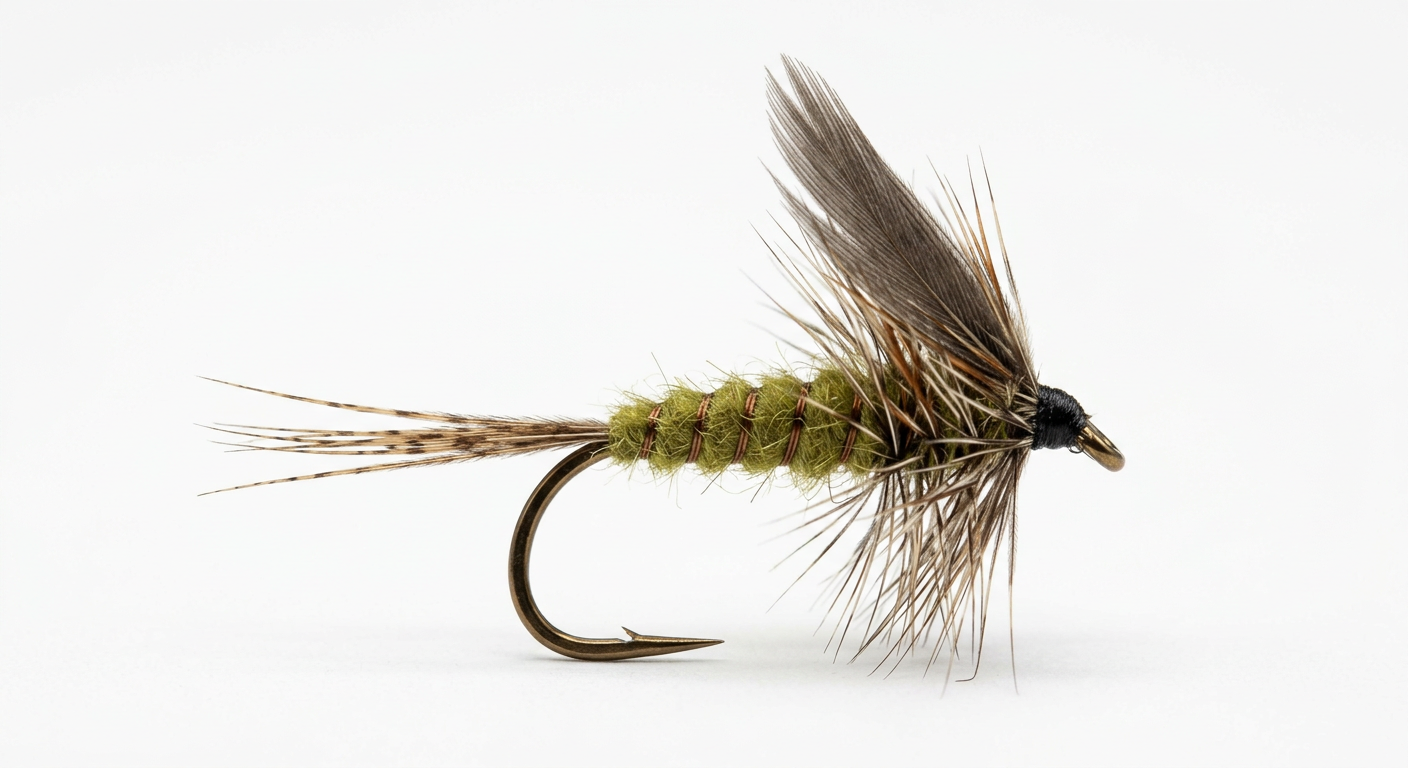
Drunella adult mayfly (one of the largest)
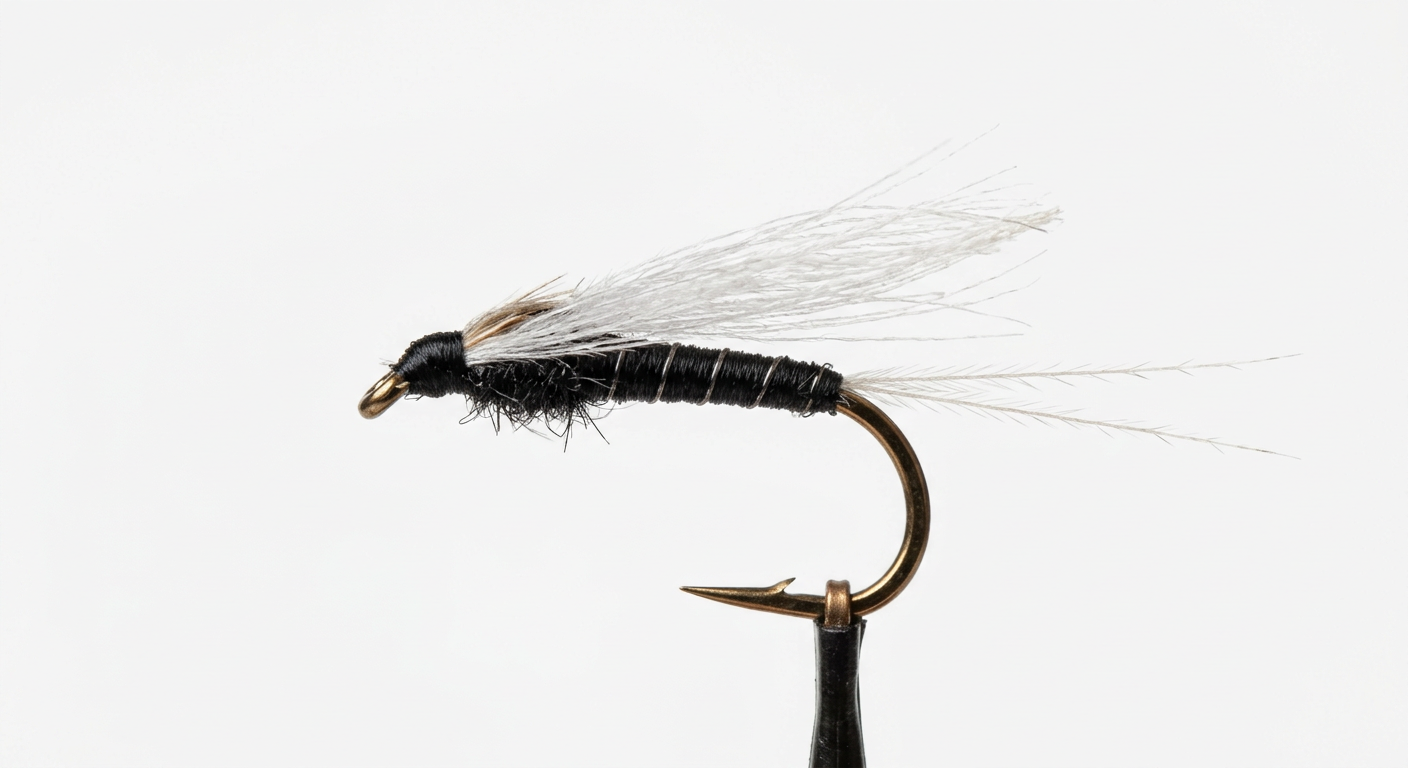
Tricorythodes spinner
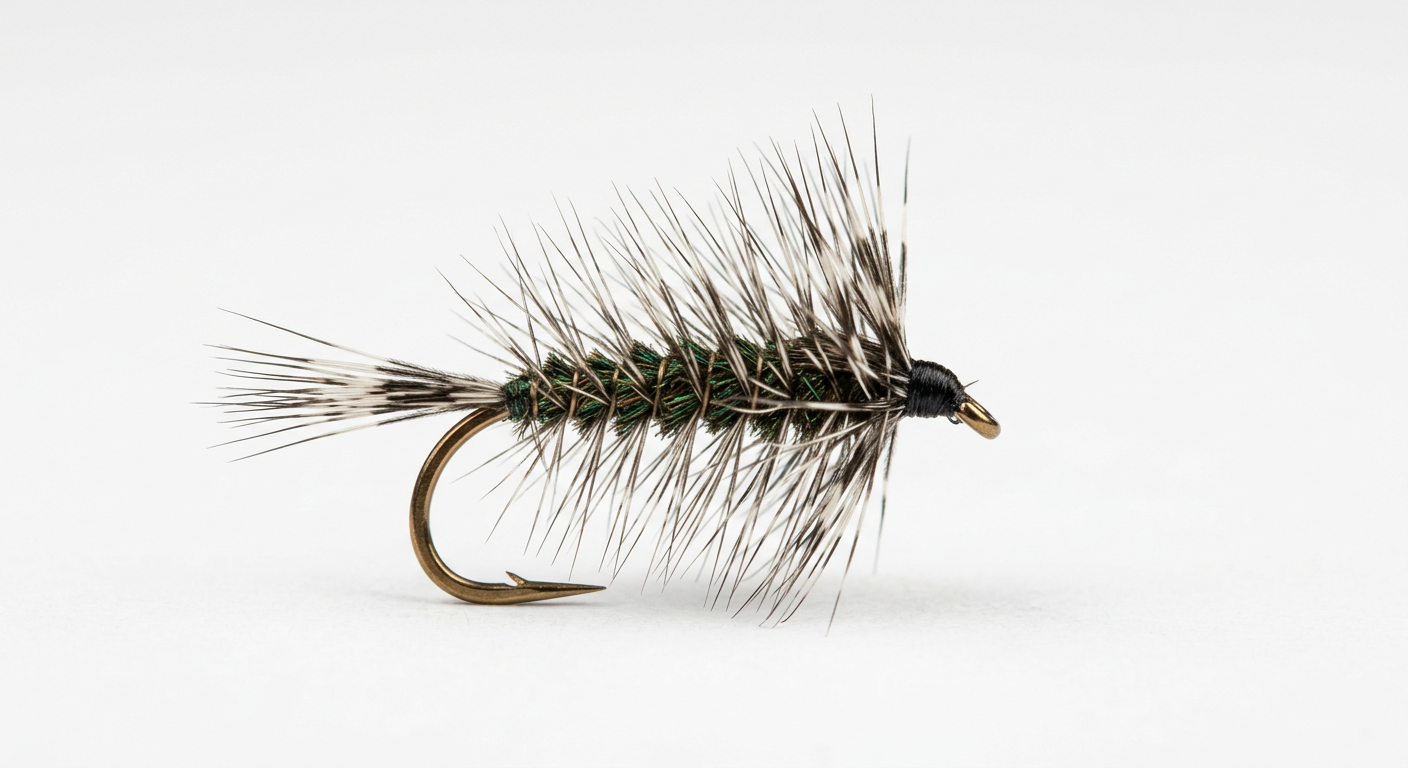
Cluster of midges mating on the surface
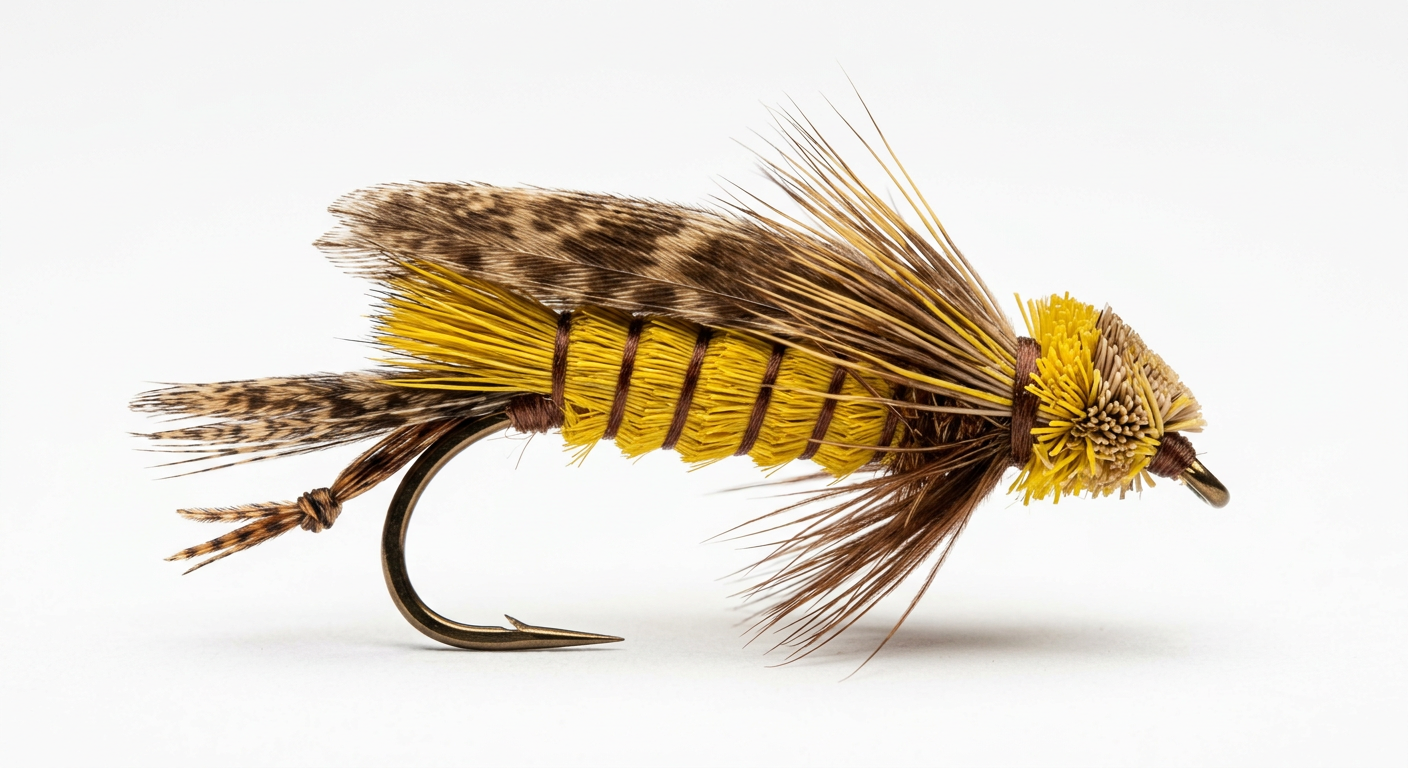
Adult grasshopper
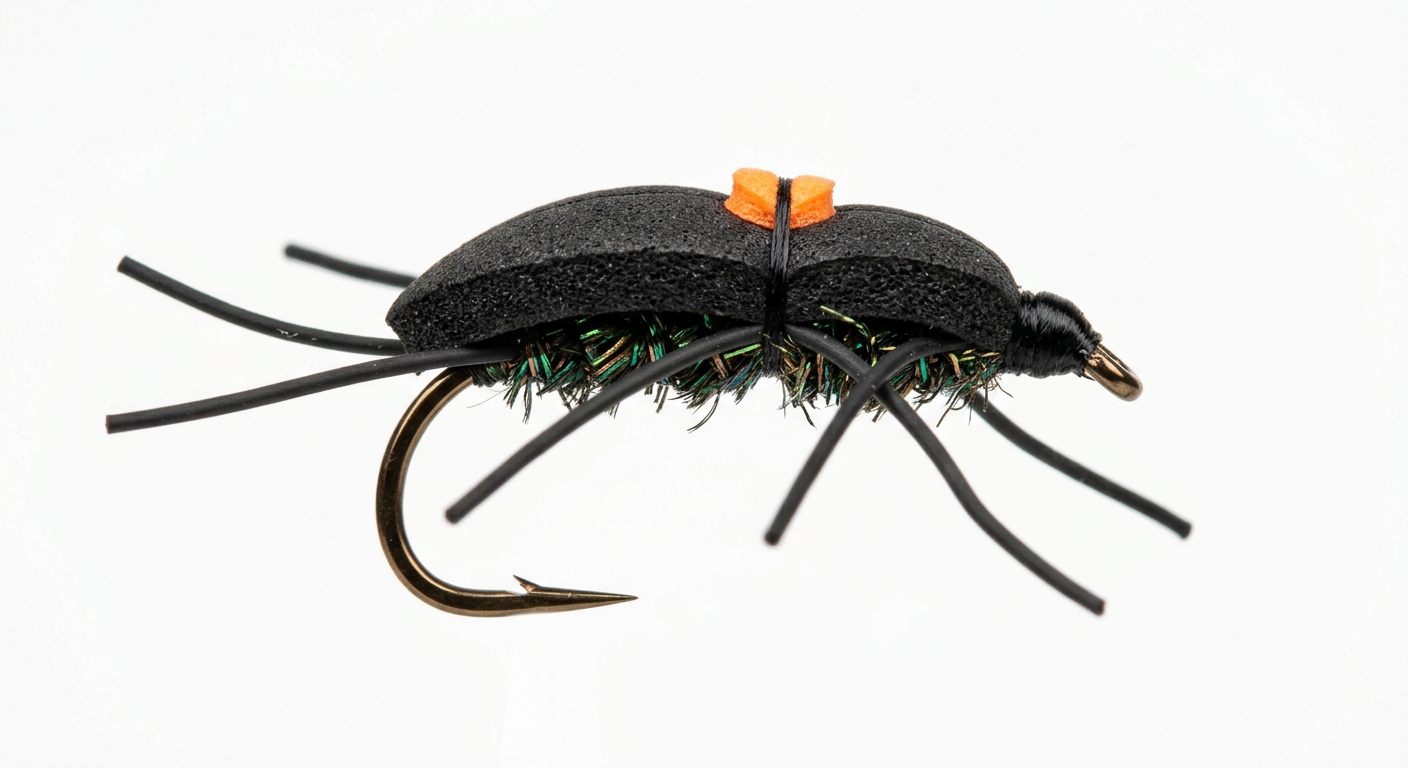
Adult beetle
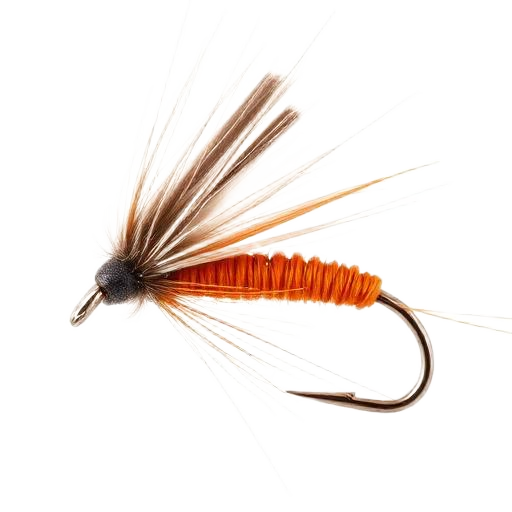
Emerging caddis or mayfly
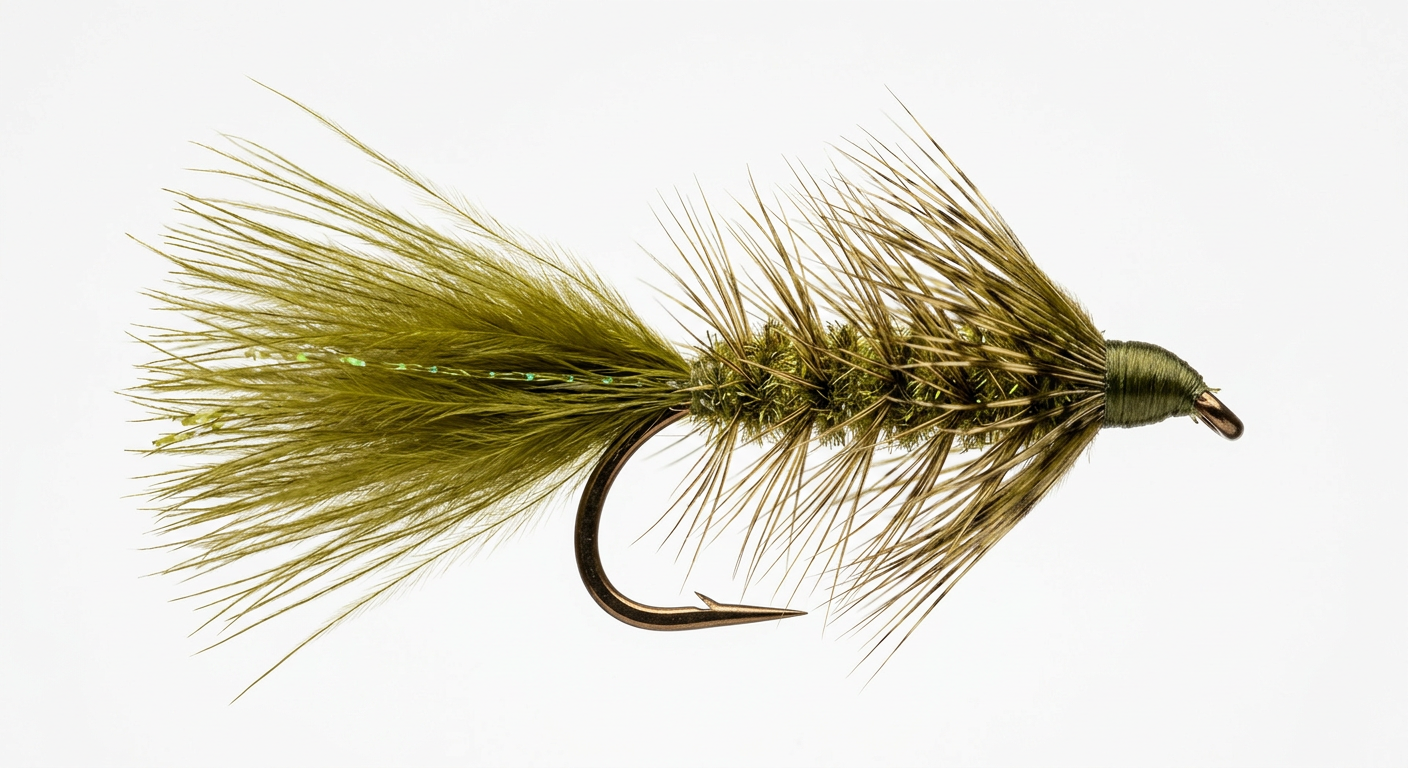
Baitfish, leech, crayfish, big nymph — everything
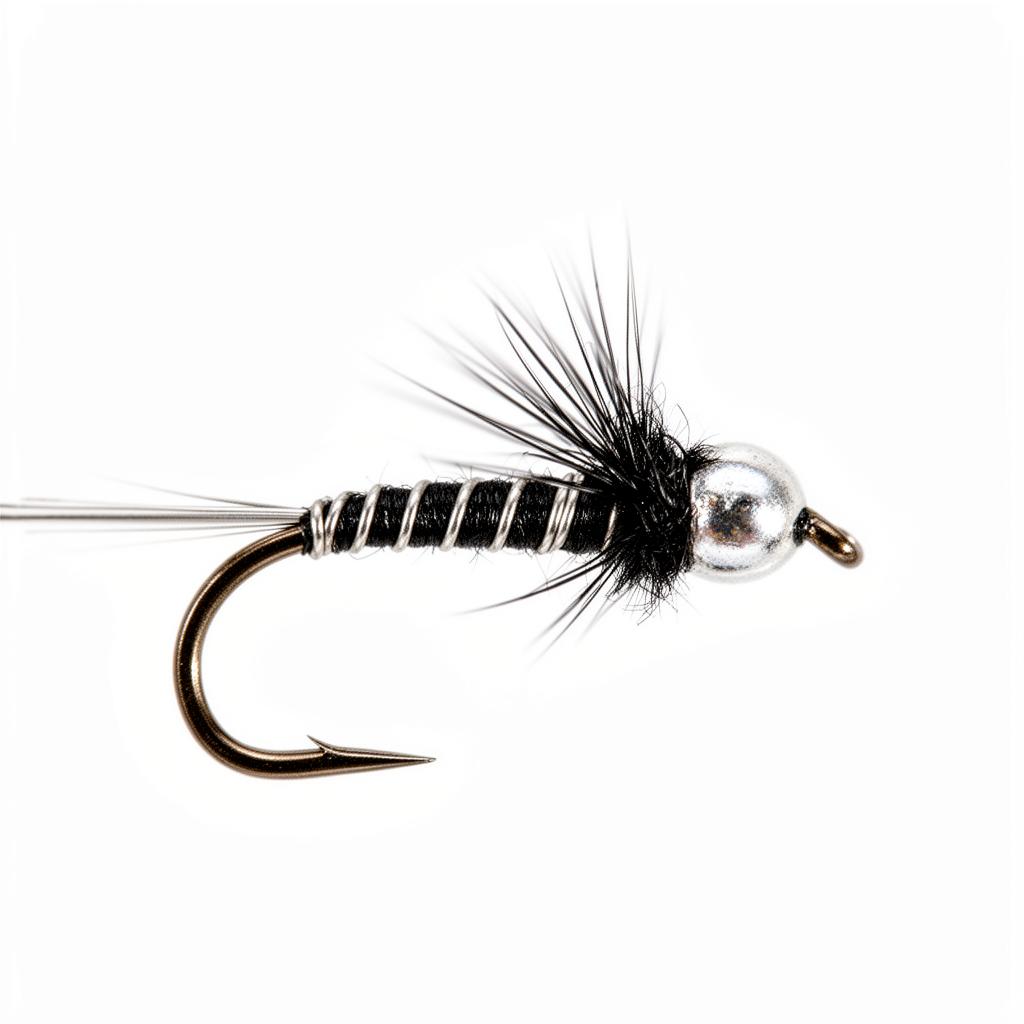
Midge pupa with air bubble (Chironomid)
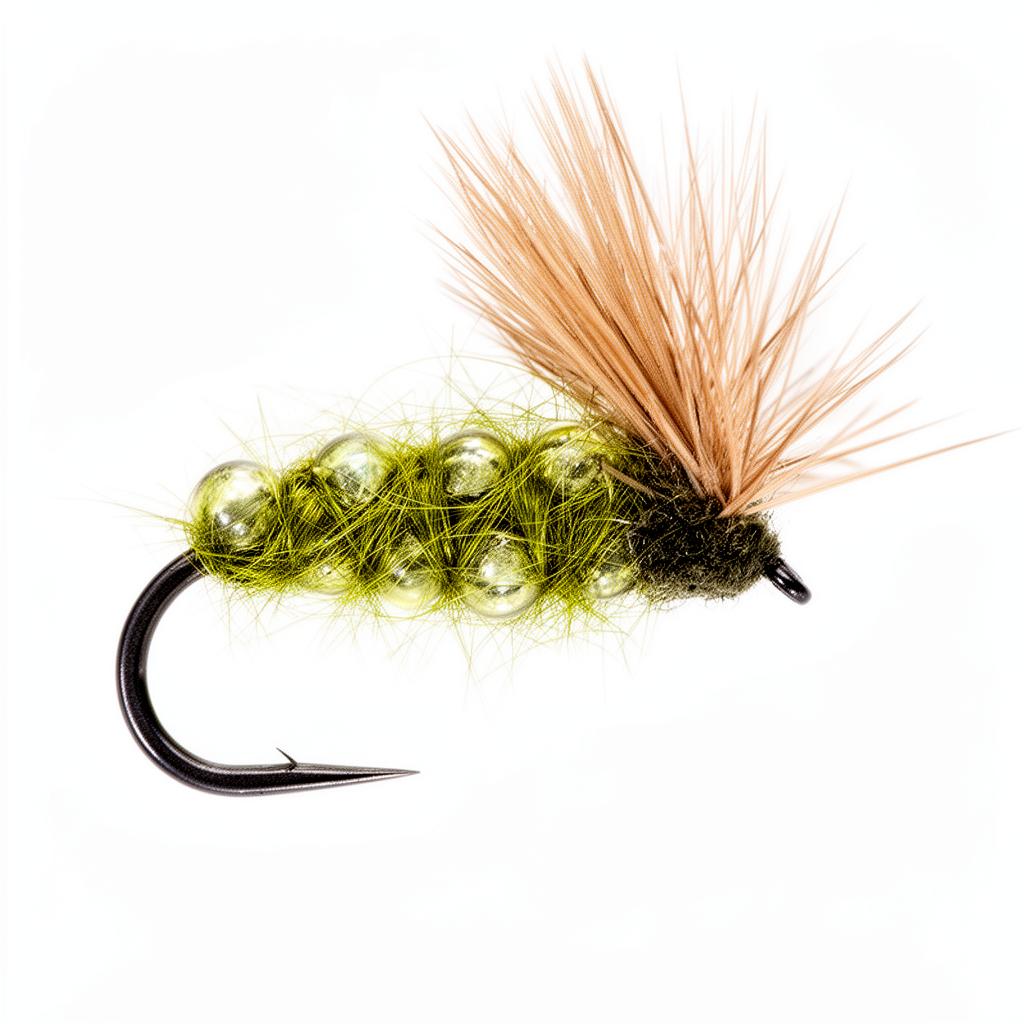
Emerging caddis pupa rising to the surface
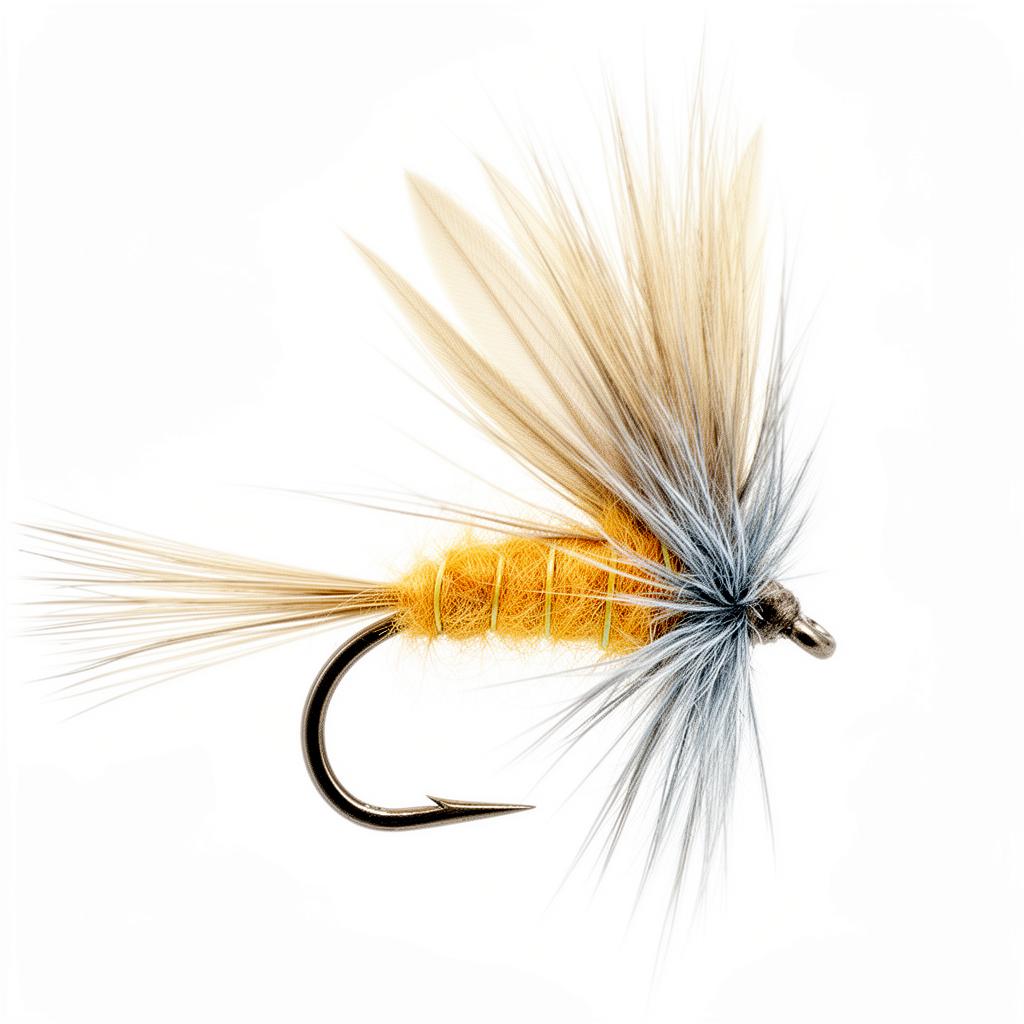
Sulphur mayfly dun (Ephemerella invaria, E. dorothea)
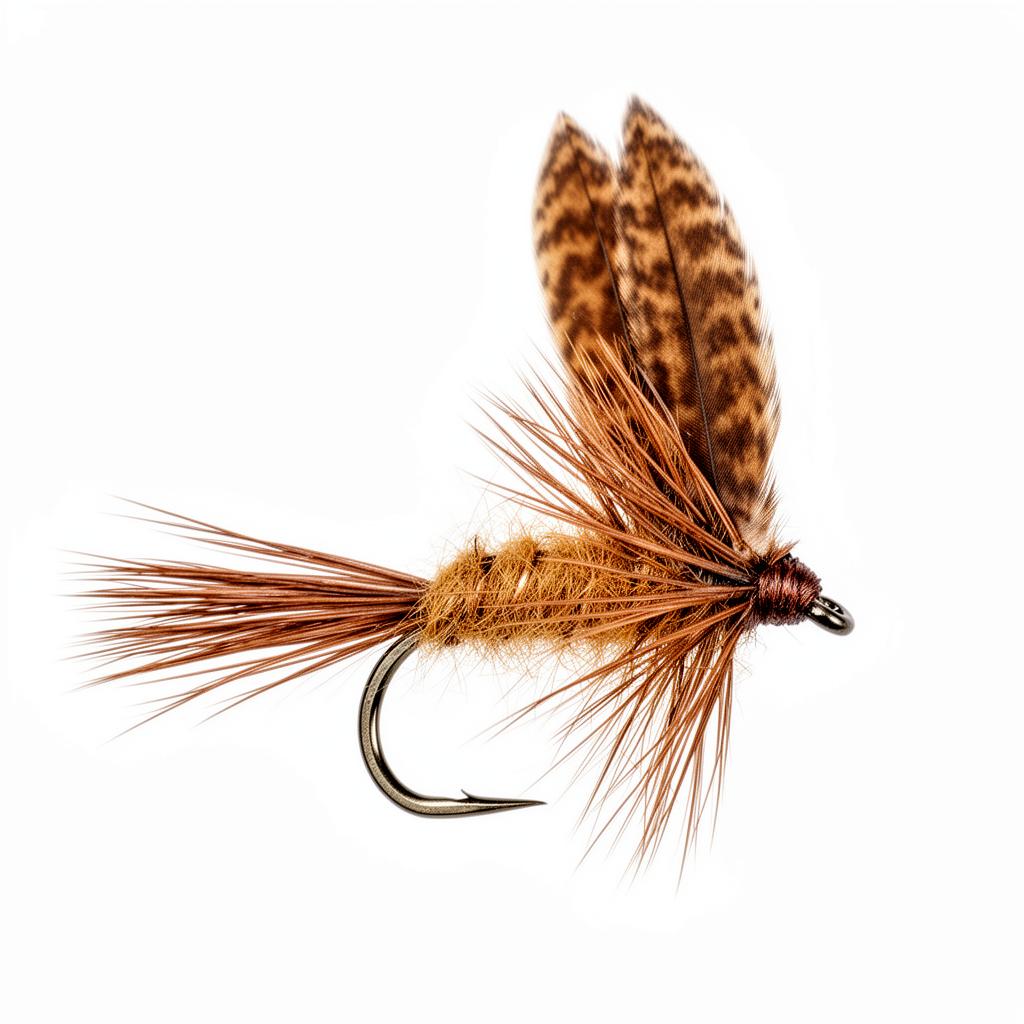
March Brown mayfly dun (Maccaffertium vicarium)
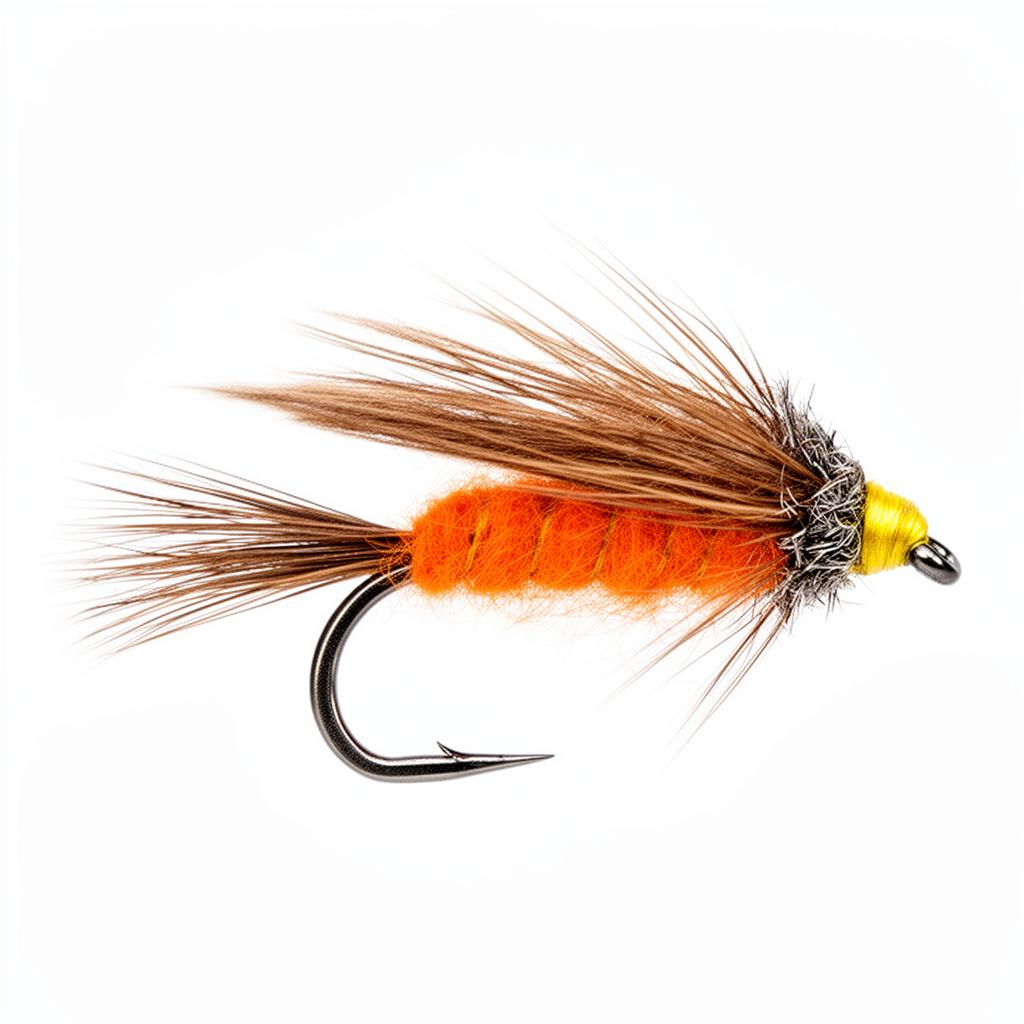
Adult stonefly, large caddis, or generic big bug attractor
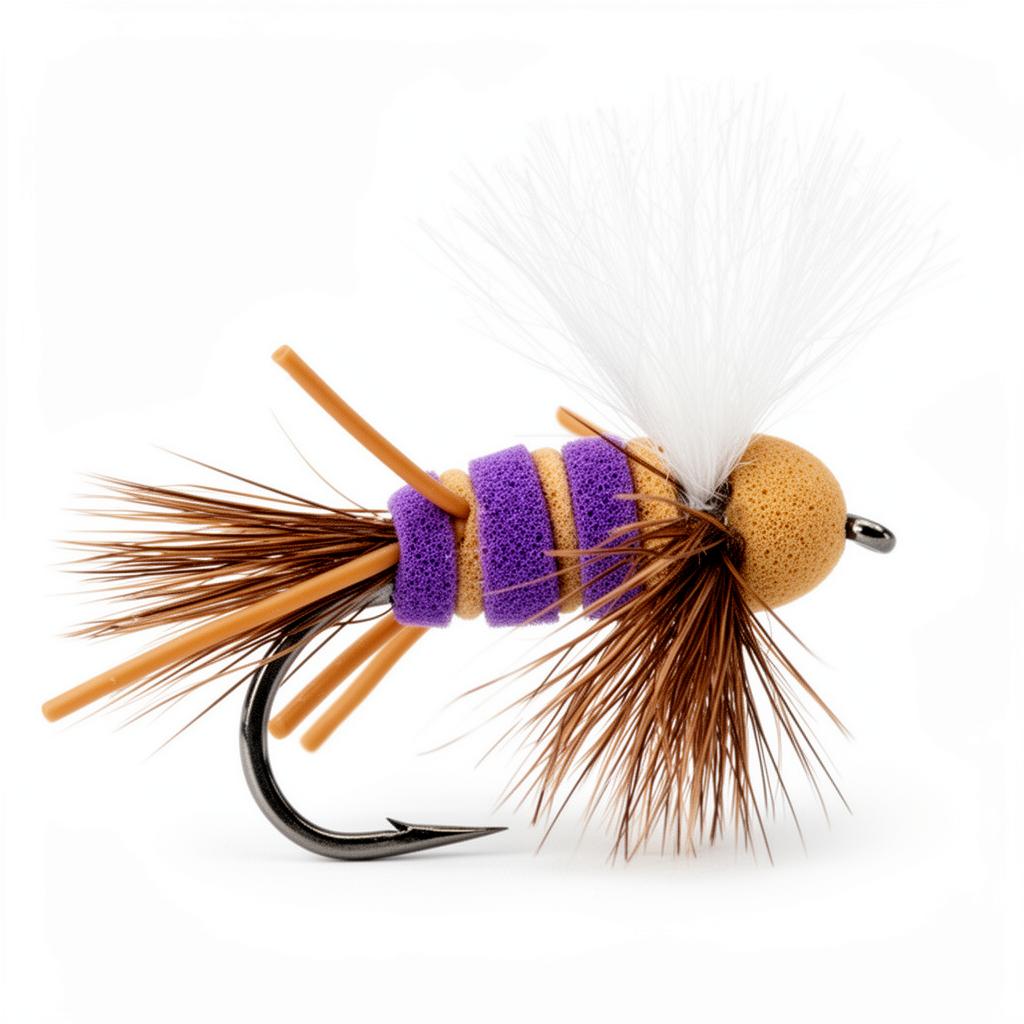
Hopper, large stonefly, or generic foam attractor
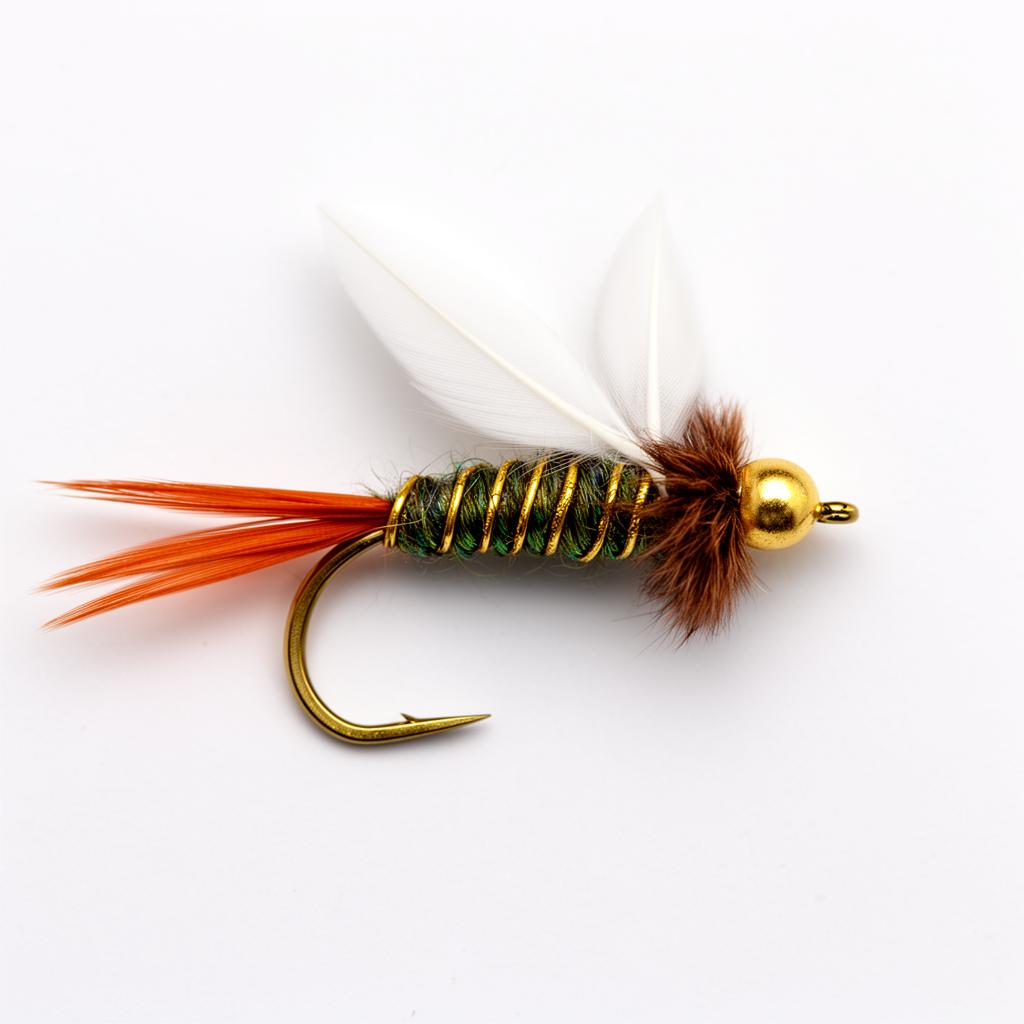
Stonefly nymph, mayfly nymph, generic attractor nymph
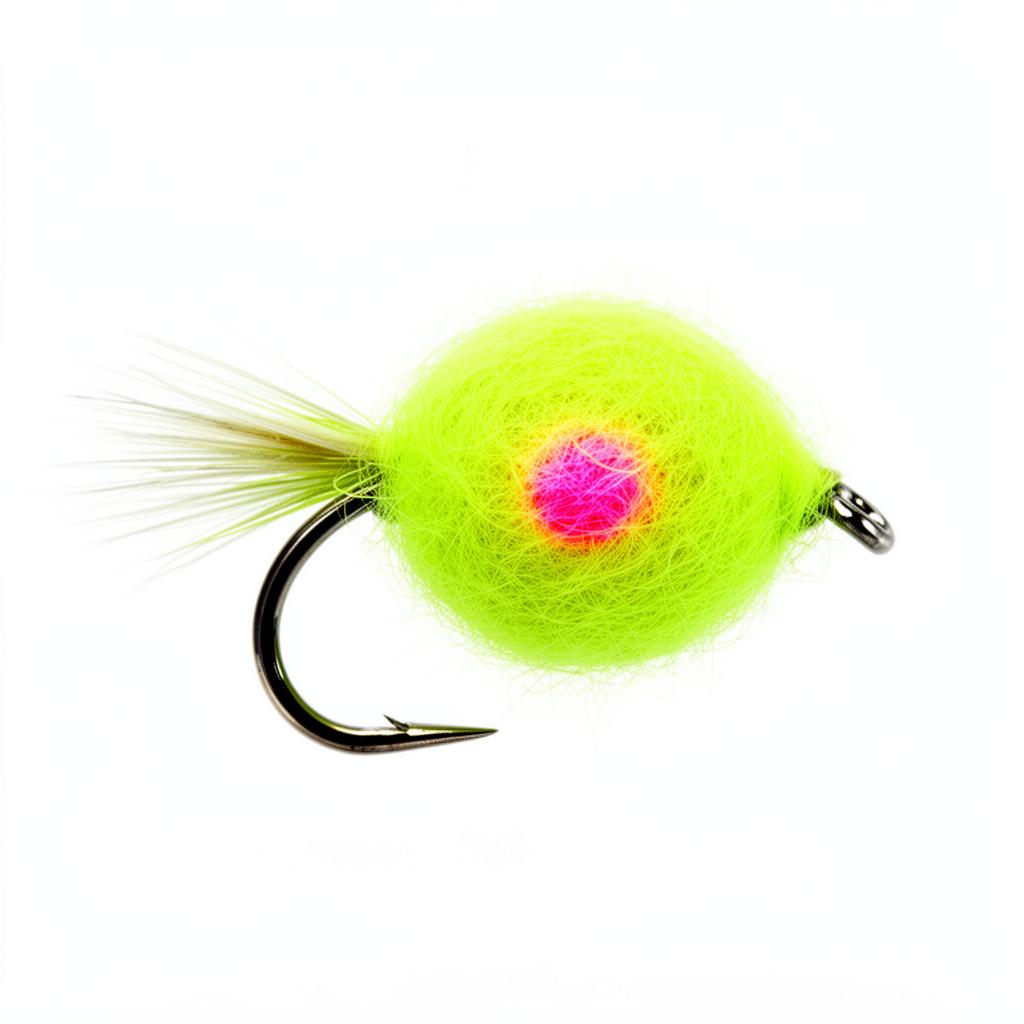
Trout or salmon egg drifting in the current
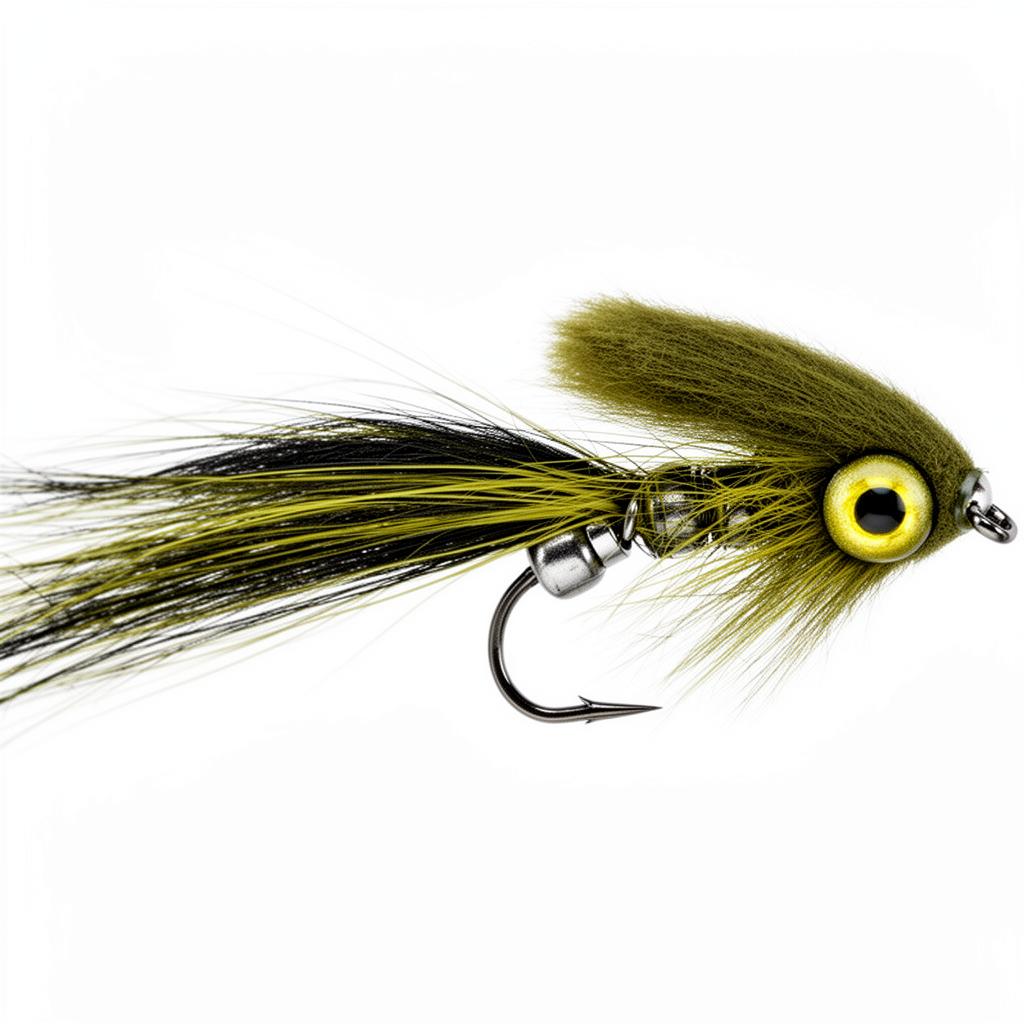
Sculpin (bottom-dwelling baitfish trout eat year-round)
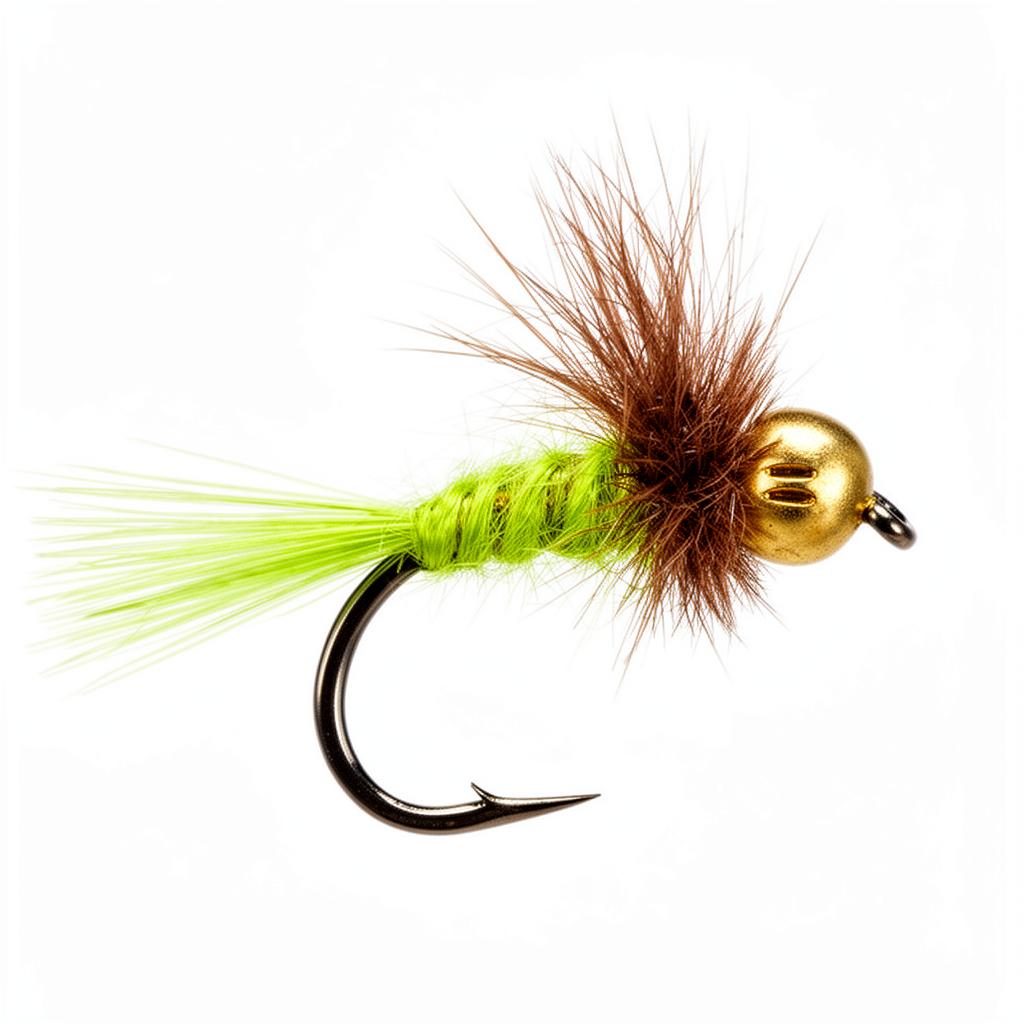
Crane fly larva, hellgrammite, or unidentified juicy thing
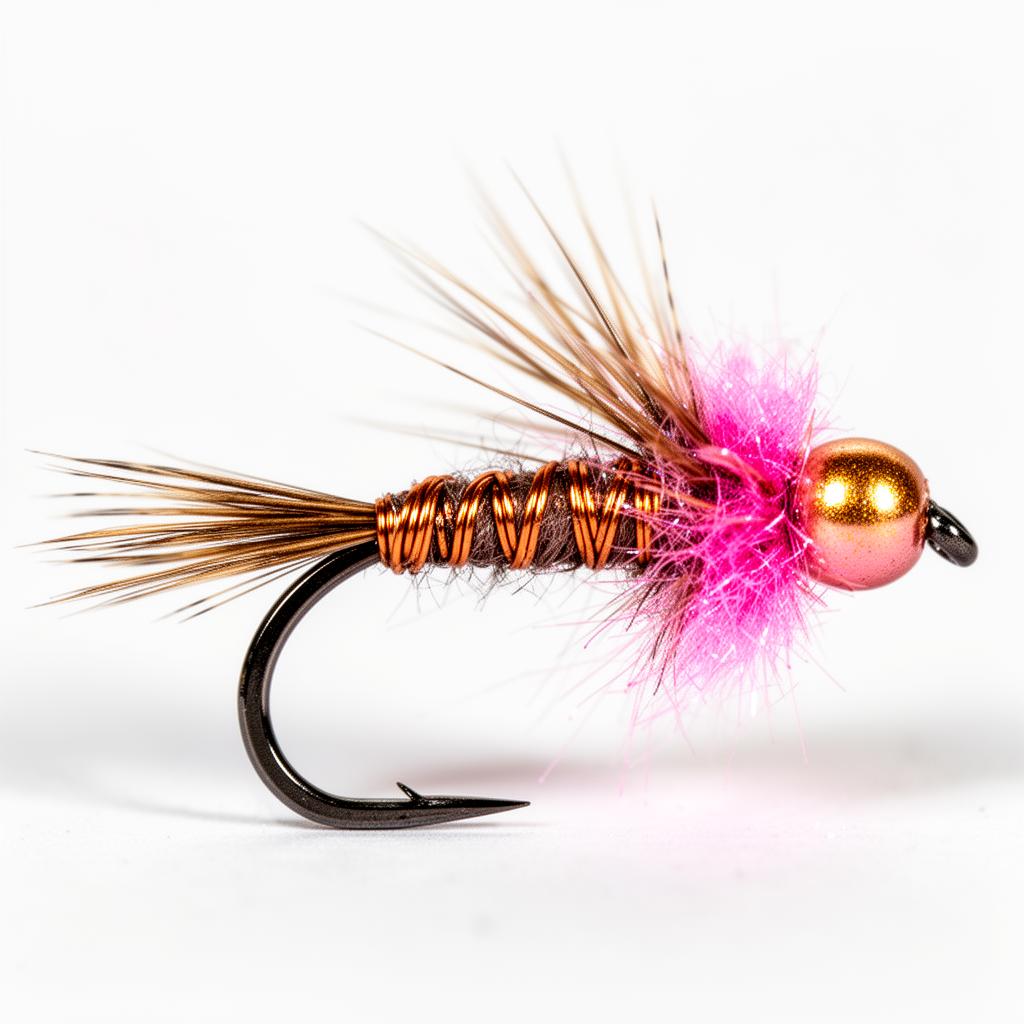
Generic mayfly nymph with a hot-spot trigger
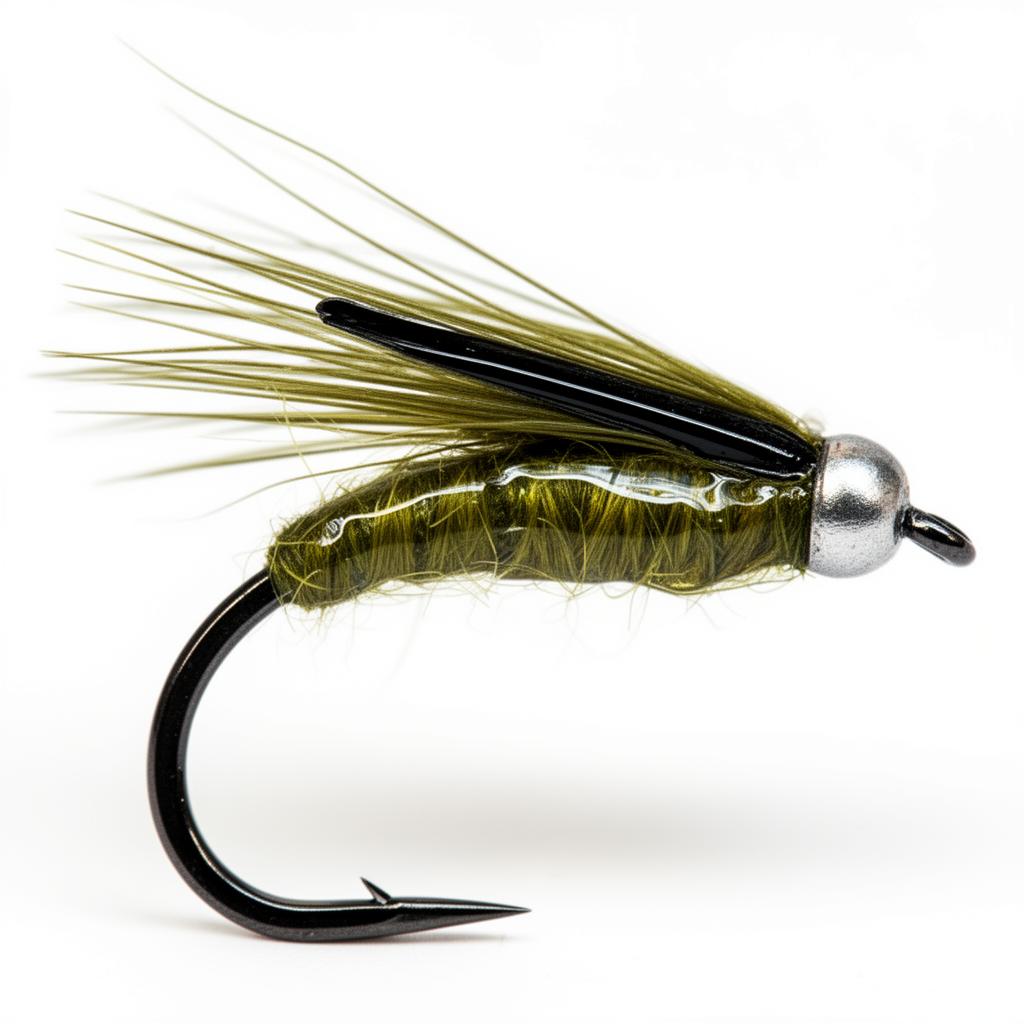
Generic mayfly nymph — slim, sinks like a stone
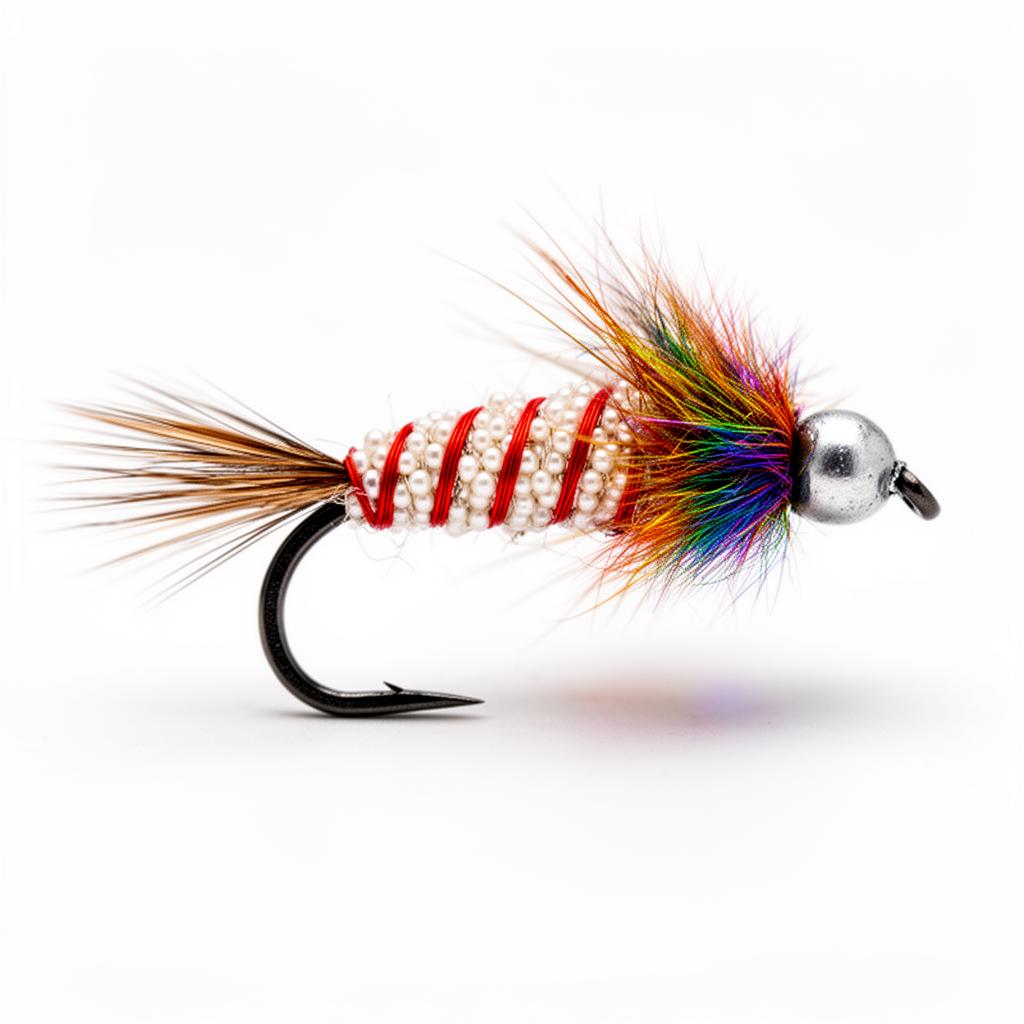
Generic small mayfly nymph (BWO, midge), attractor
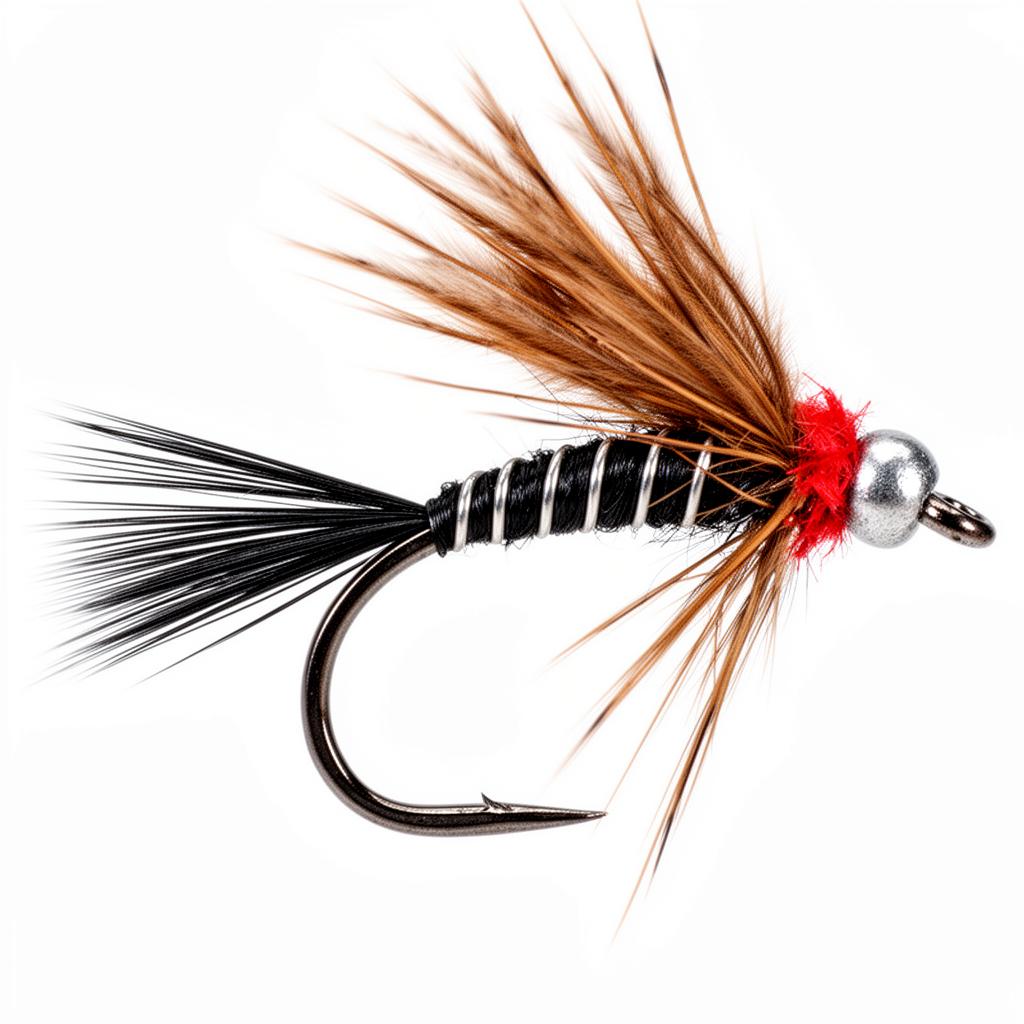
Mayfly nymph or small stonefly with a flashy back
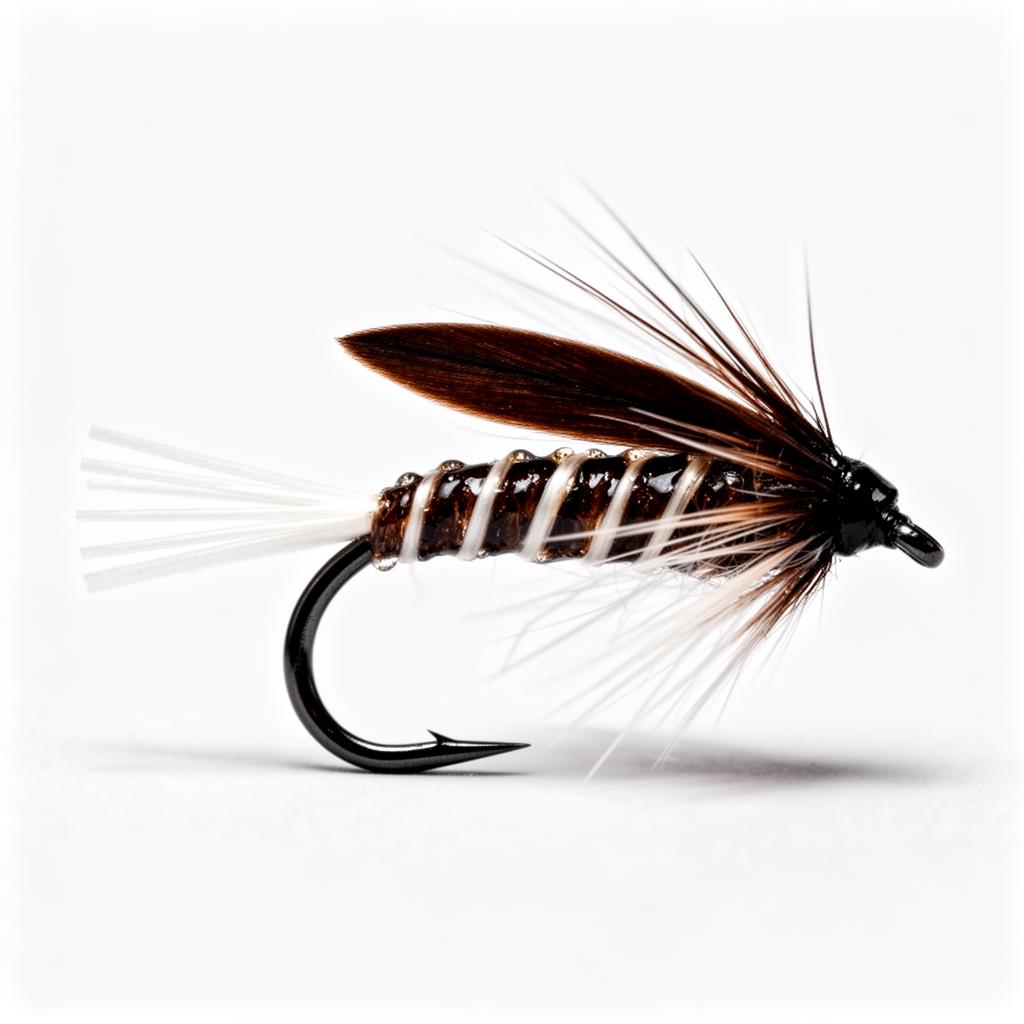
BWO (Baetis) nymph or emerger
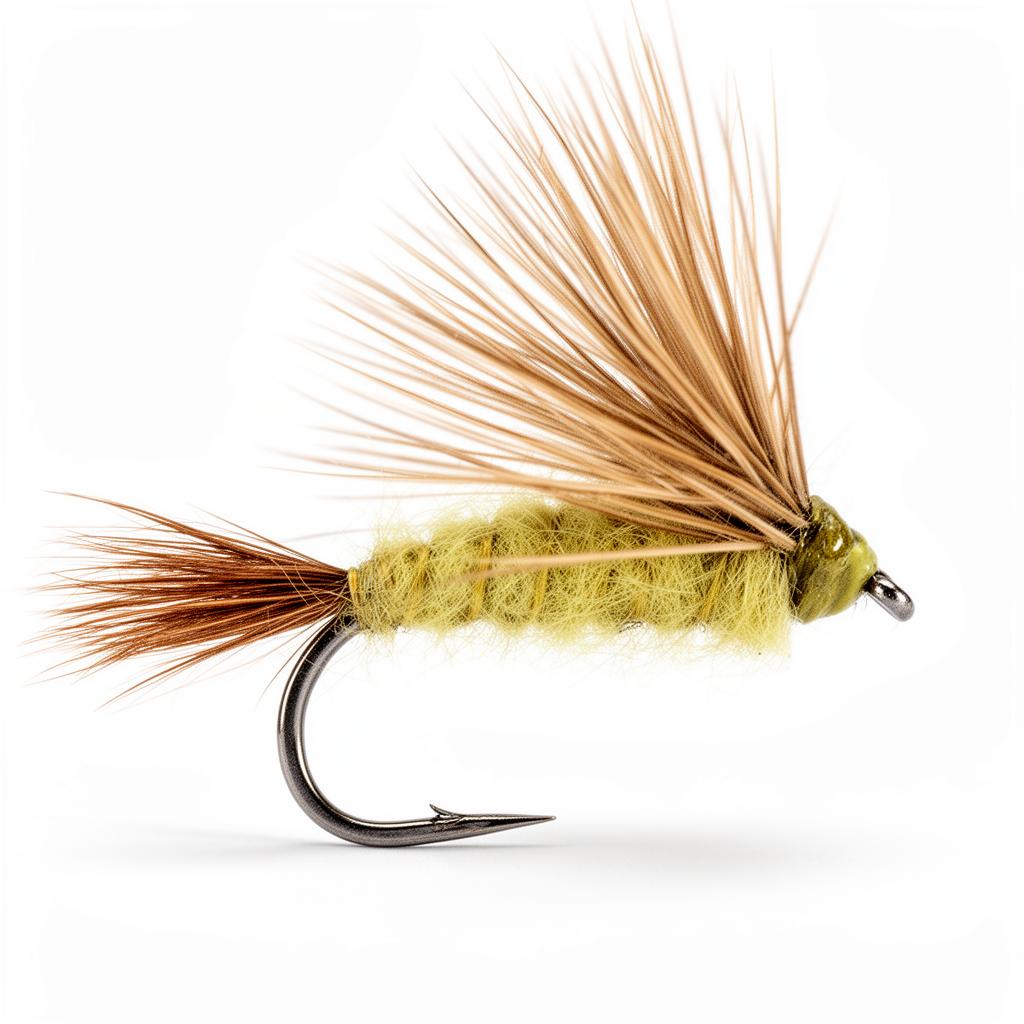
Emerging mayfly dun (BWO, PMD, Callibaetis, Trico)
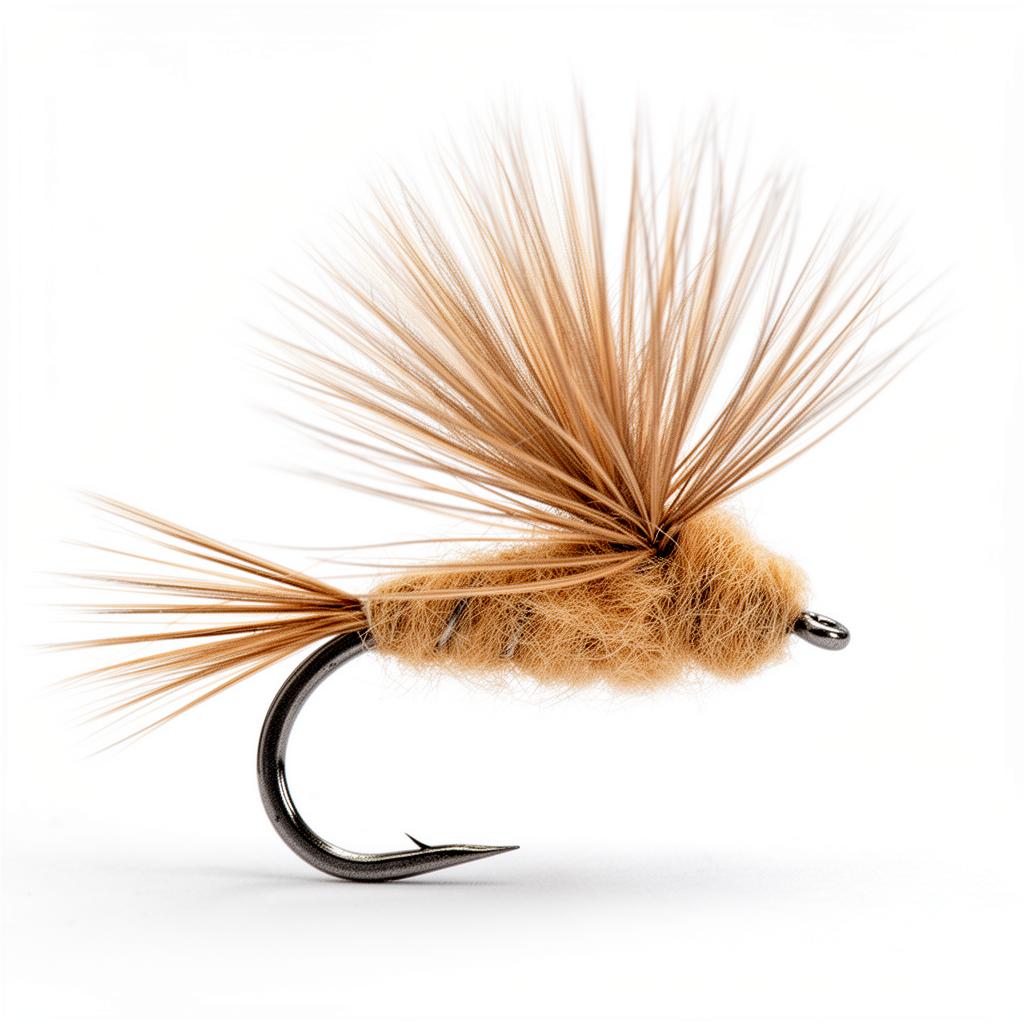
Adult mayfly dun (PMD, BWO, March Brown, Sulphur)
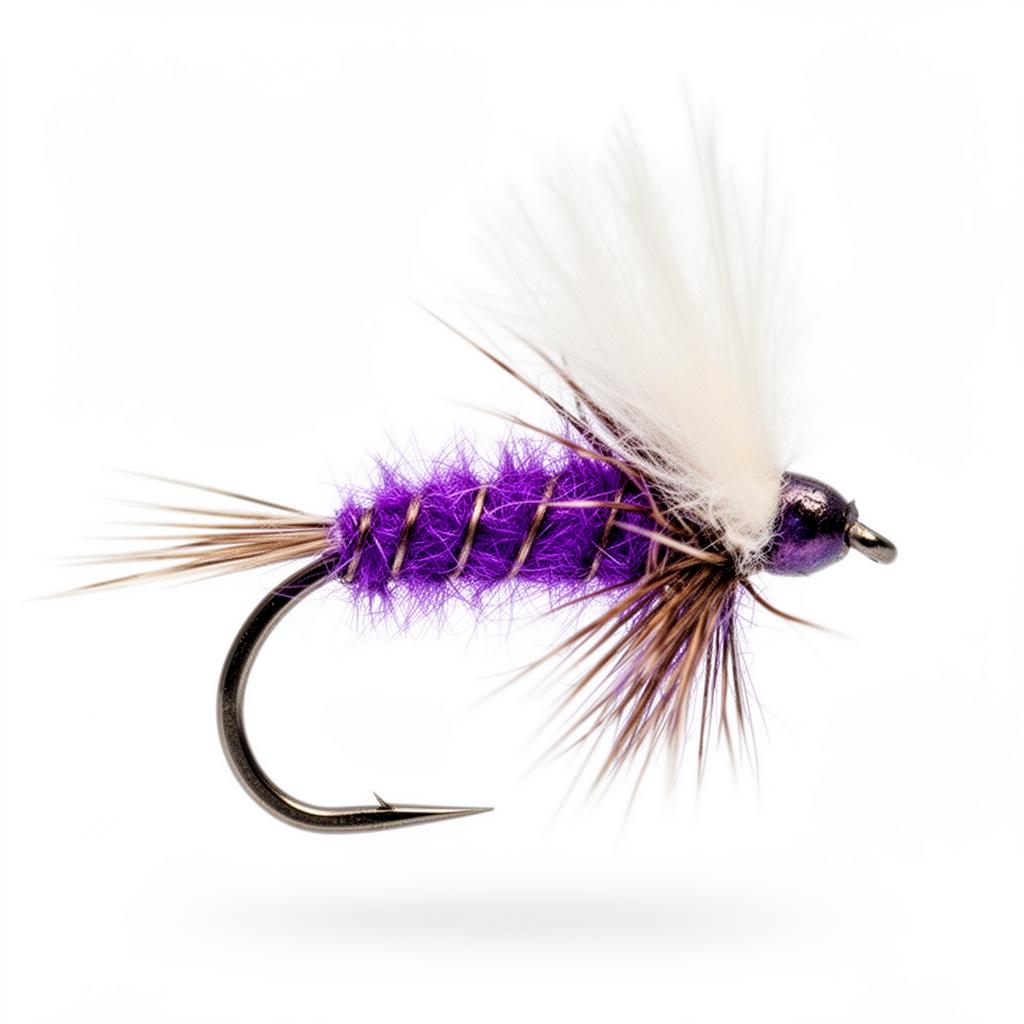
Generic mayfly attractor (Adams variant)
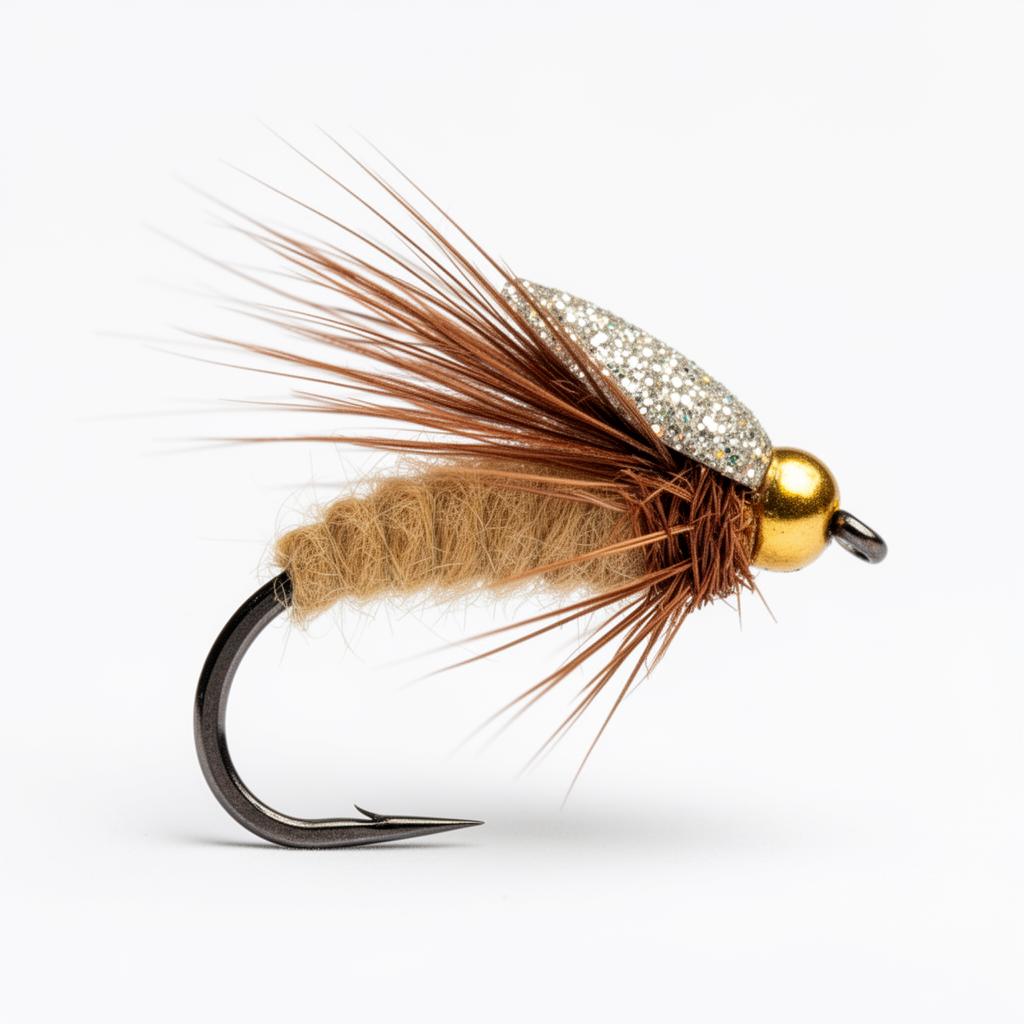
Emerging caddis pupa rising to the surface
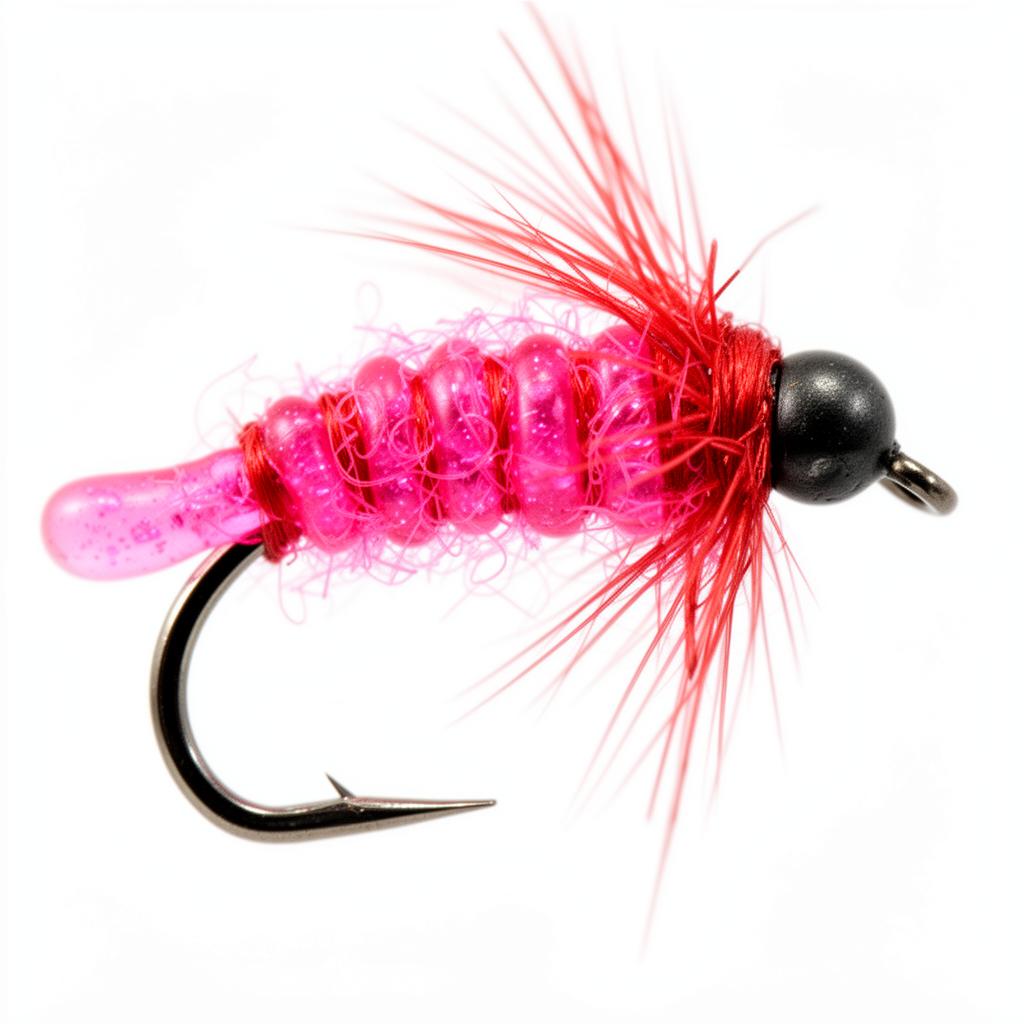
Aquatic worm or earthworm washed into the river
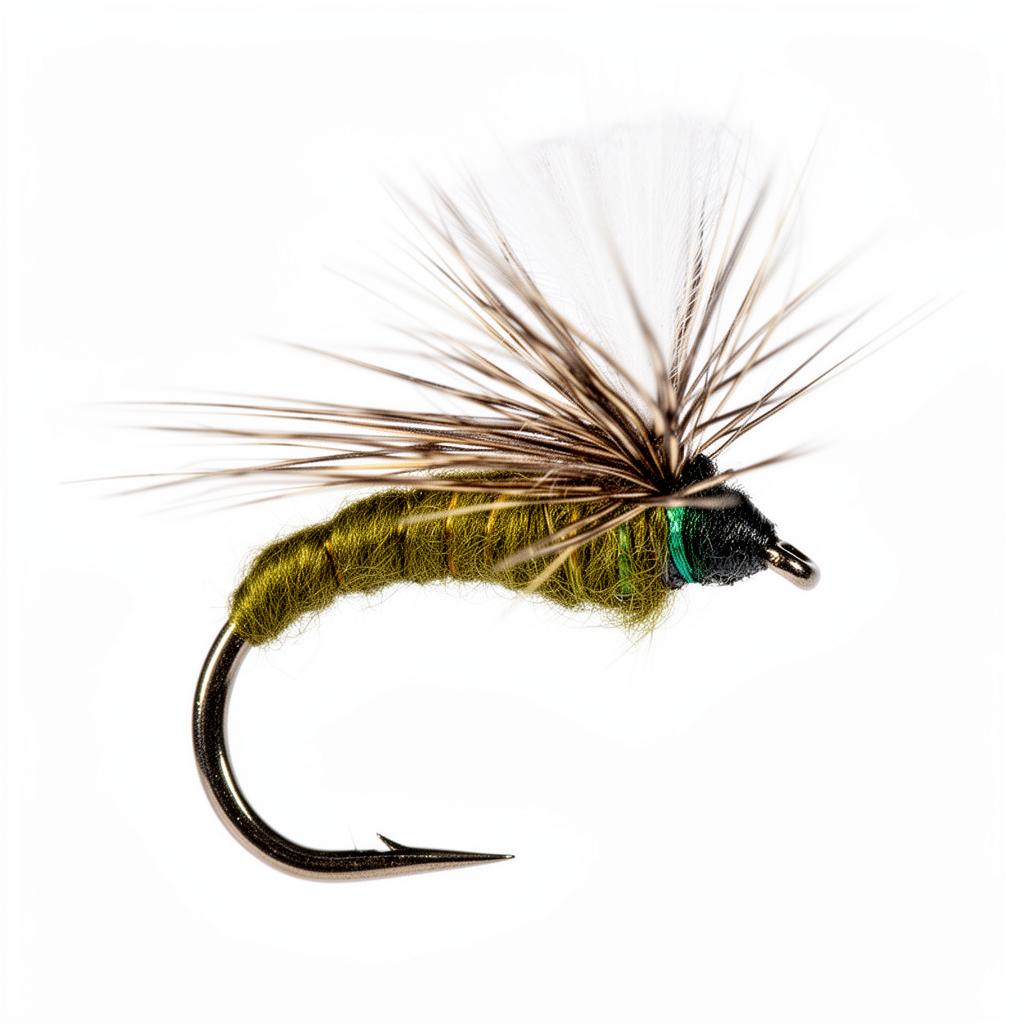
Emerging mayfly or caddis hanging in the surface film
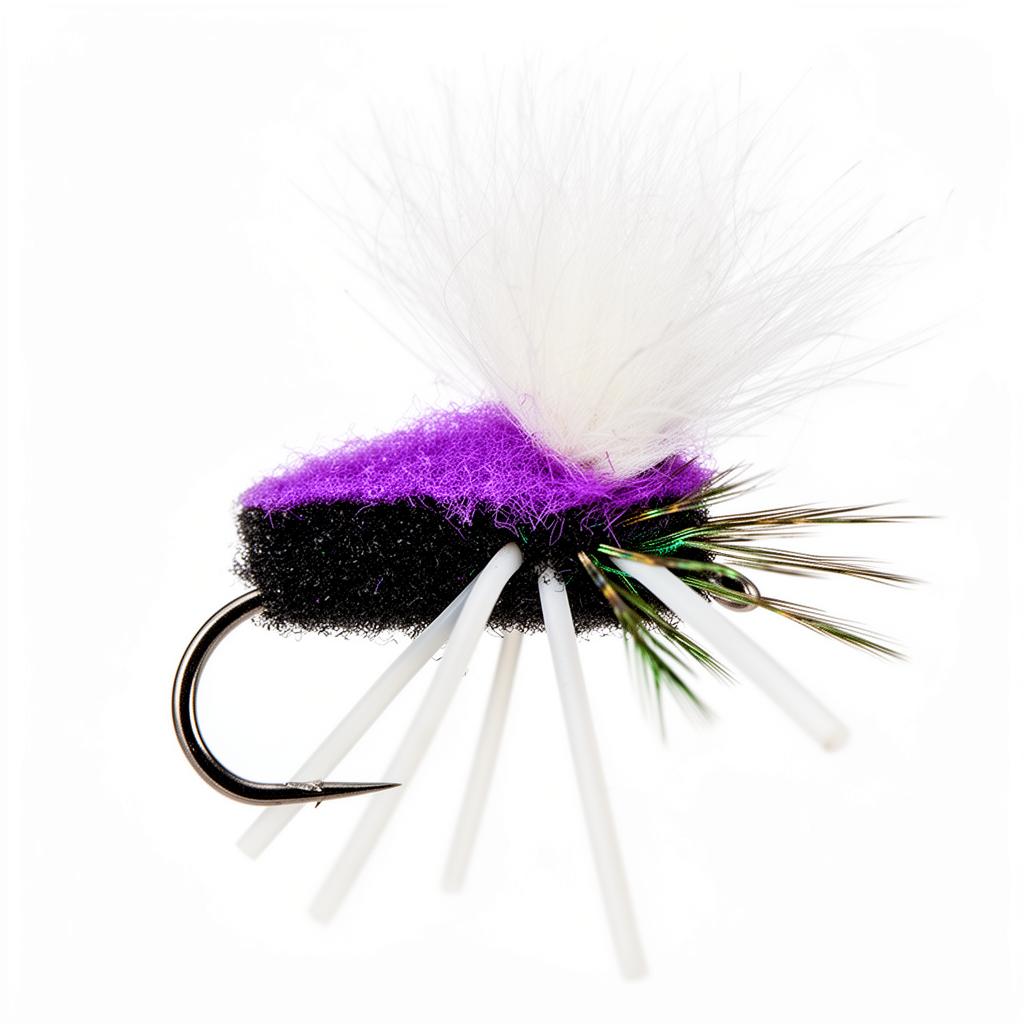
Generic foam attractor — beetle, small hopper, stonefly adult
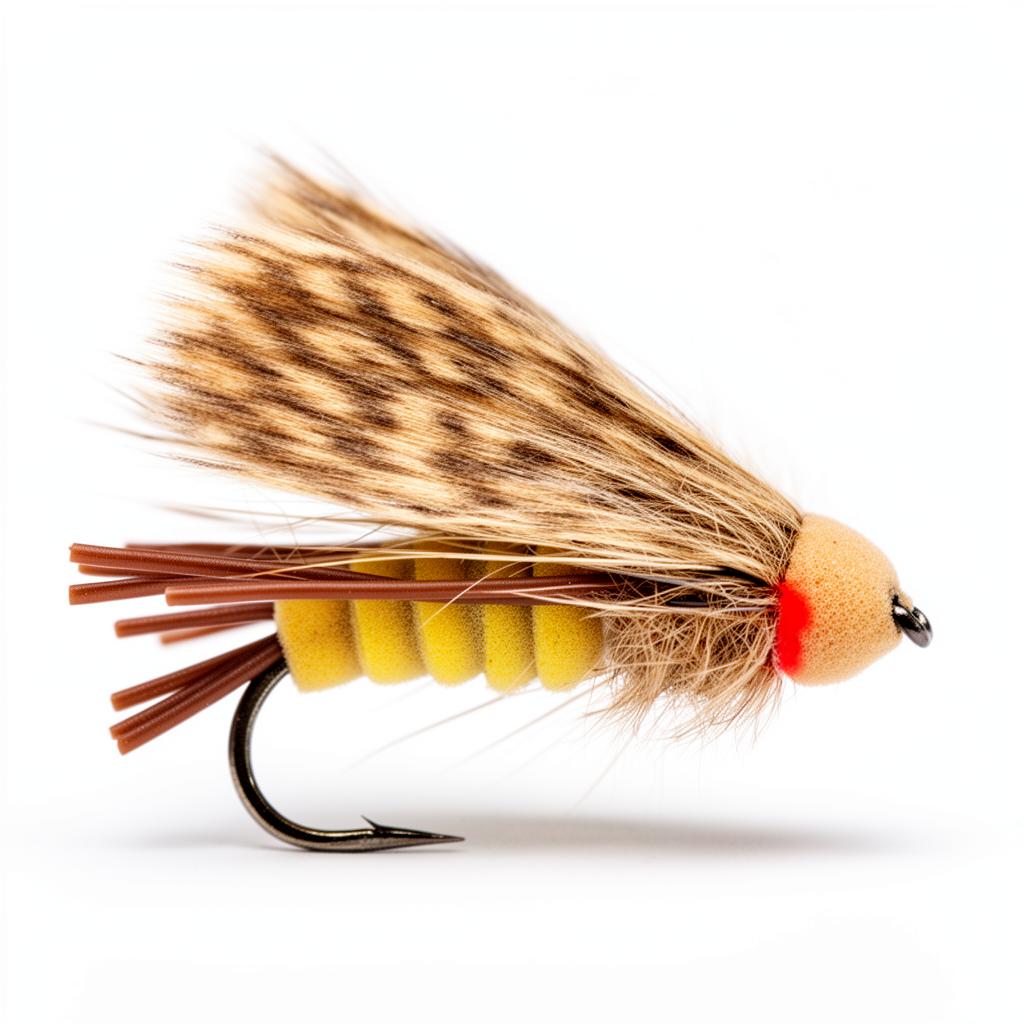
Adult grasshopper
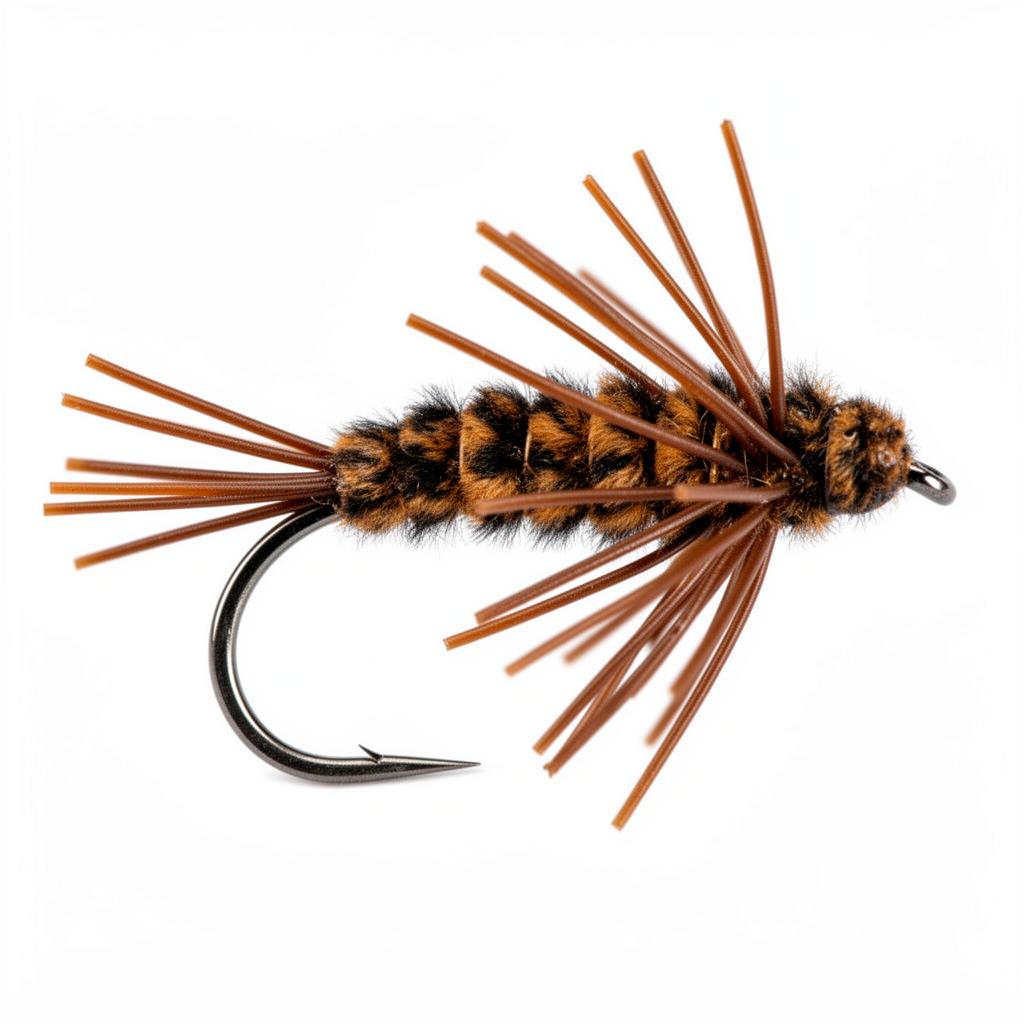
Stonefly nymph (Salmonfly, Golden Stone, Skwala)
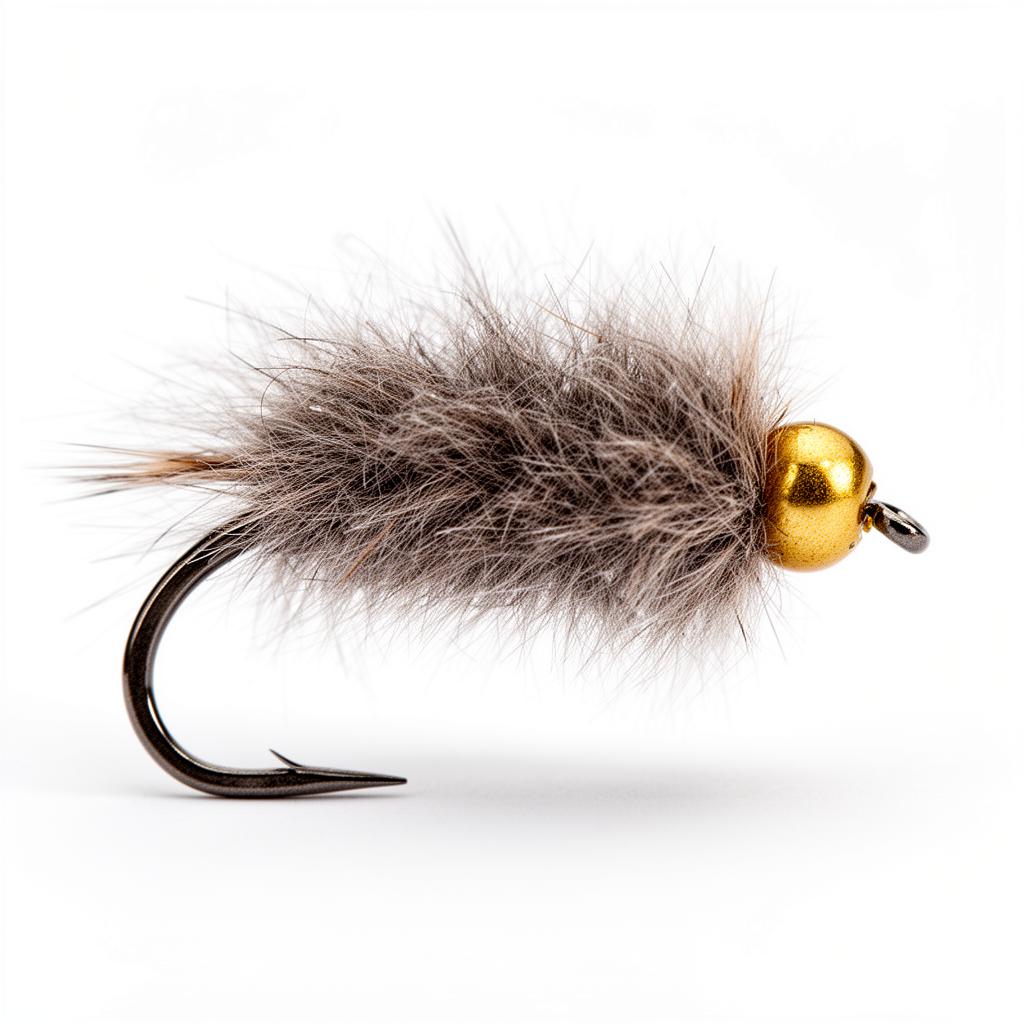
Cranefly larva, caddis larva, generic buggy nymph
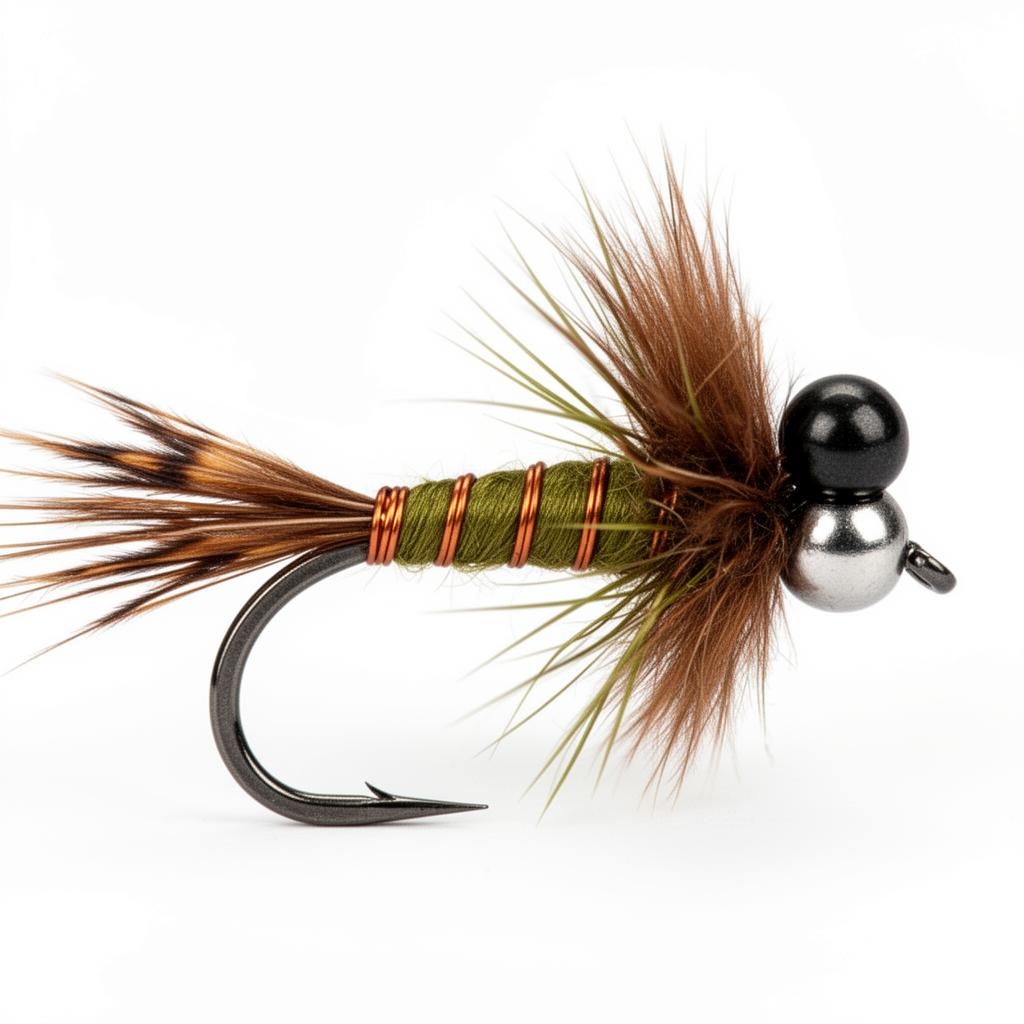
Mayfly nymph with extra weight to get deep fast
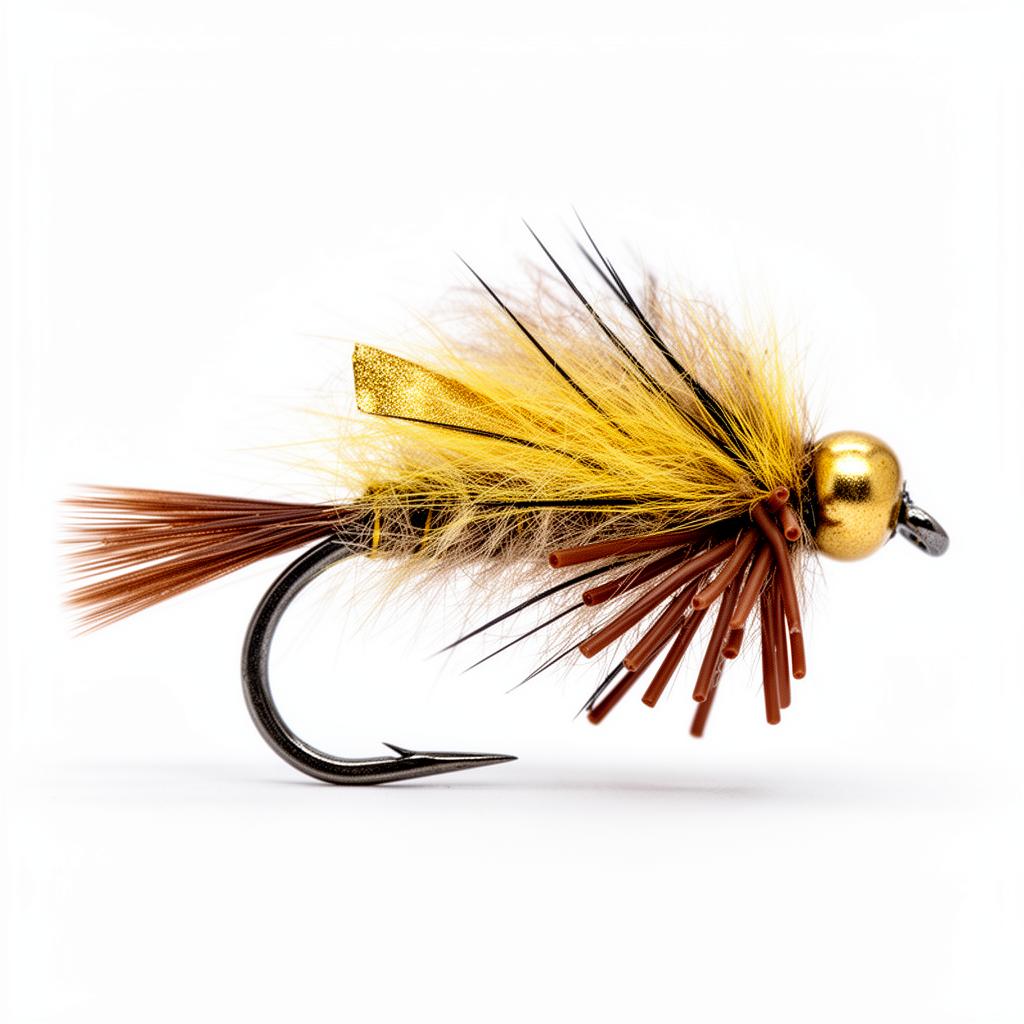
Yellow Sally / Little Yellow Stonefly nymph
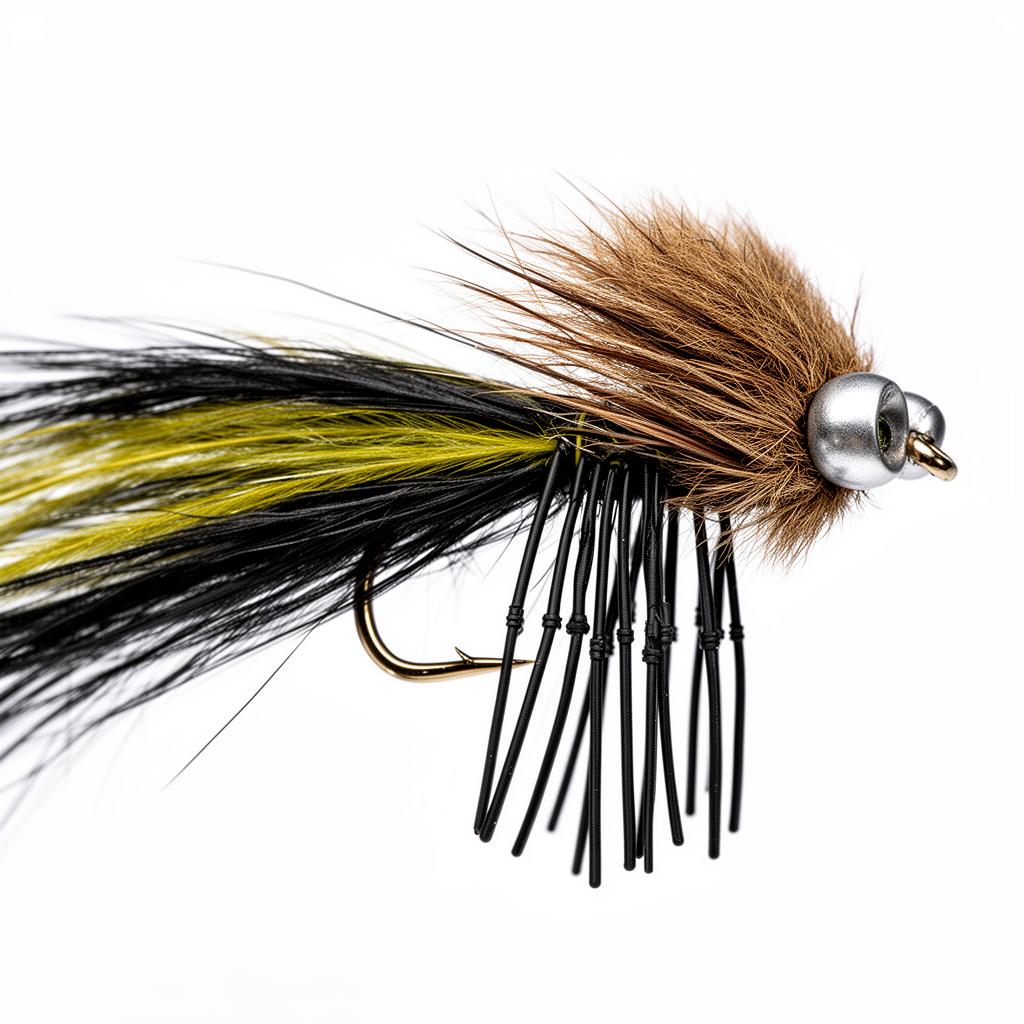
Big baitfish, sculpin, juvenile trout
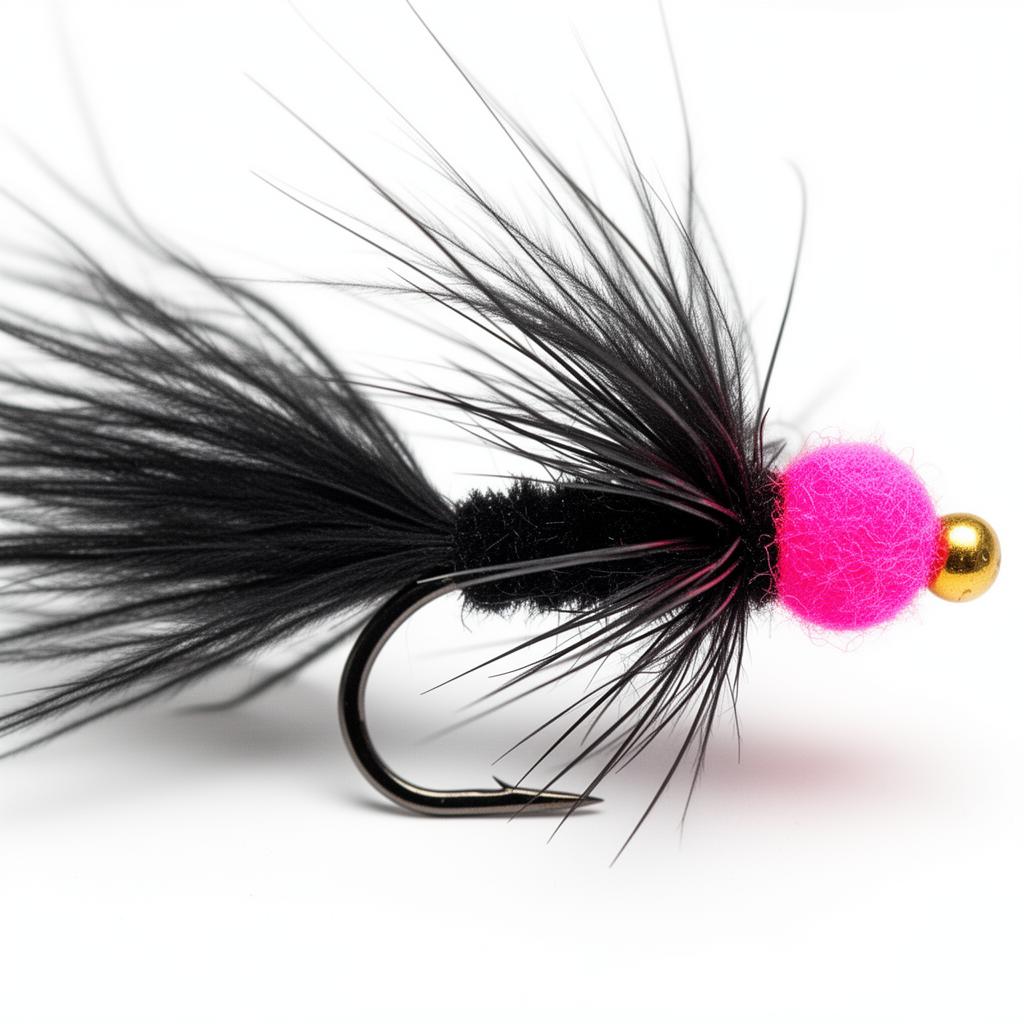
Leech robbing trout/salmon eggs from a redd
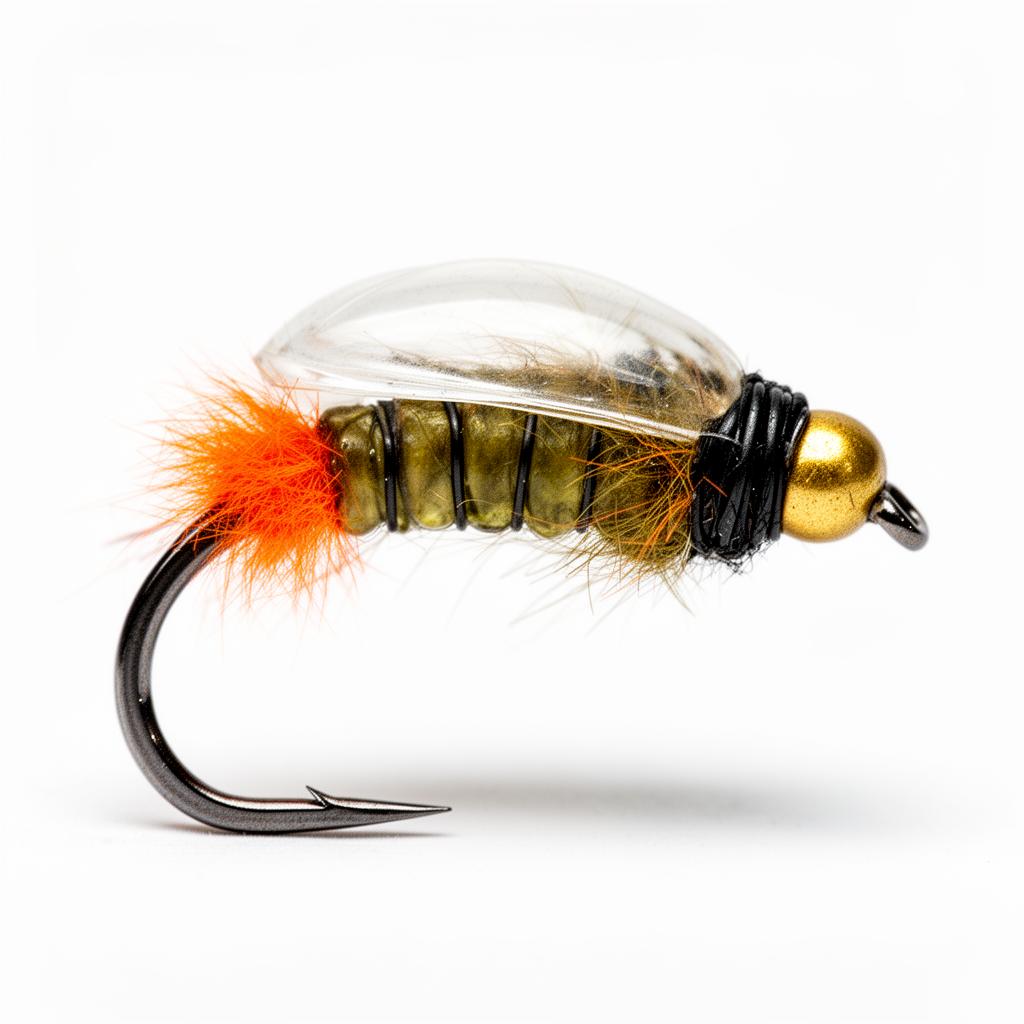
Caddis pupa or scud — heavily weighted
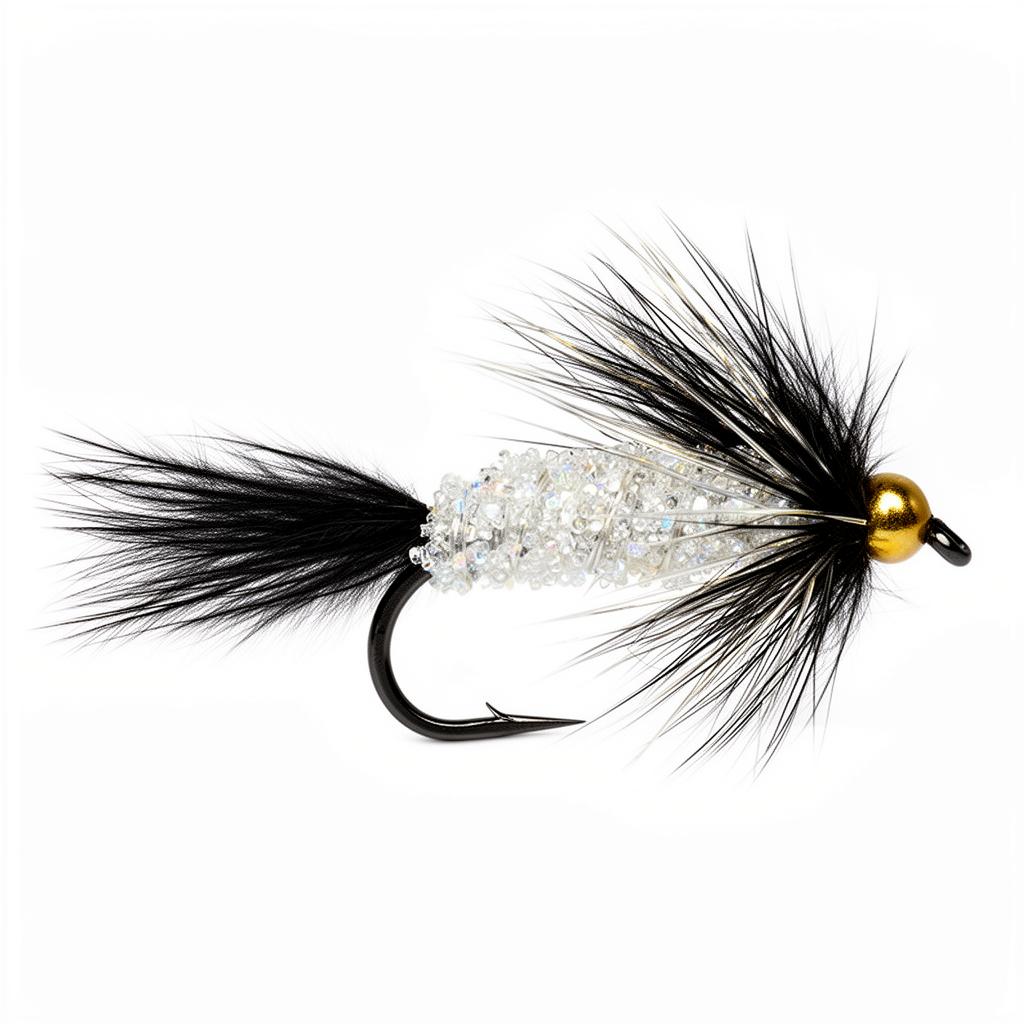
Wounded baitfish, leech, attractor in stained water
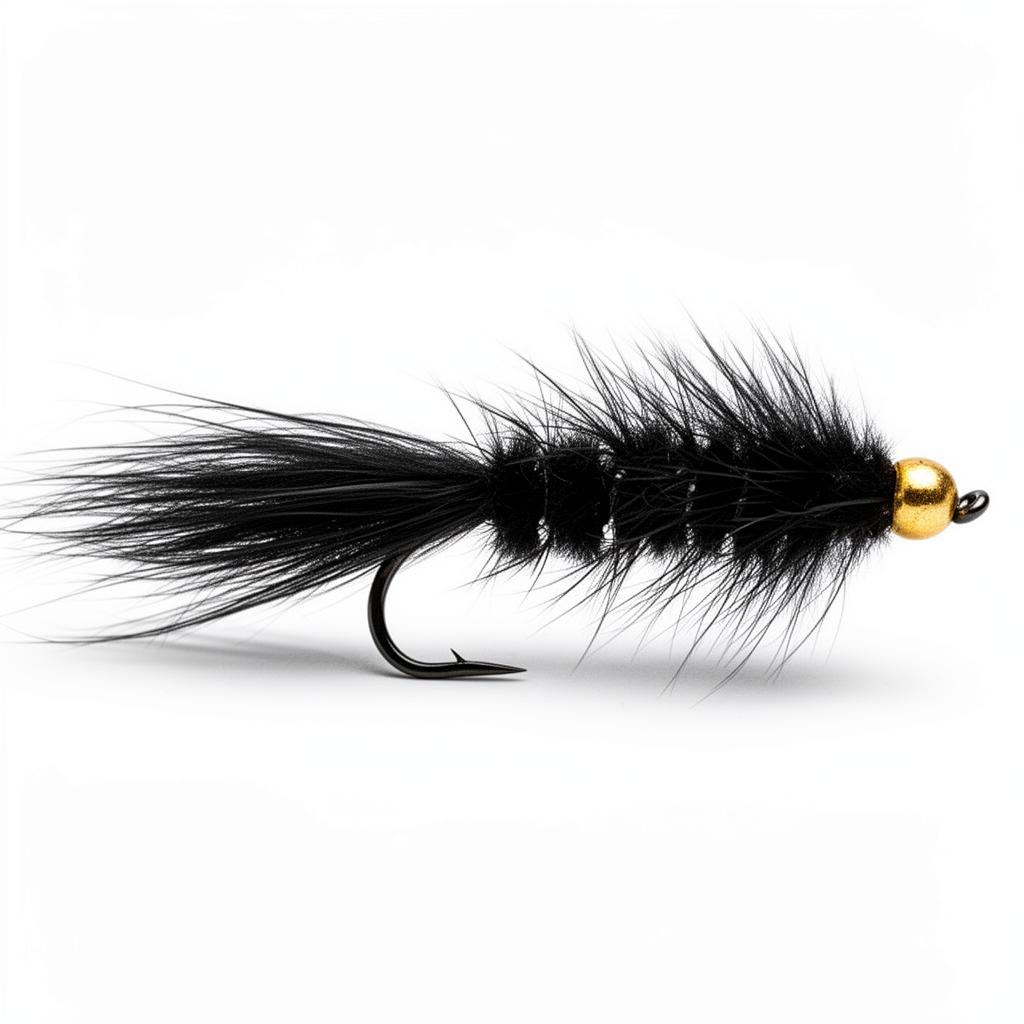
Leech, sculpin, baitfish, large nymph
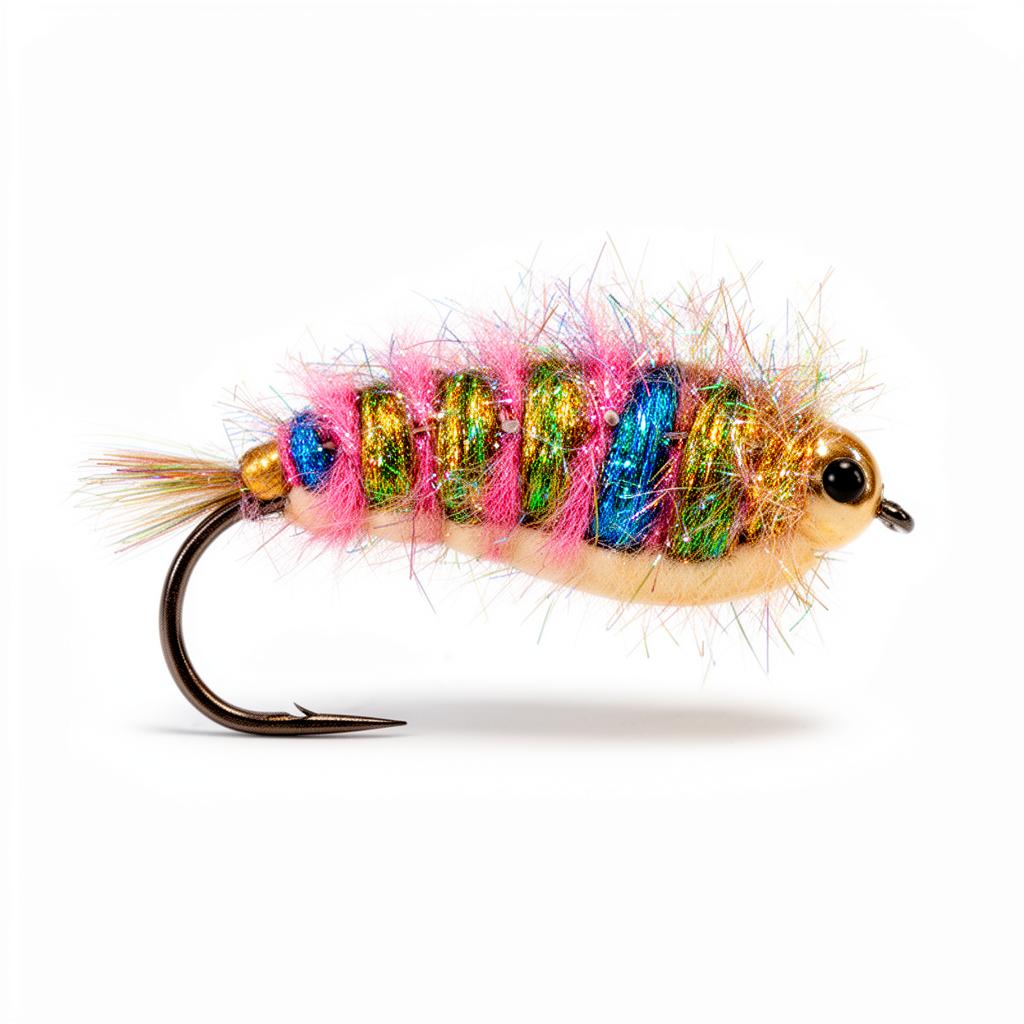
Scud, sow bug, attractor — rainbow flash trigger
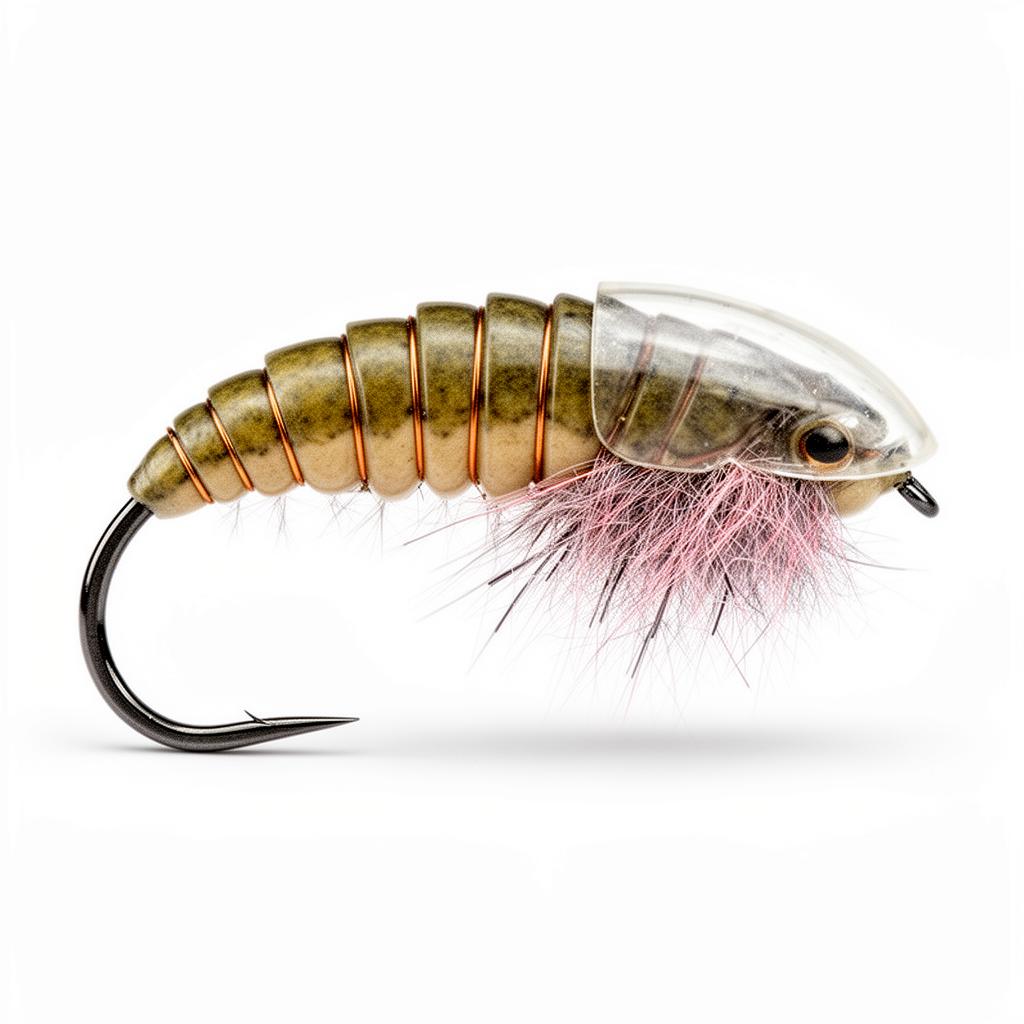
Freshwater scud (Gammarus), sow bug, cress bug
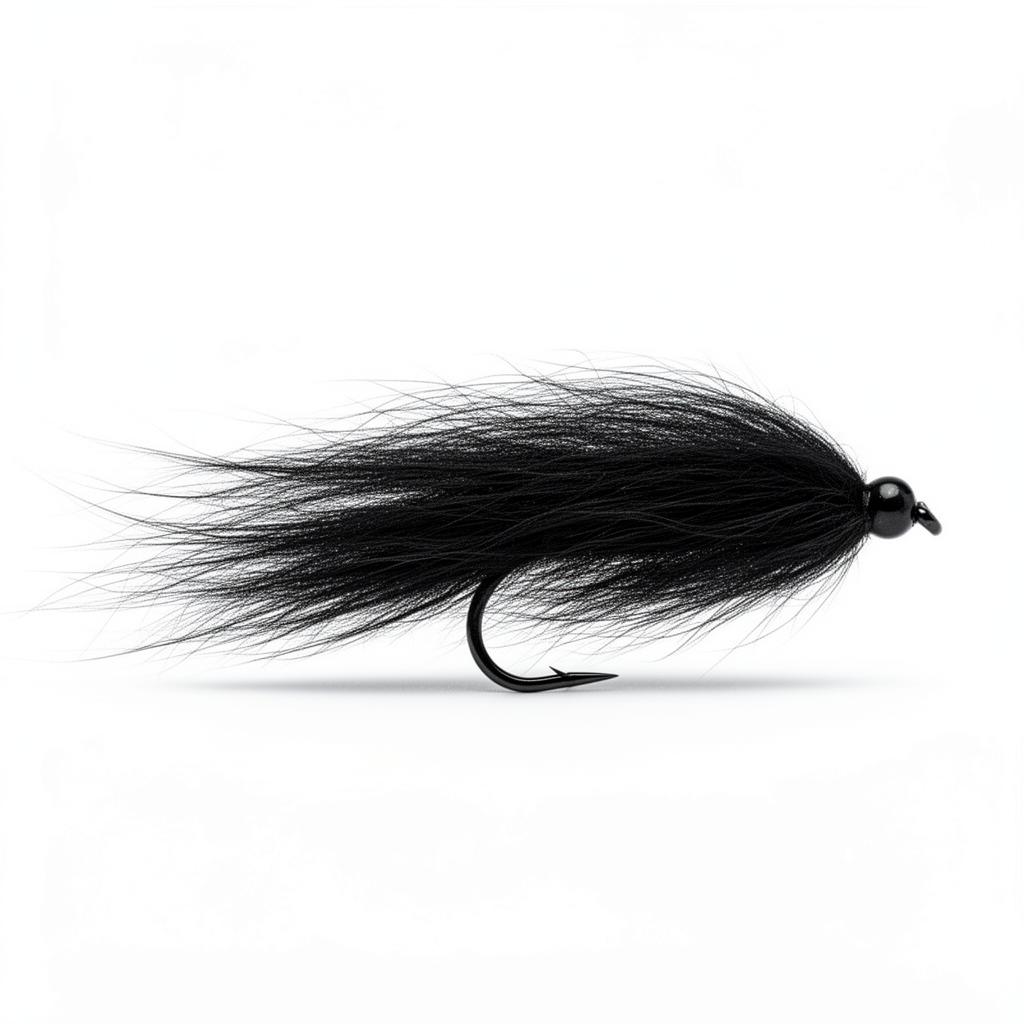
Leech
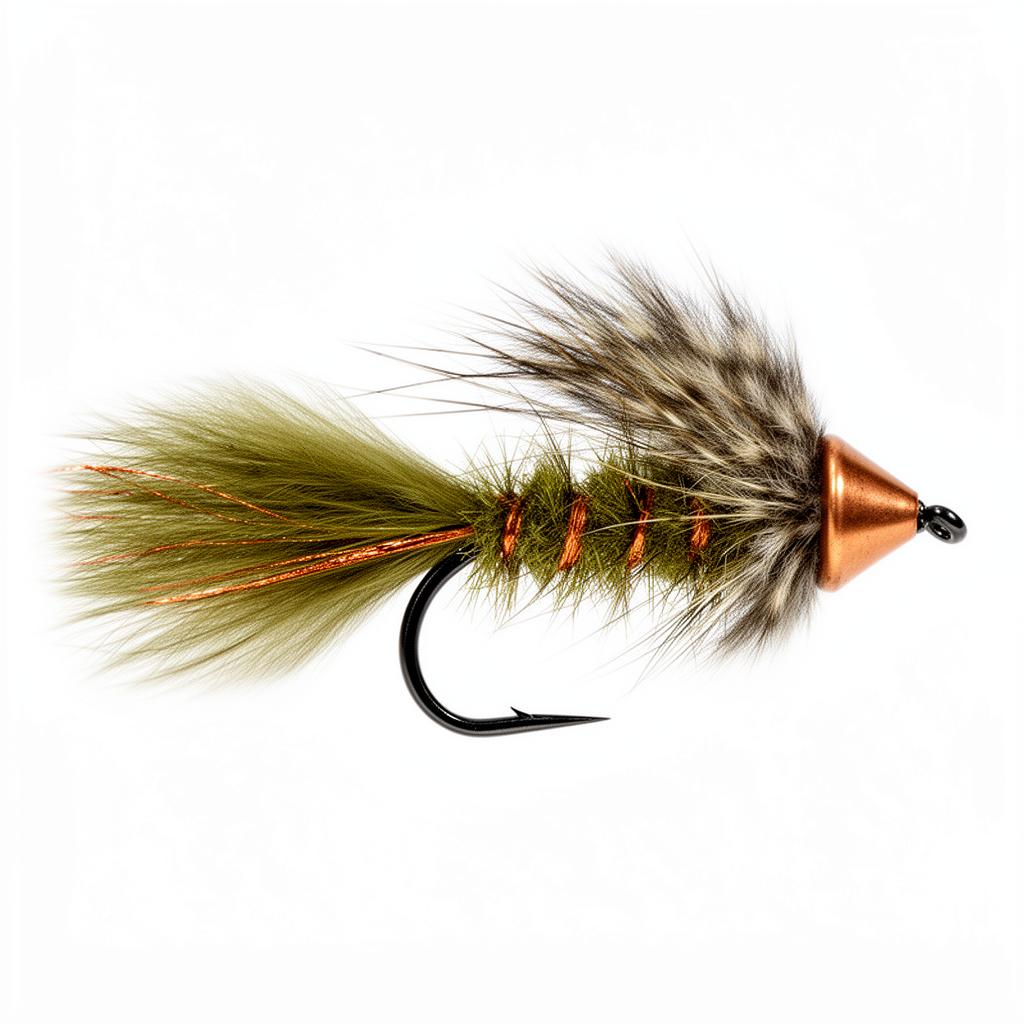
Sculpin, baitfish, large leech — fast-sinking
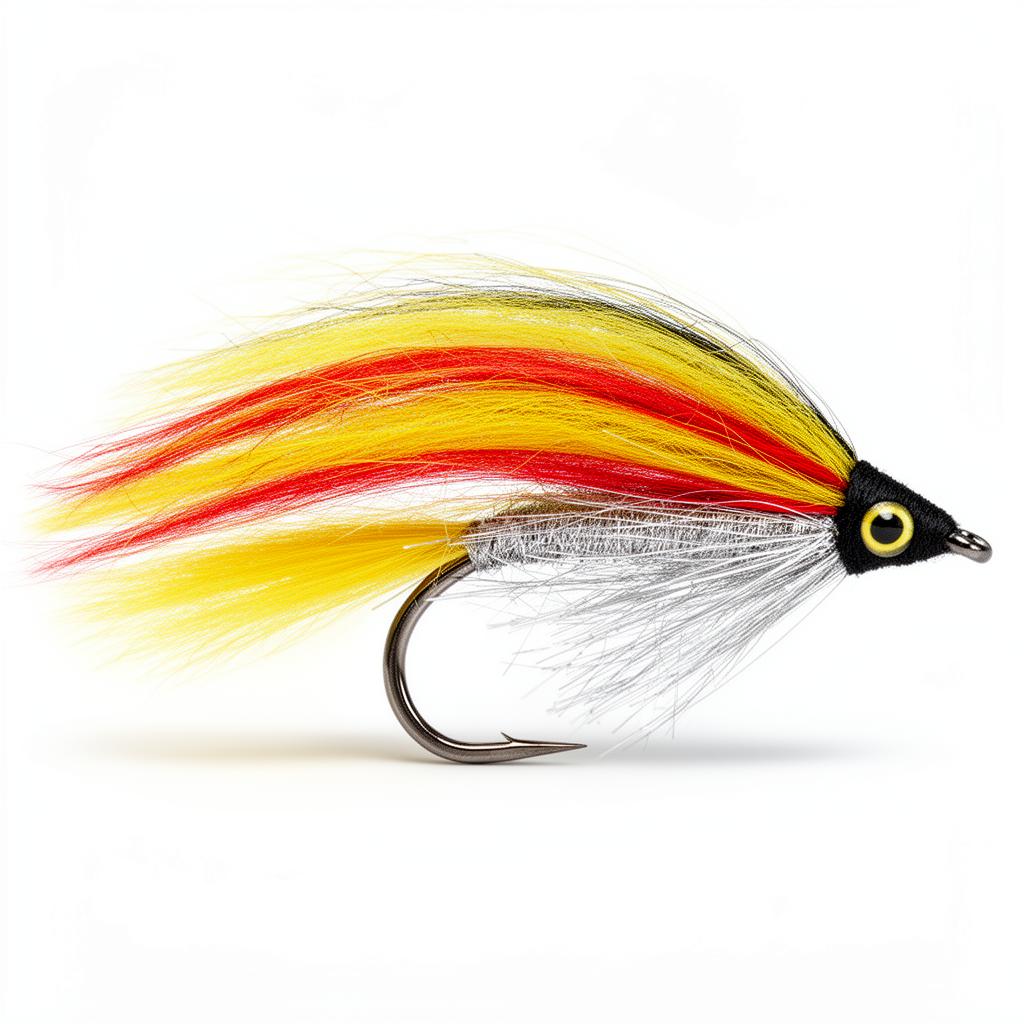
Baitfish — attractor pattern
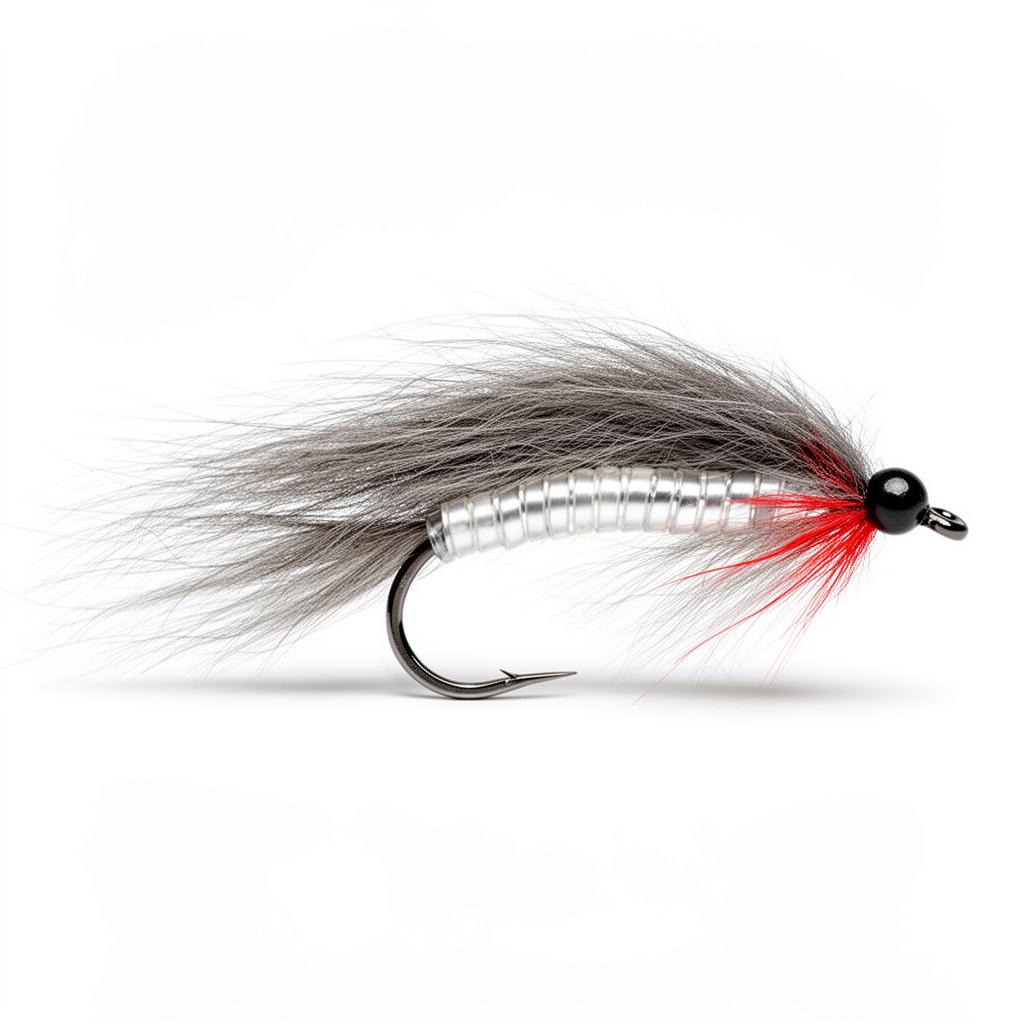
Baitfish — minnow, smelt, juvenile trout
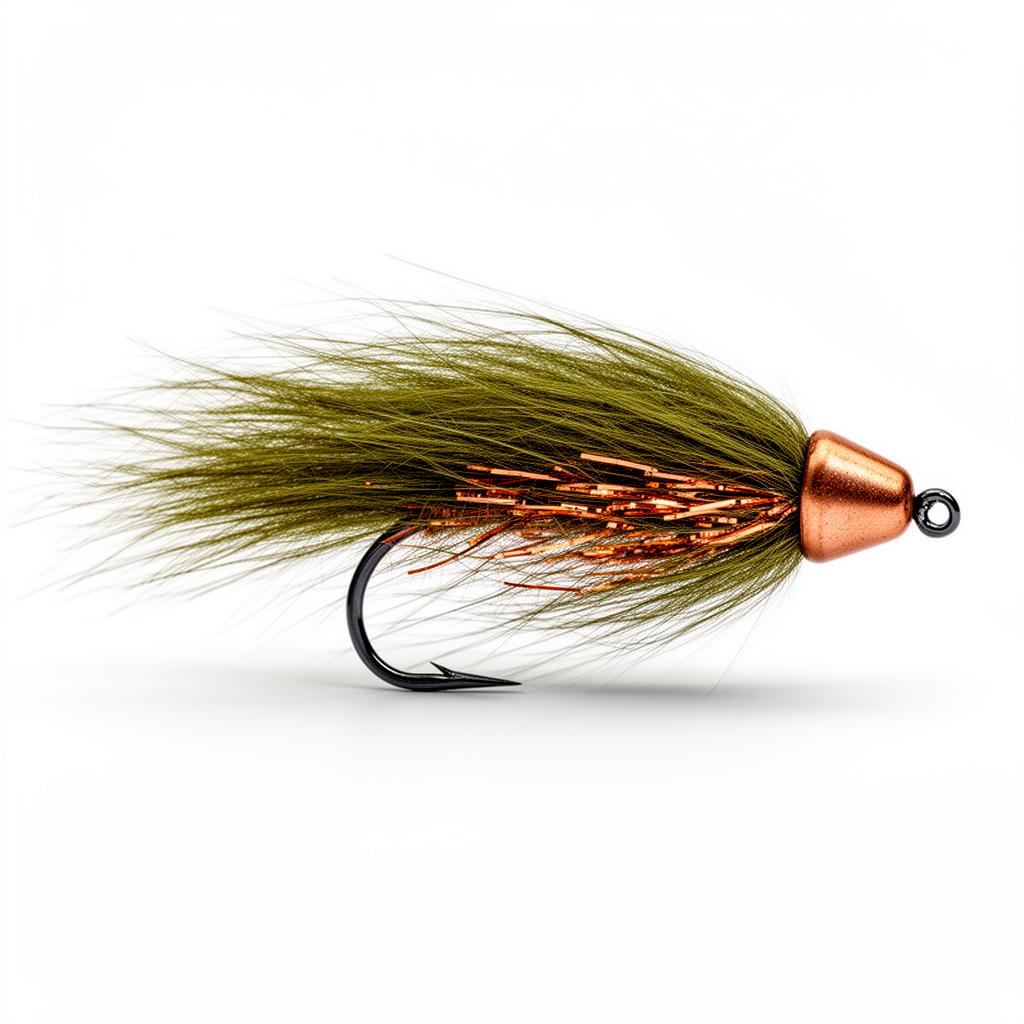
Sculpin, baitfish
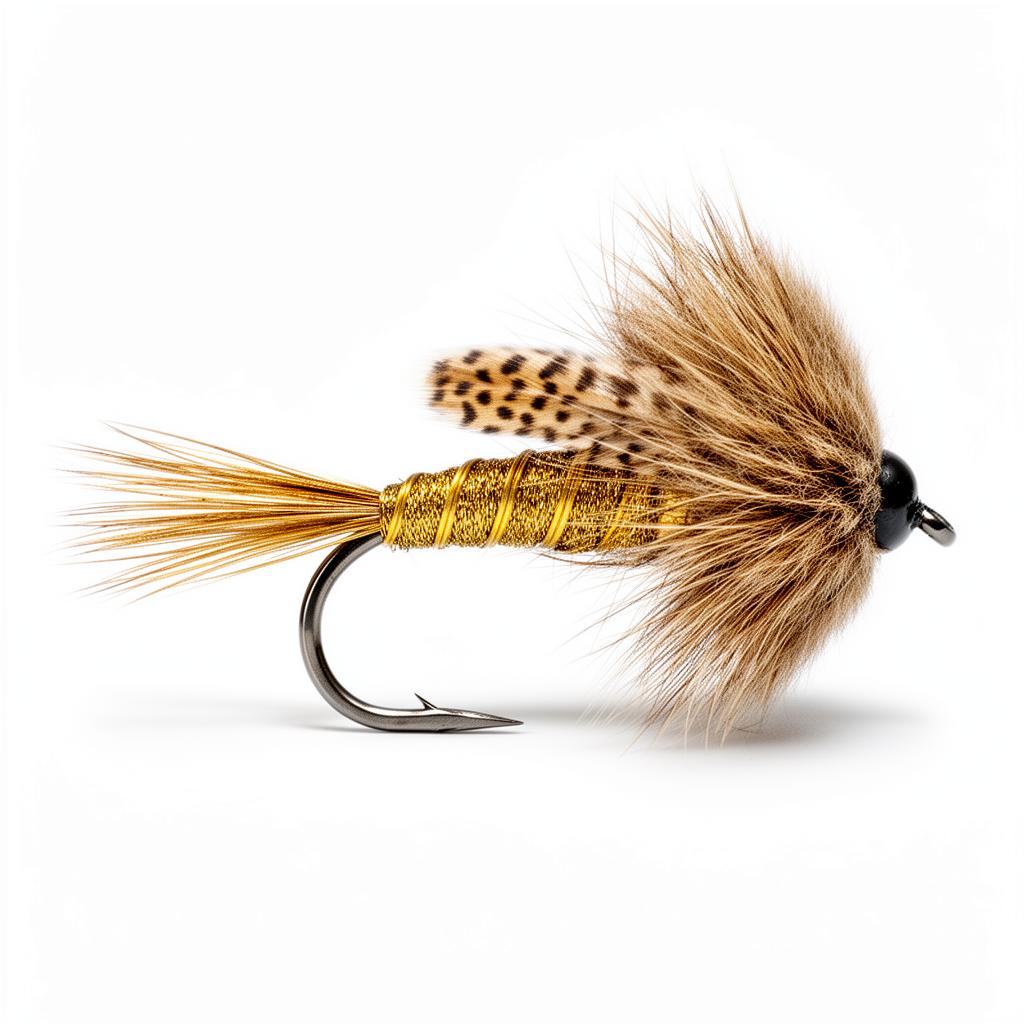
Sculpin, grasshopper, minnow
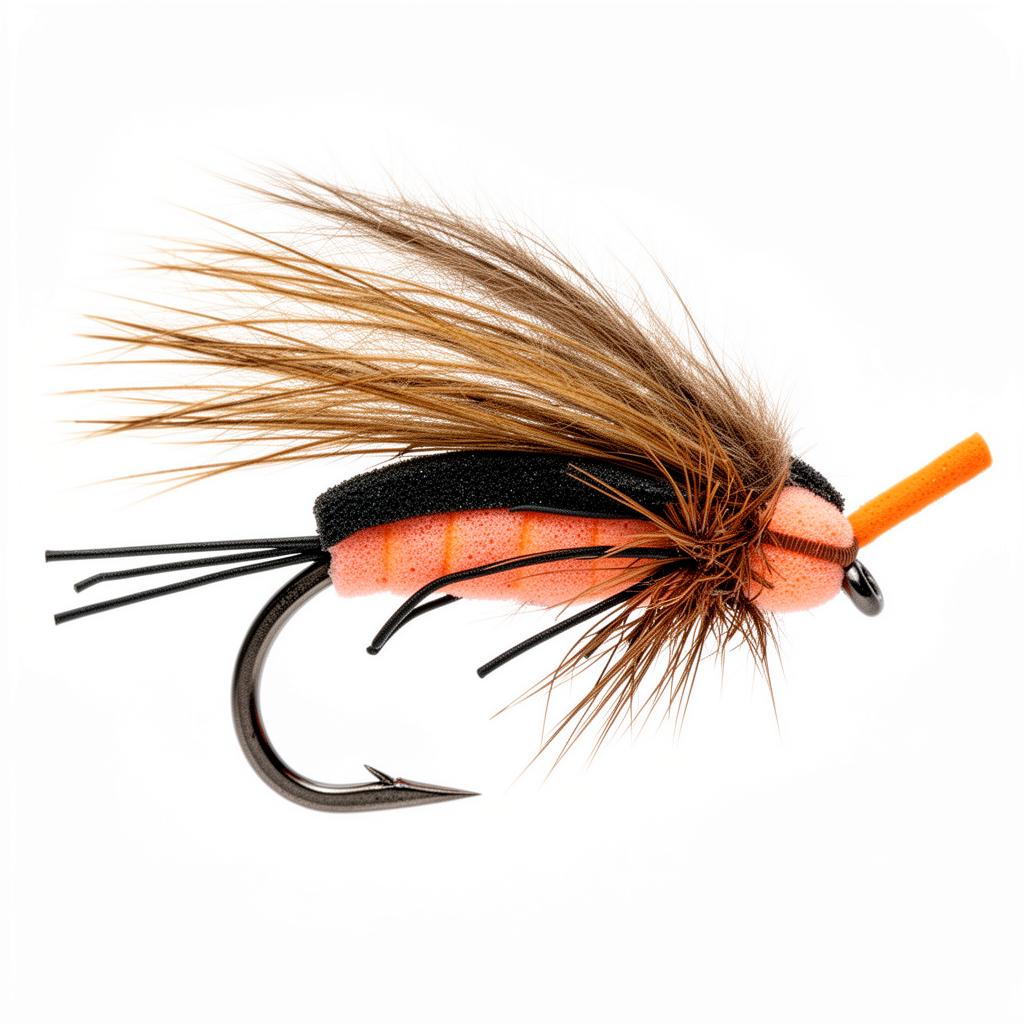
Adult Pteronarcys californica (giant Western salmonfly)
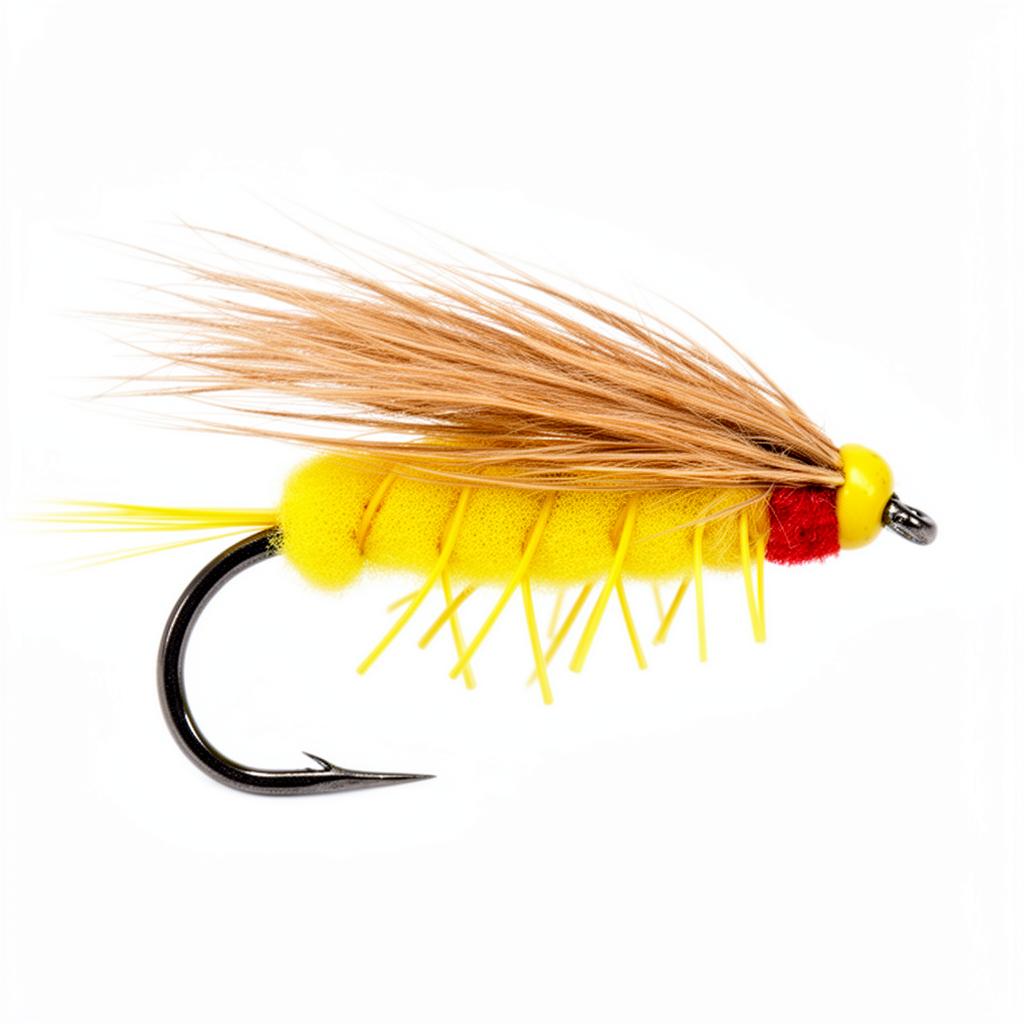
Adult Isoperla / Little Yellow Stonefly
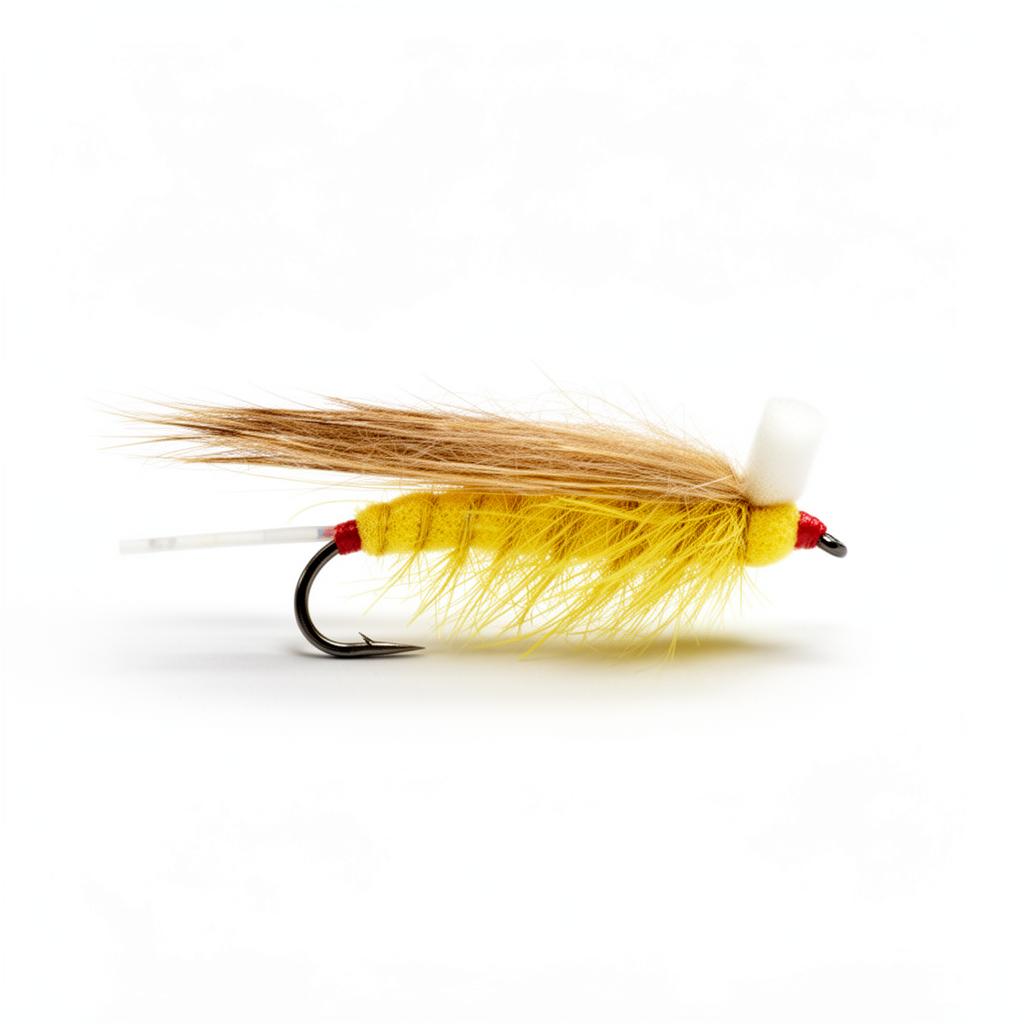
Yellow stonefly nymph (Isoperla) before emergence
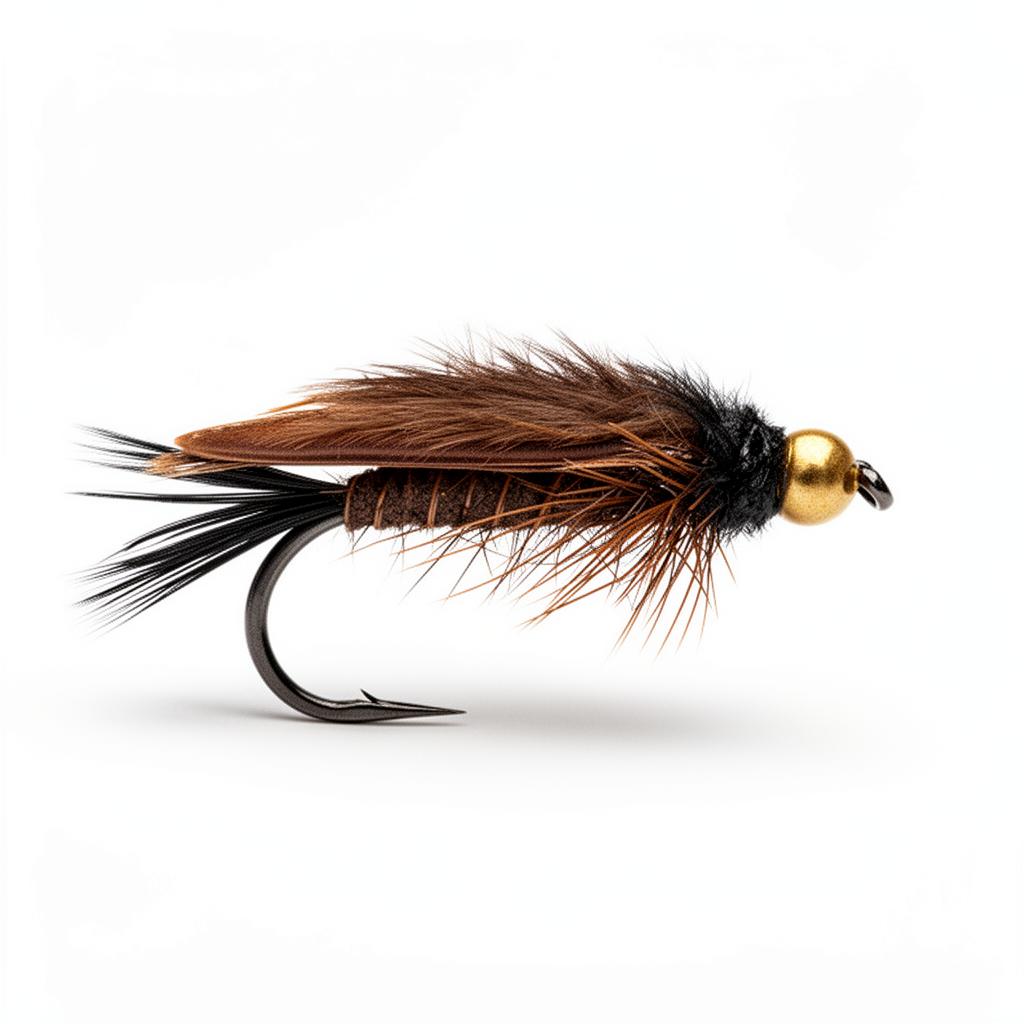
Black stonefly nymph (Pteronarcys, Acroneuria)
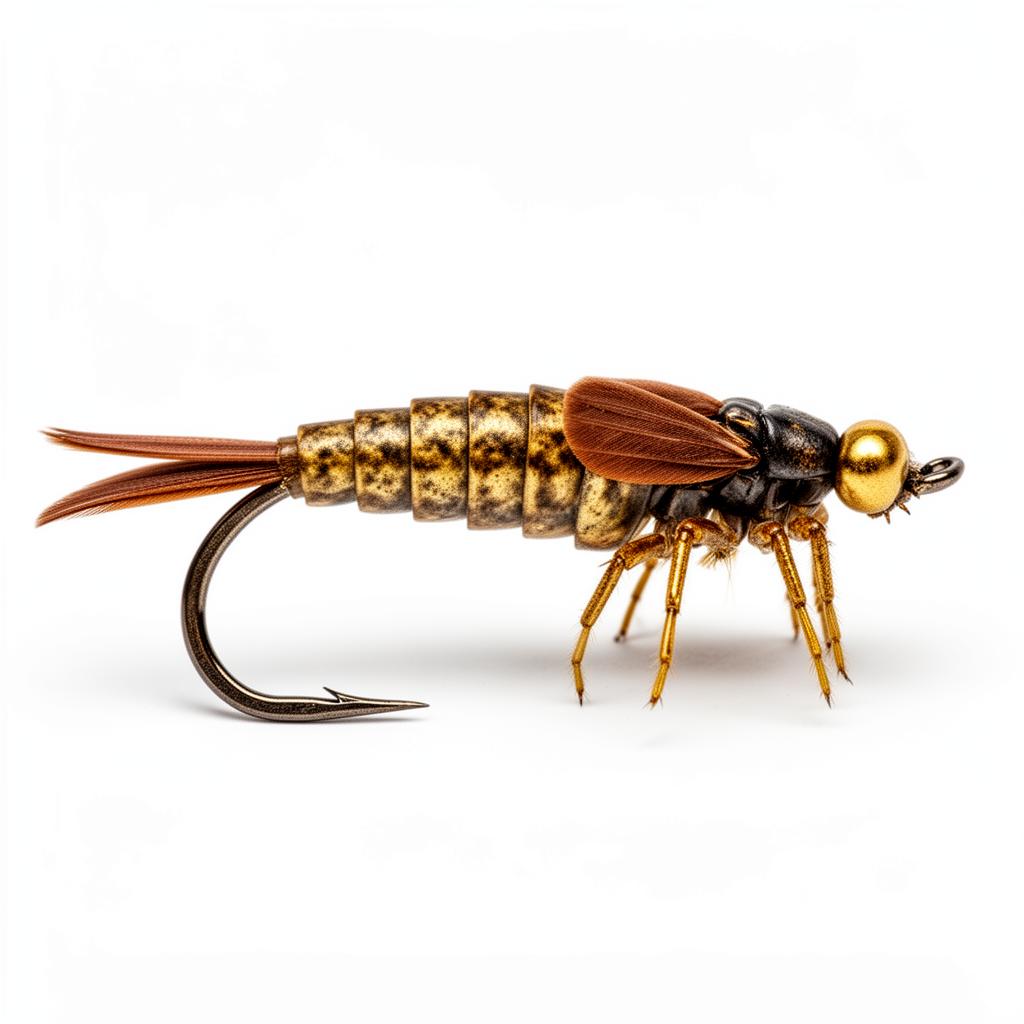
Golden stonefly nymph (Acroneuria, Hesperoperla)
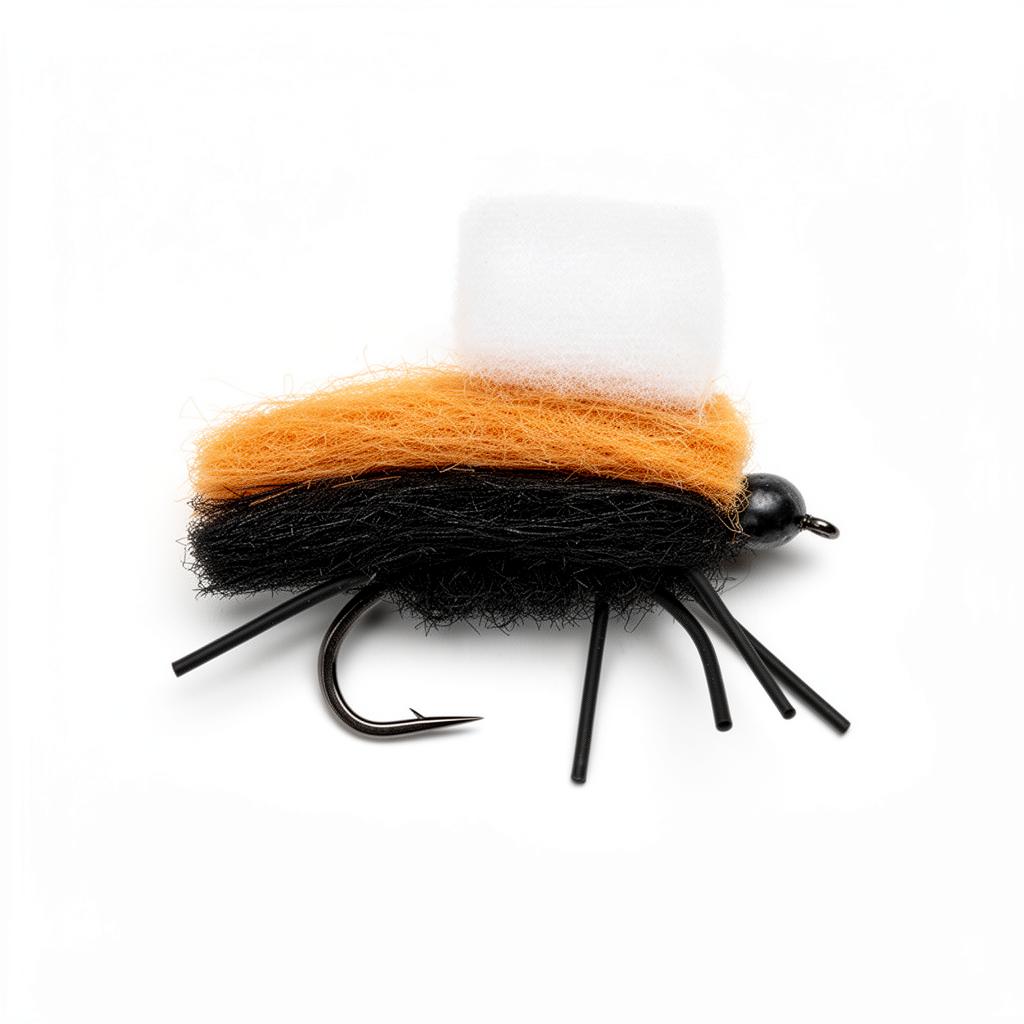
Stonefly, hopper, beetle, generic big-bug attractor
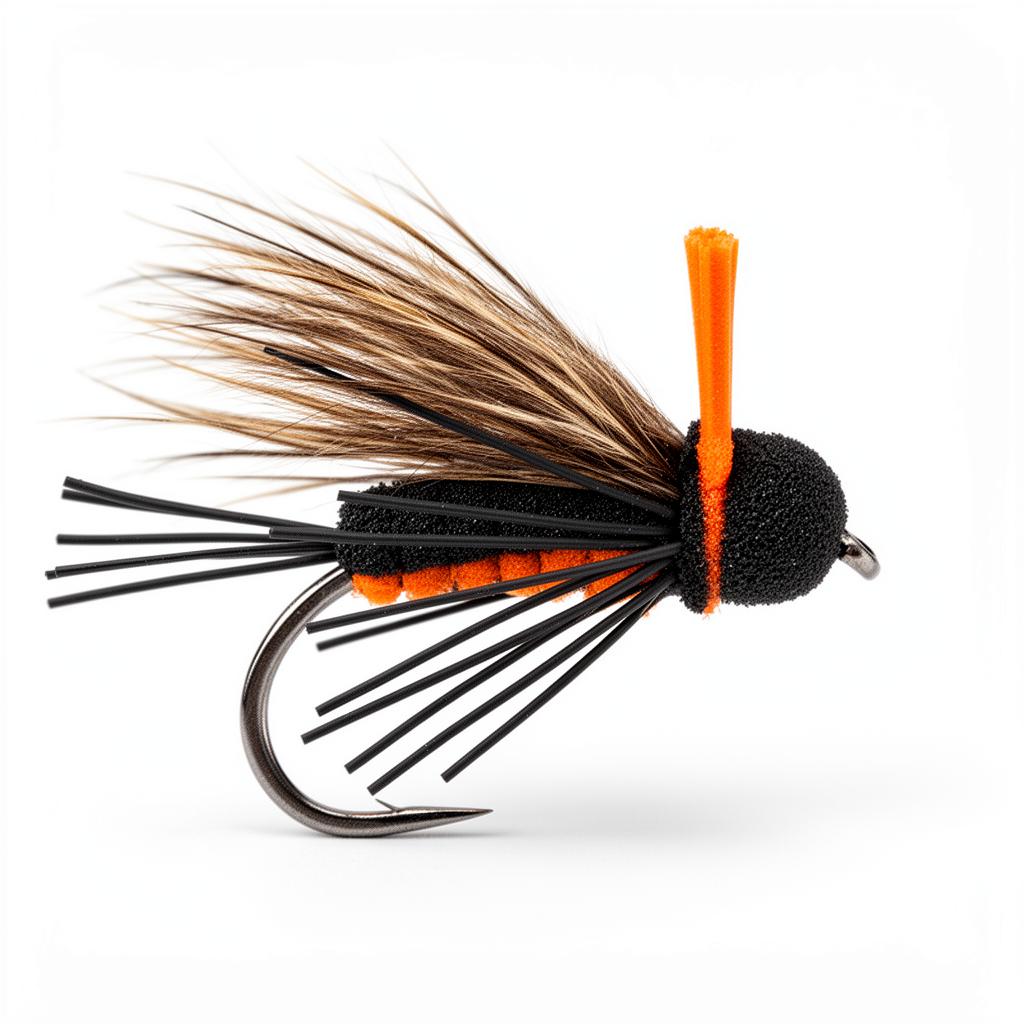
Adult black stonefly (Pteronarcys, early-spring stones)
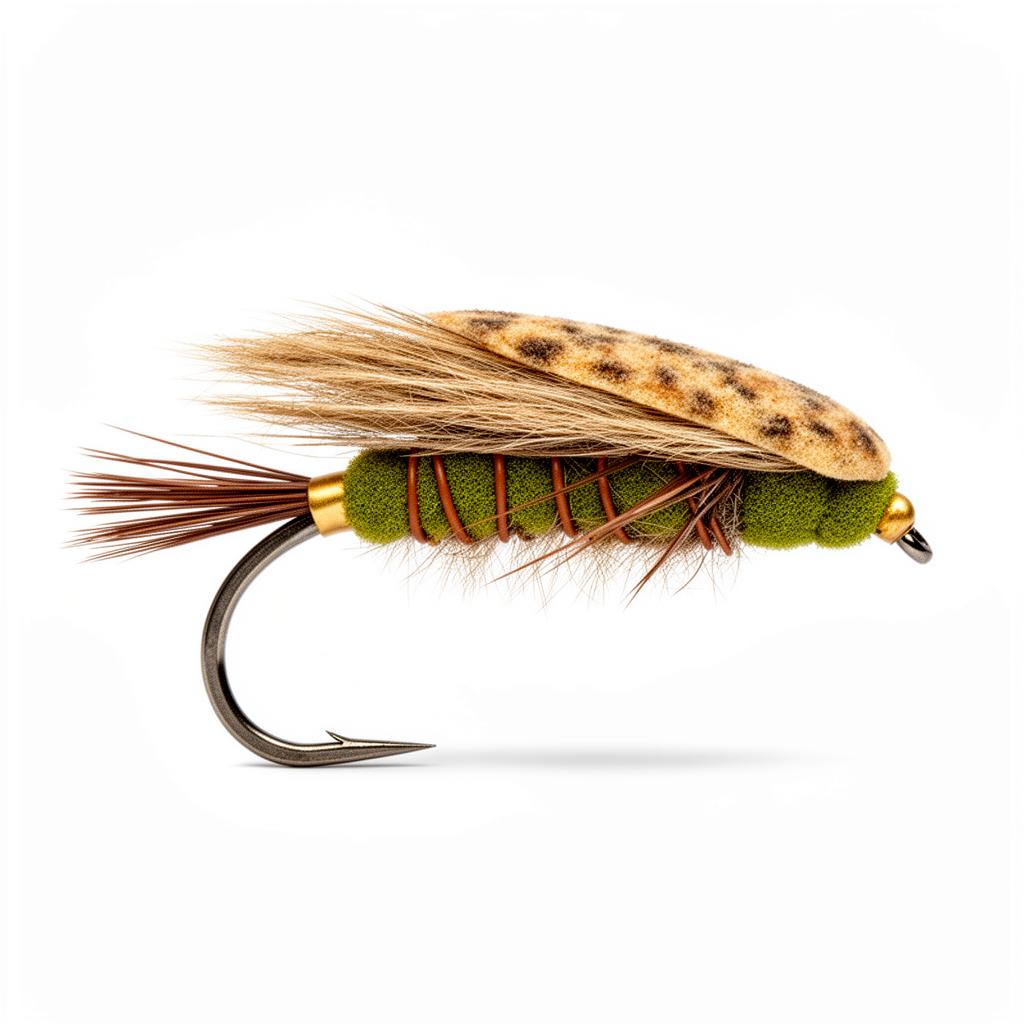
Adult Skwala stonefly (early spring olive-tan stone)
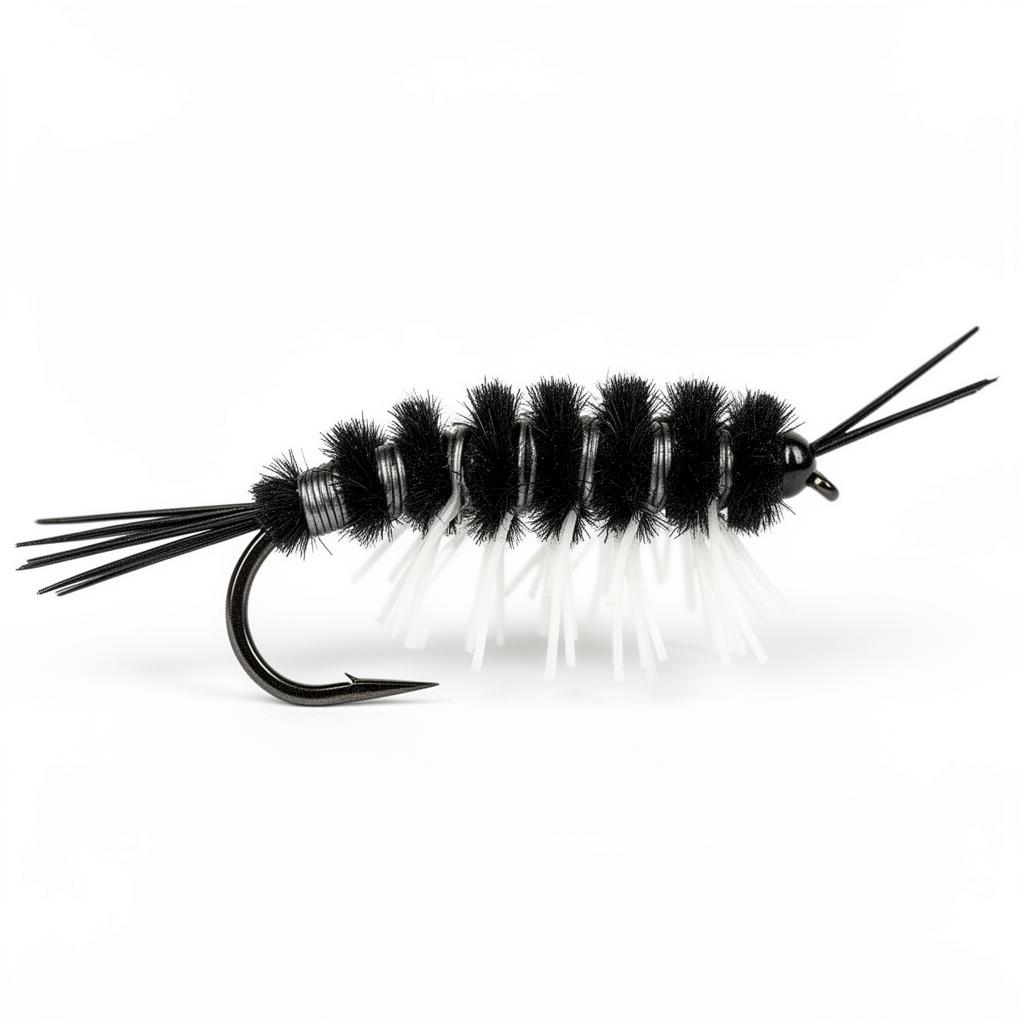
Stonefly nymph, big terrestrial nymph, attractor
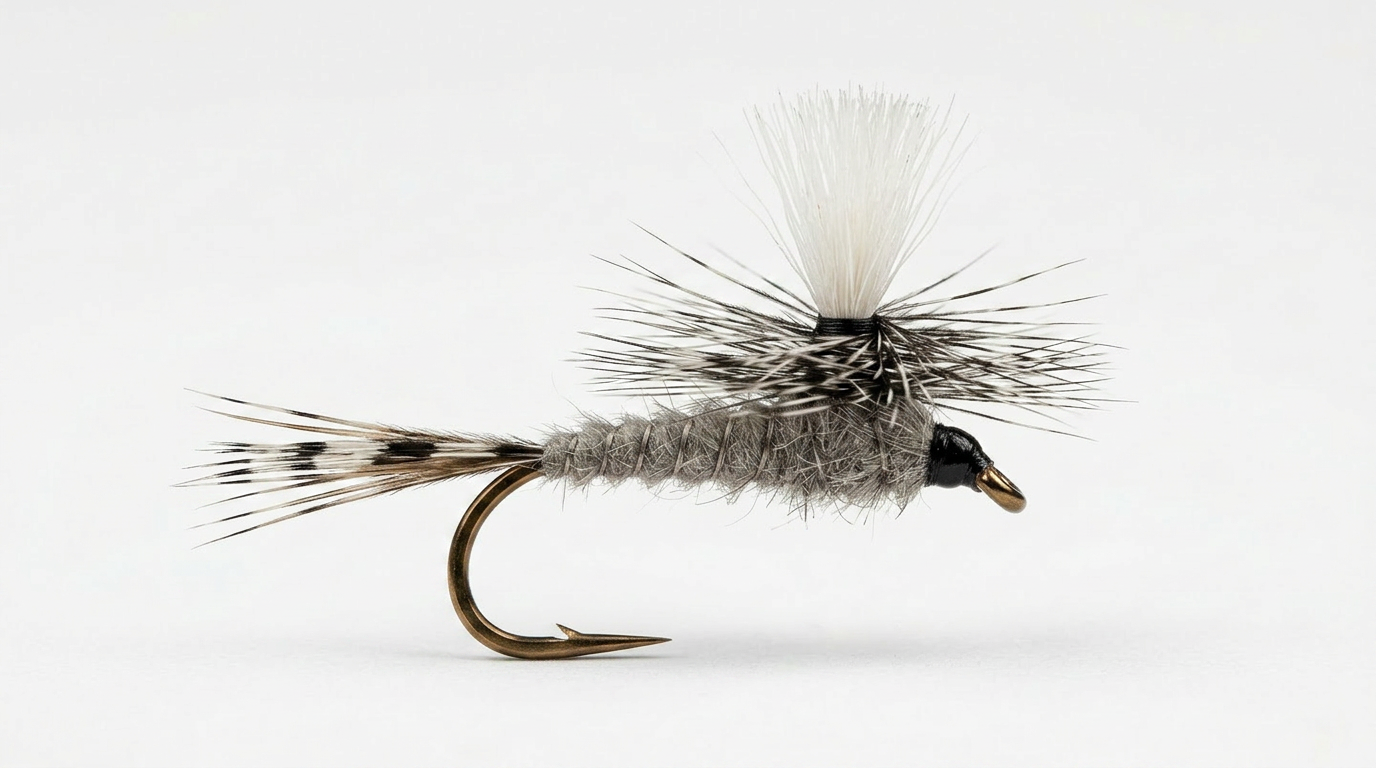
Generic mayfly dun (BWO, PMD, Callibaetis, midge cluster)
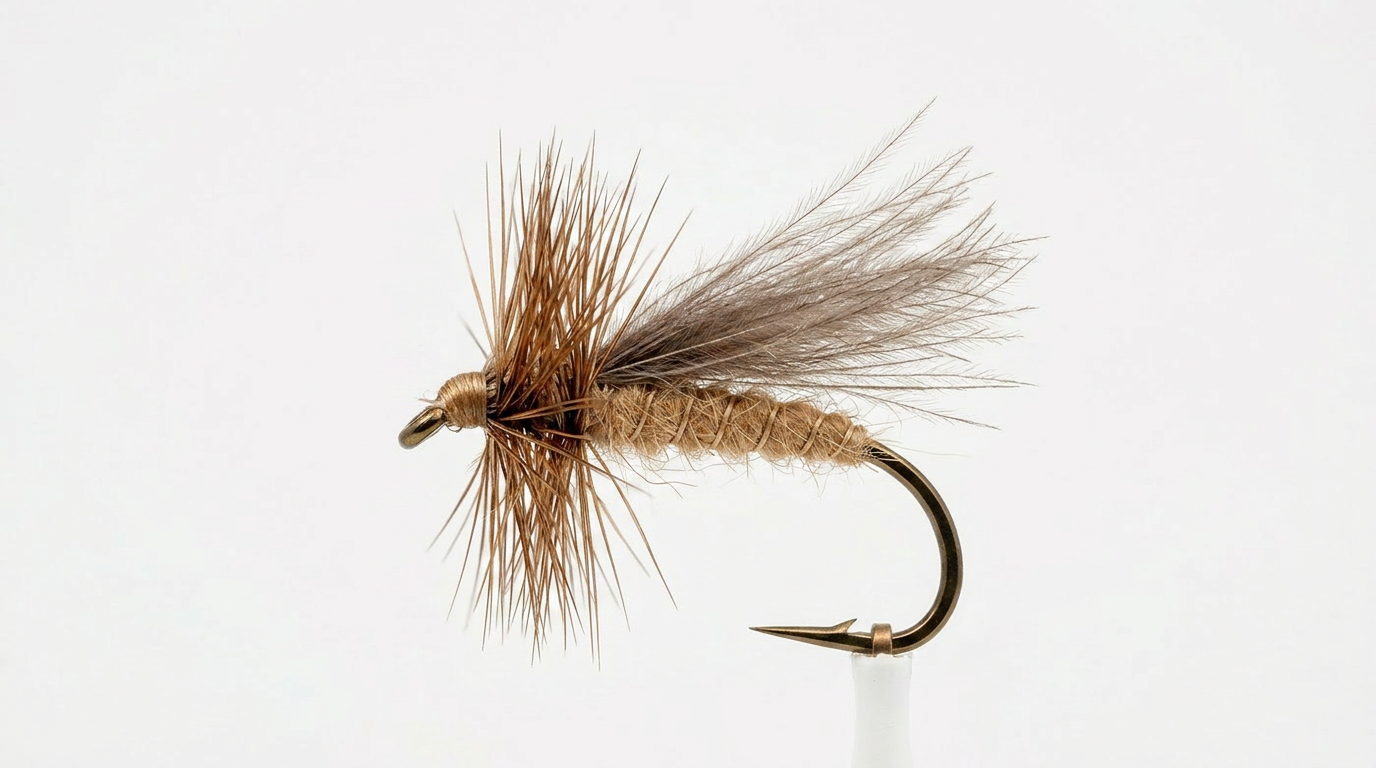
Adult caddis, emerging caddis pupa in film
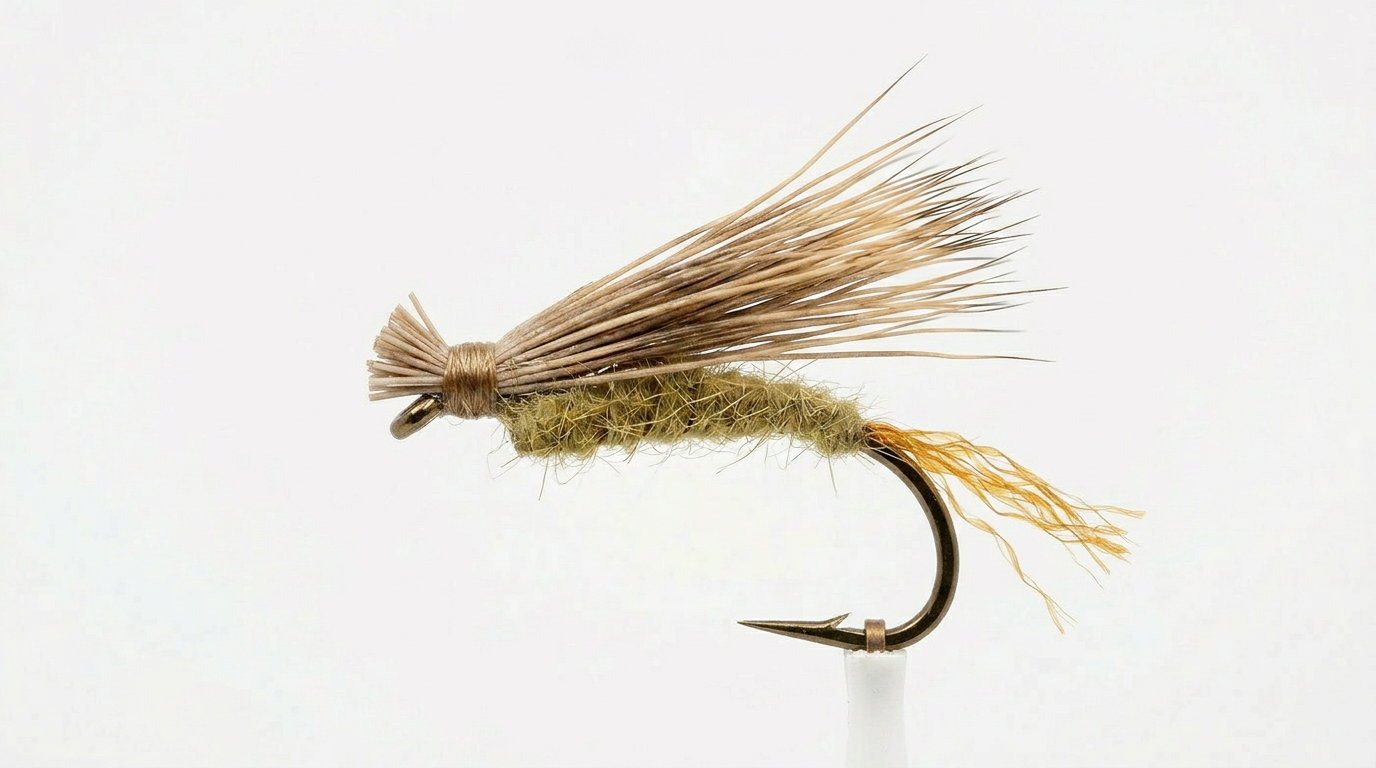
Emerging caddis with trailing pupal shuck
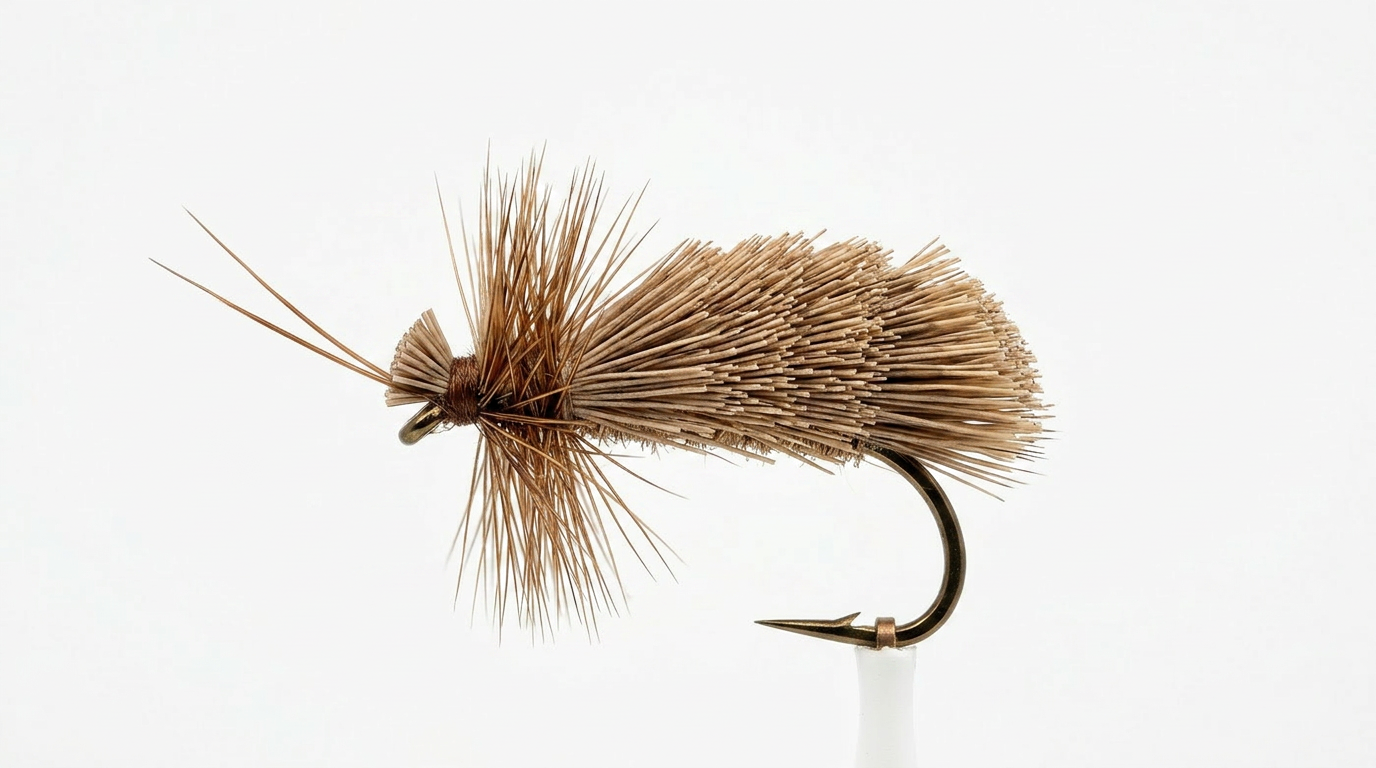
Adult caddis (egg-laying or skittering)
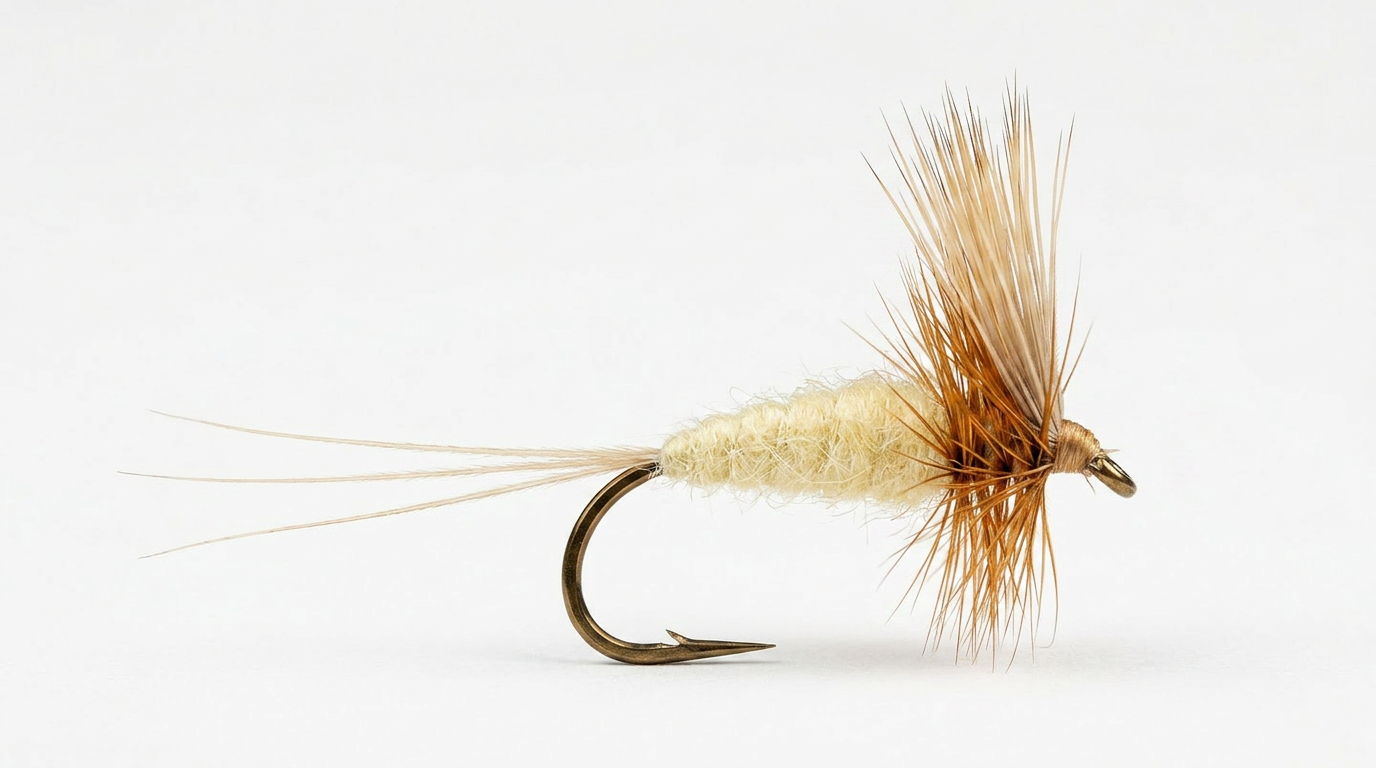
Adult Hexagenia limbata mayfly (largest North American mayfly)
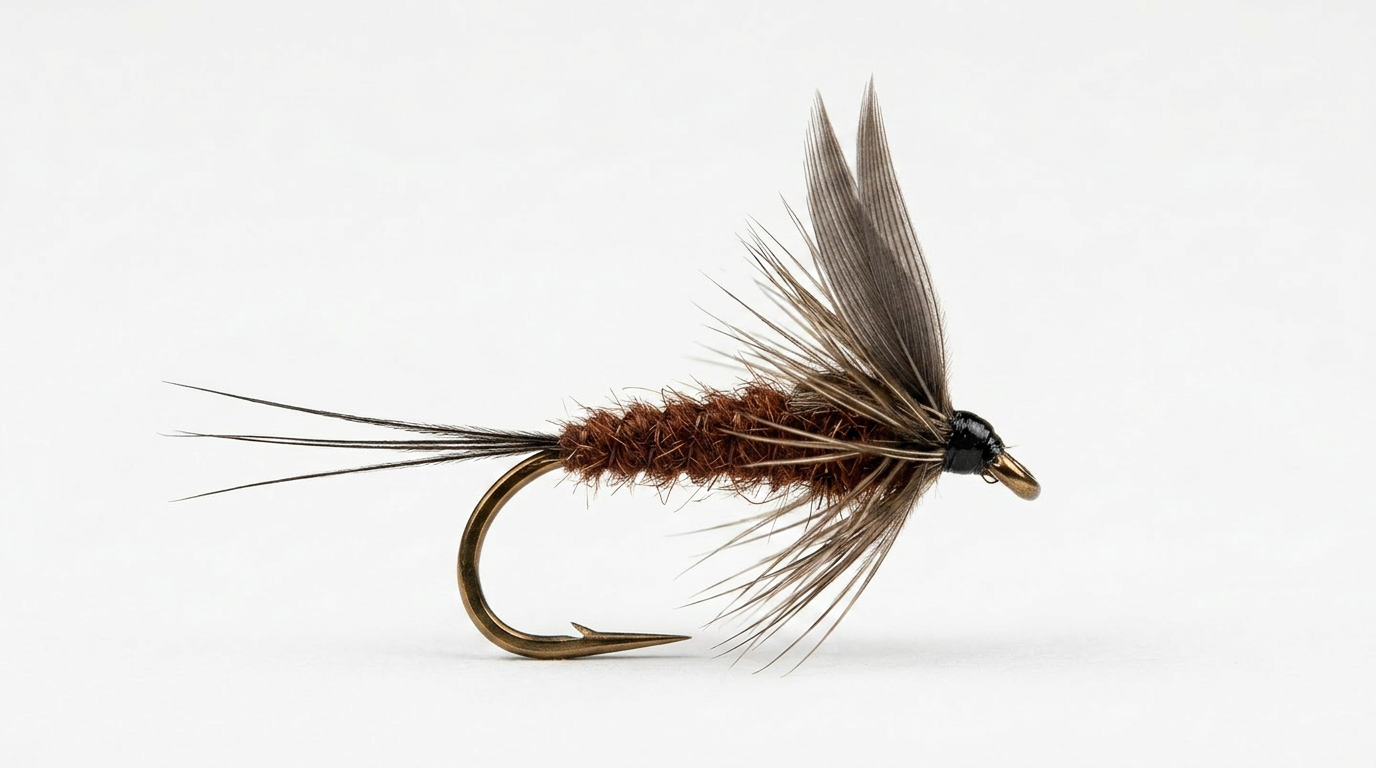
Adult Isonychia bicolor mayfly (Slate Drake)
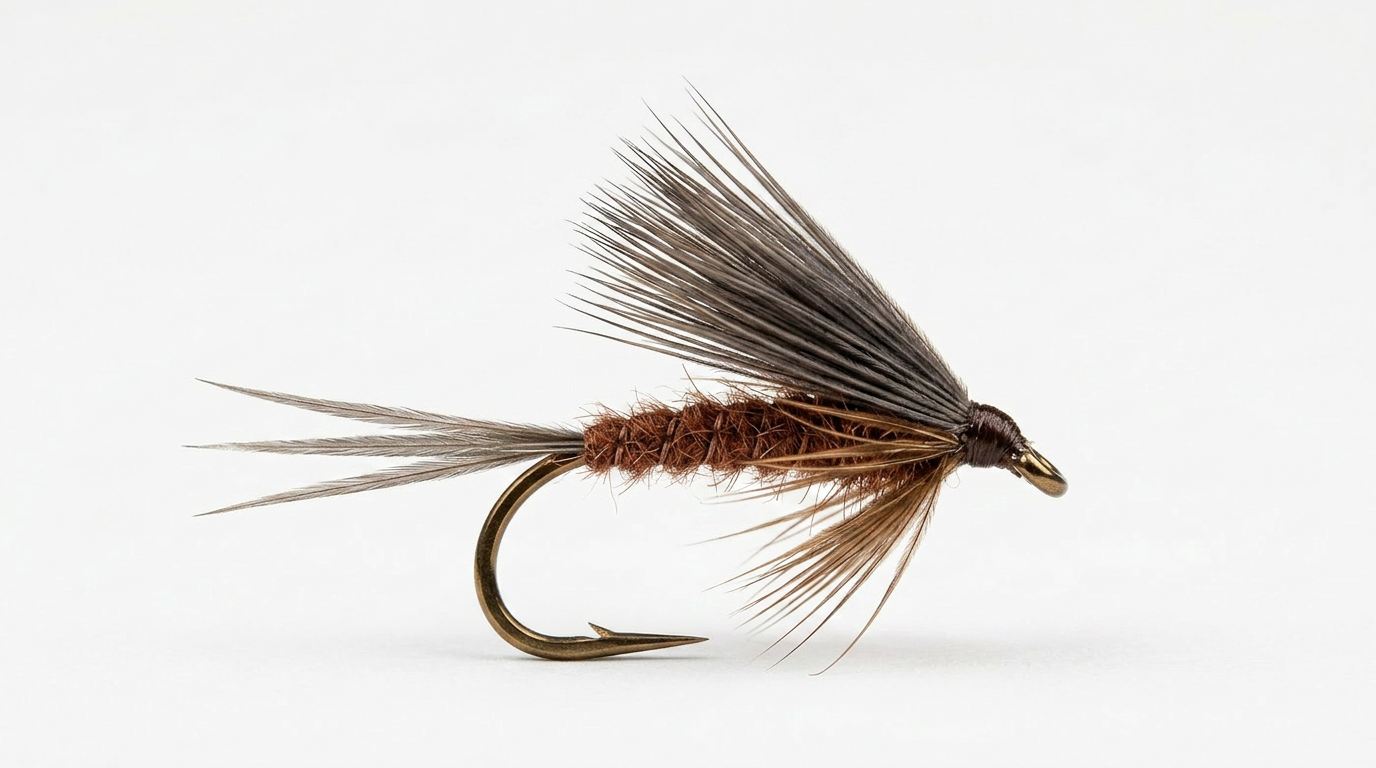
Adult Paraleptophlebia mayfly (Mahogany Dun)
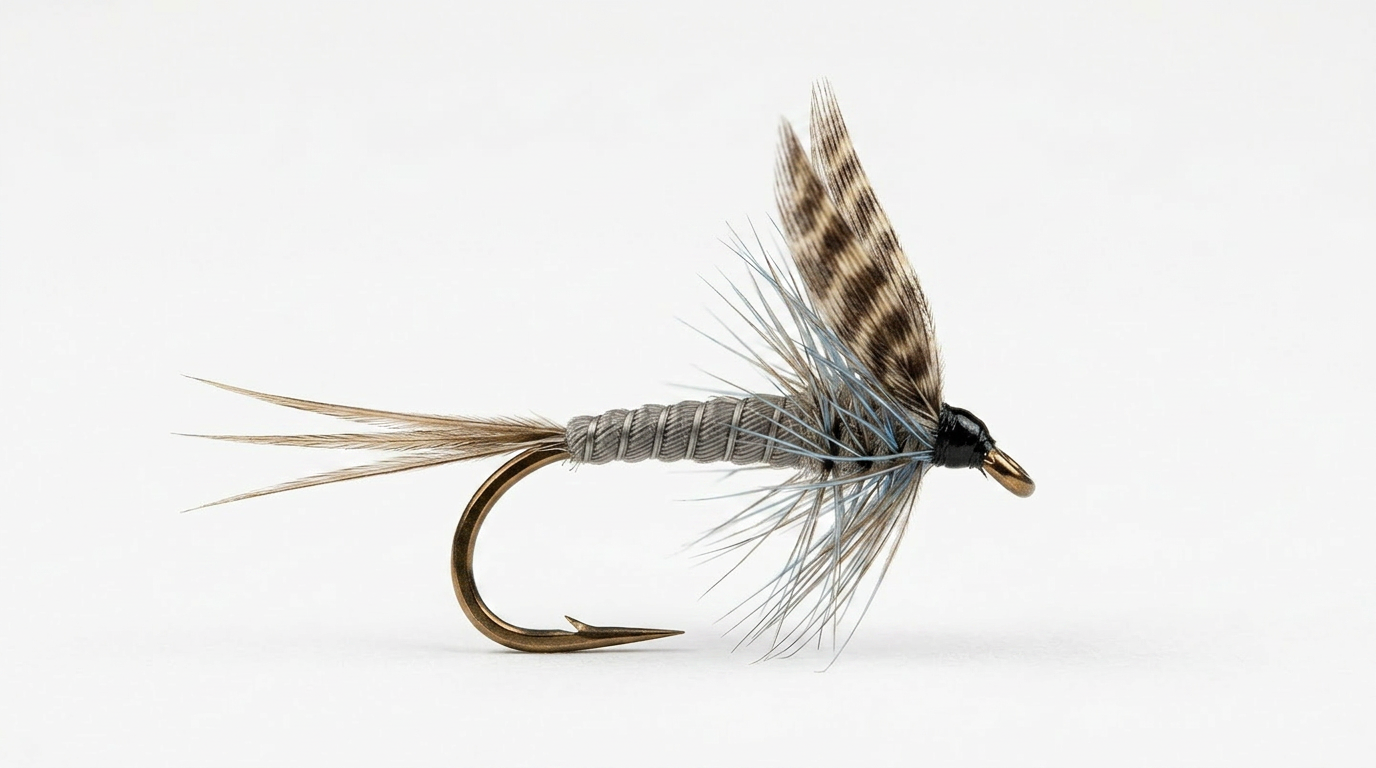
Adult Epeorus pleuralis mayfly — first major Eastern hatch of spring
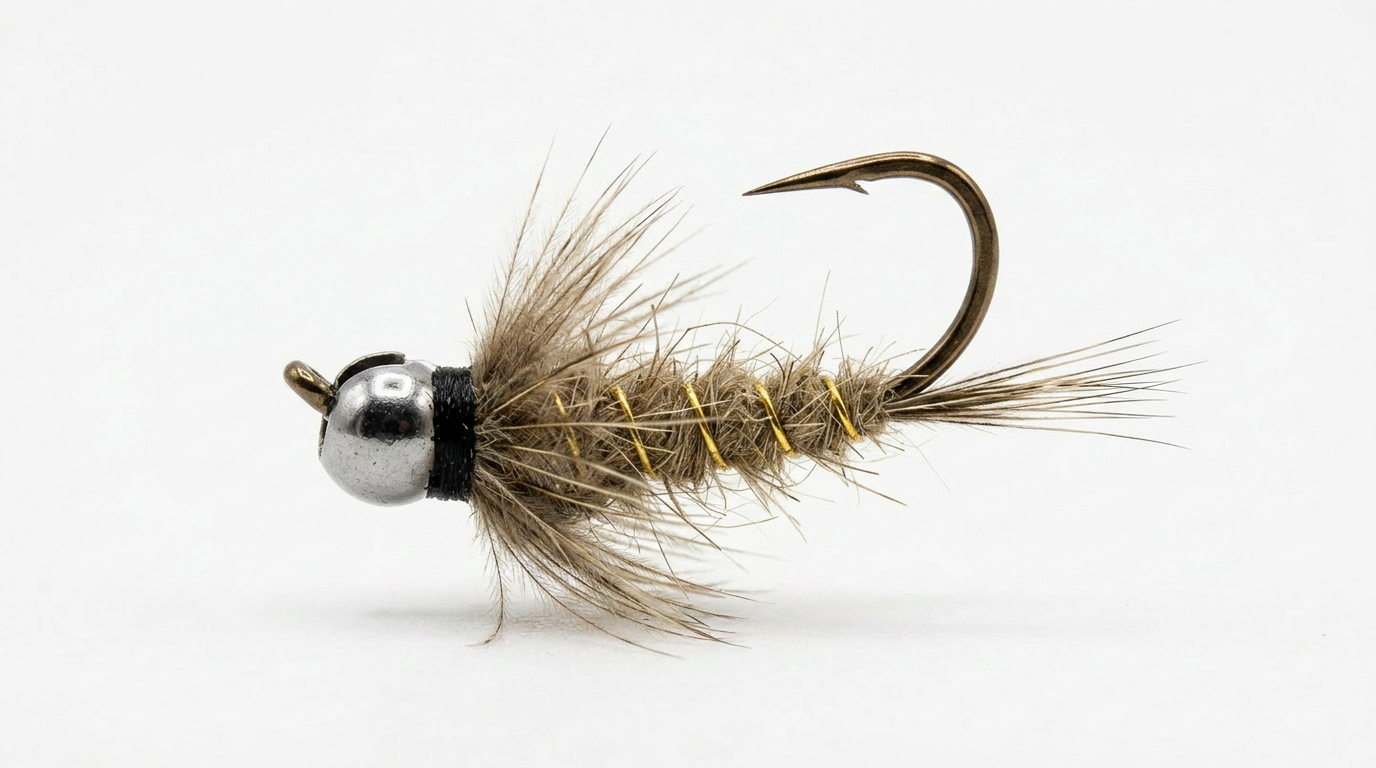
Mayfly nymph, caddis pupa, generic buggy nymph (Euro nymphing)
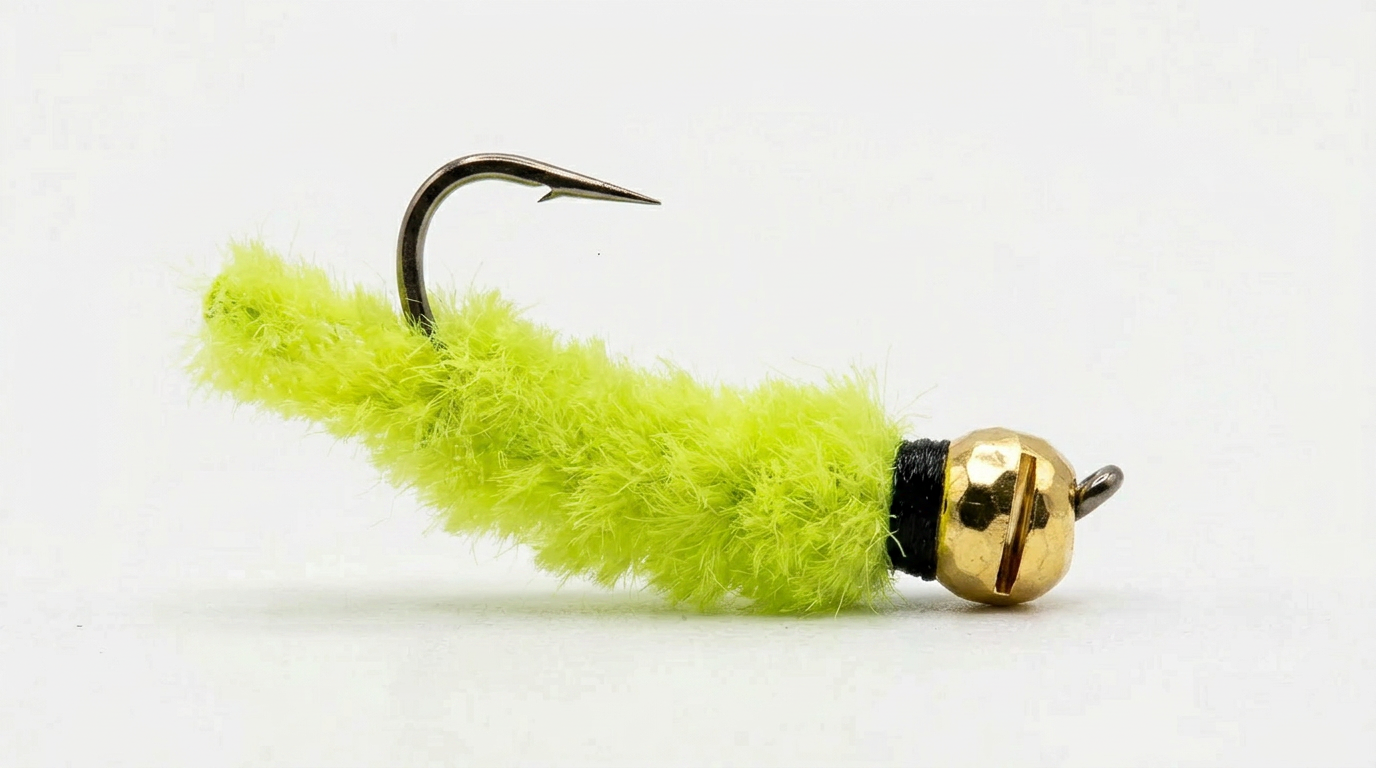
Crane fly larva, grub, big juicy worm-like food
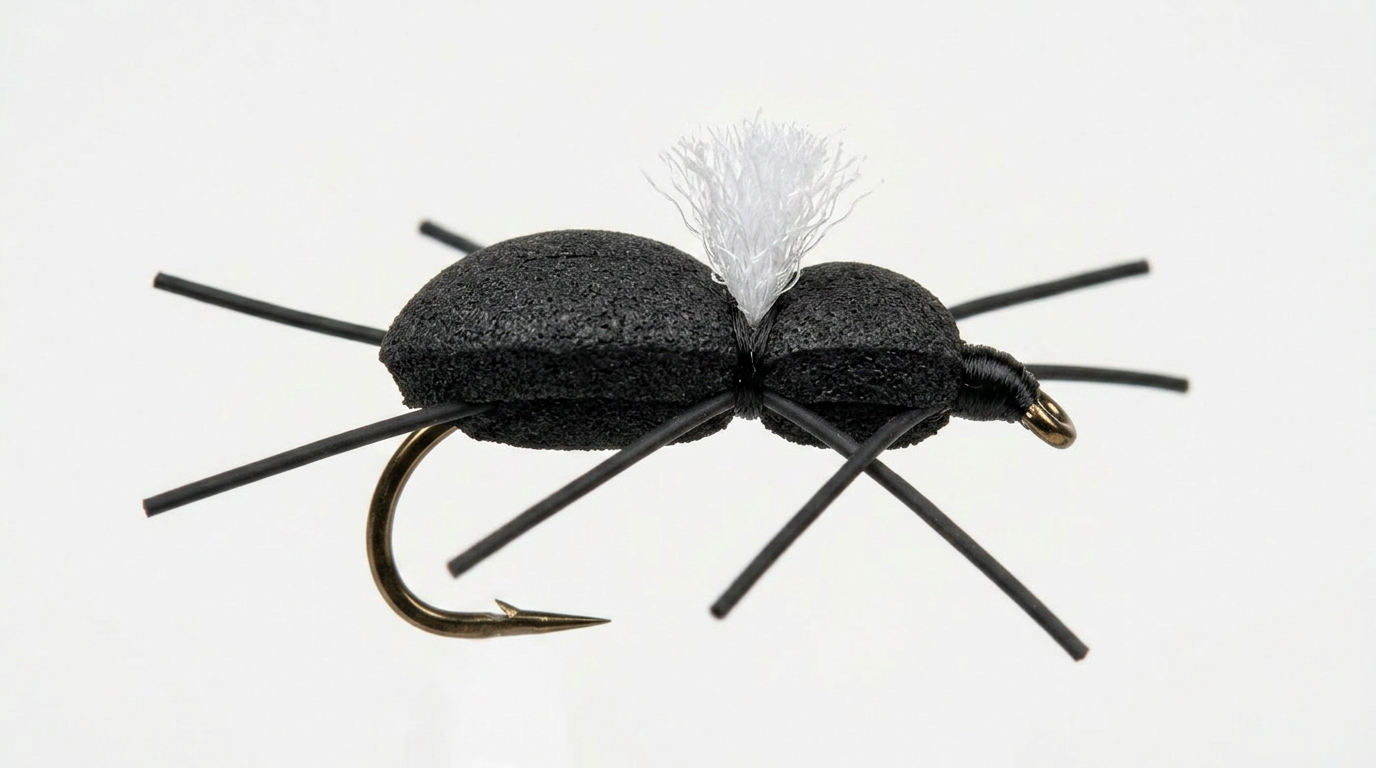
Adult ant, flying ant, drowned terrestrial
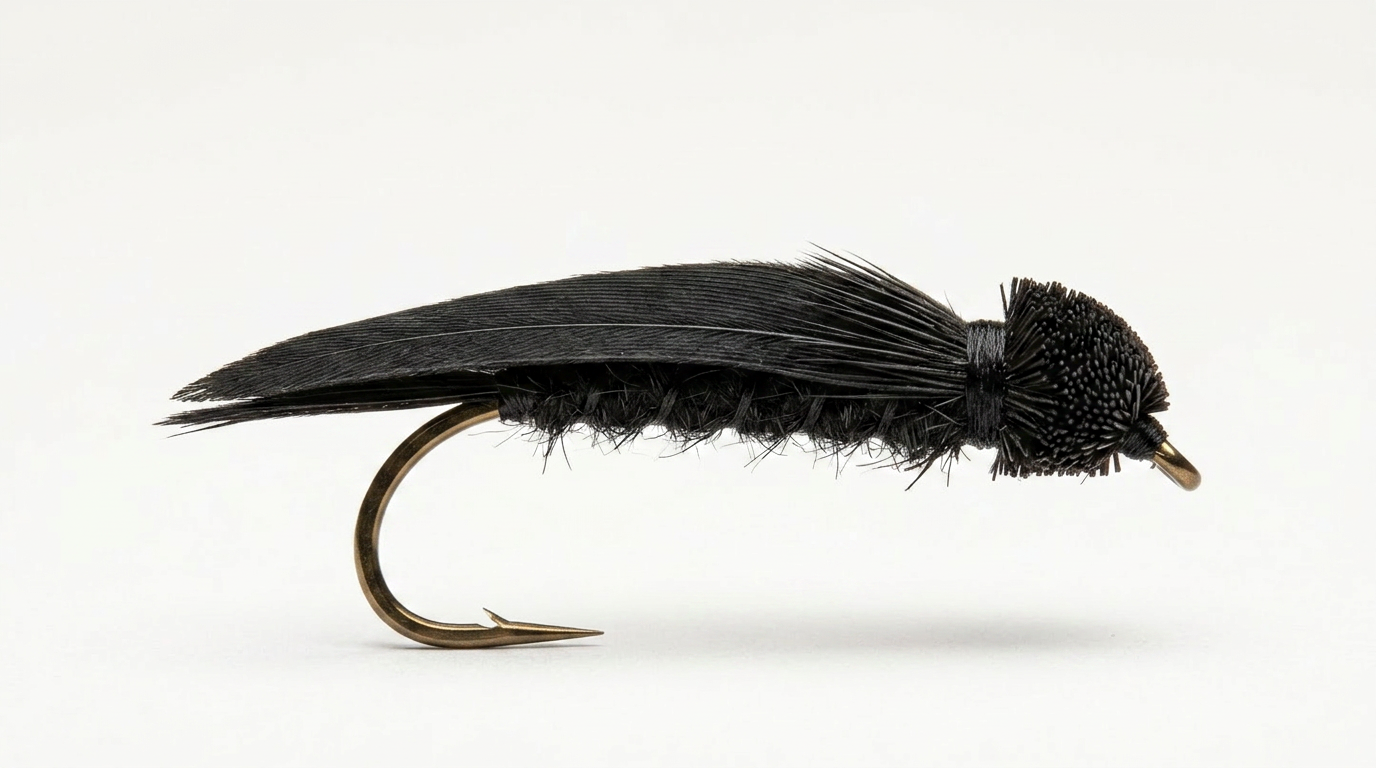
Adult field cricket or house cricket
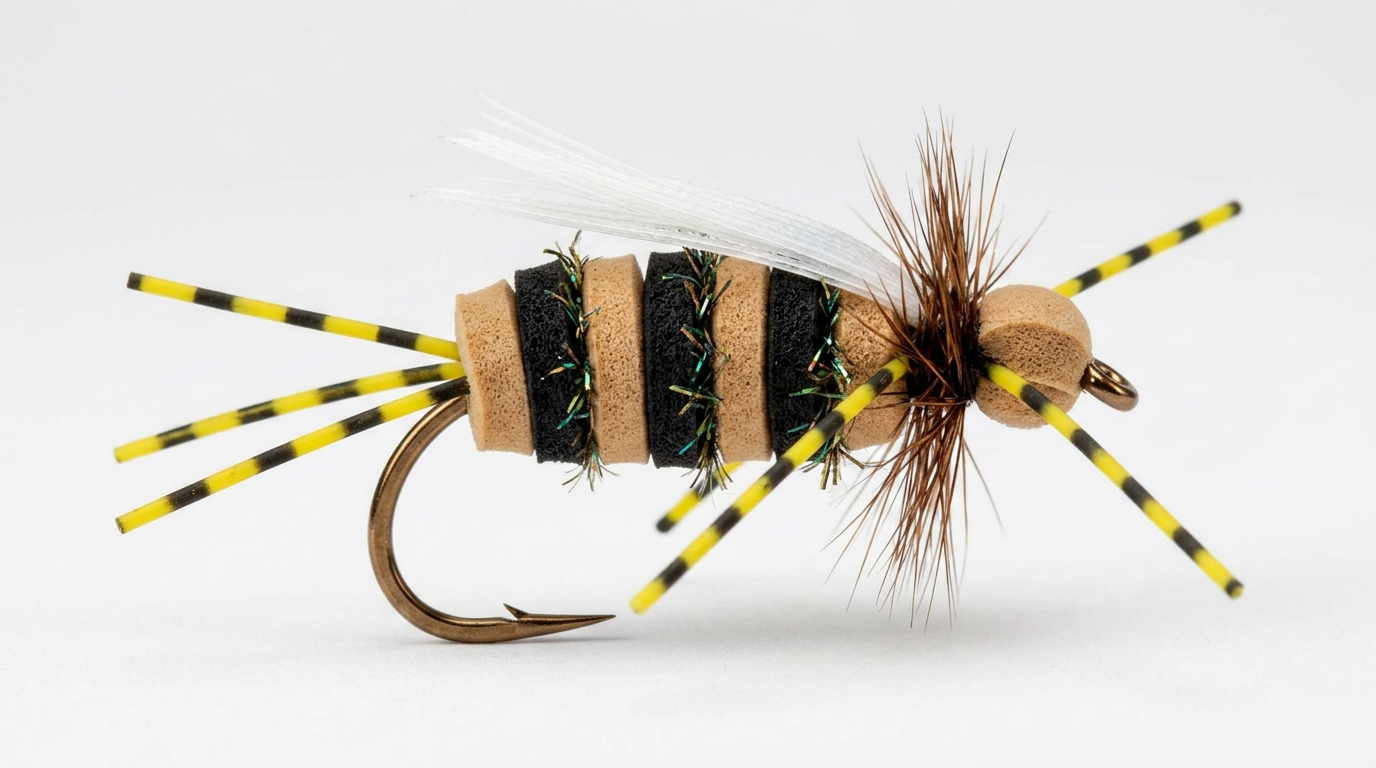
Large hopper, stonefly, and attractor terrestrial
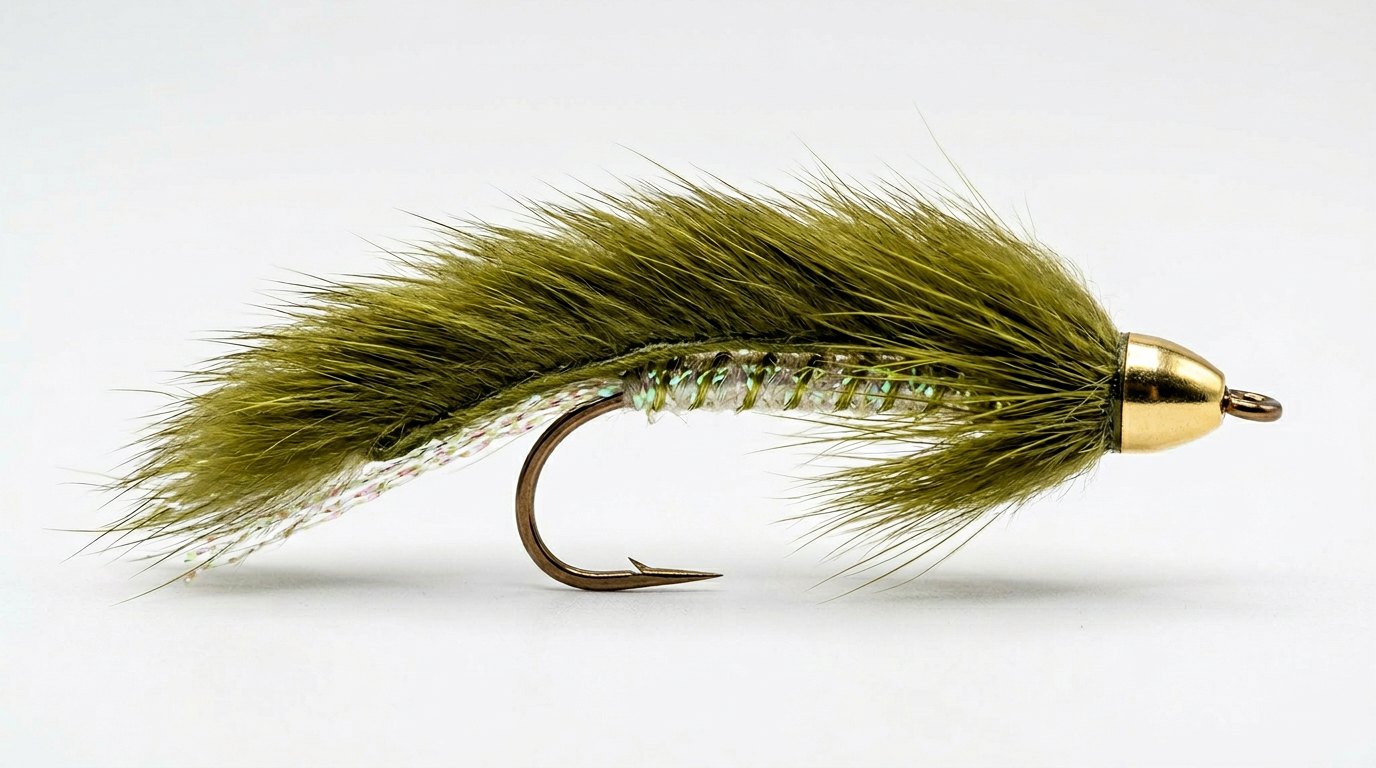
Sculpin, dace, juvenile trout, baitfish
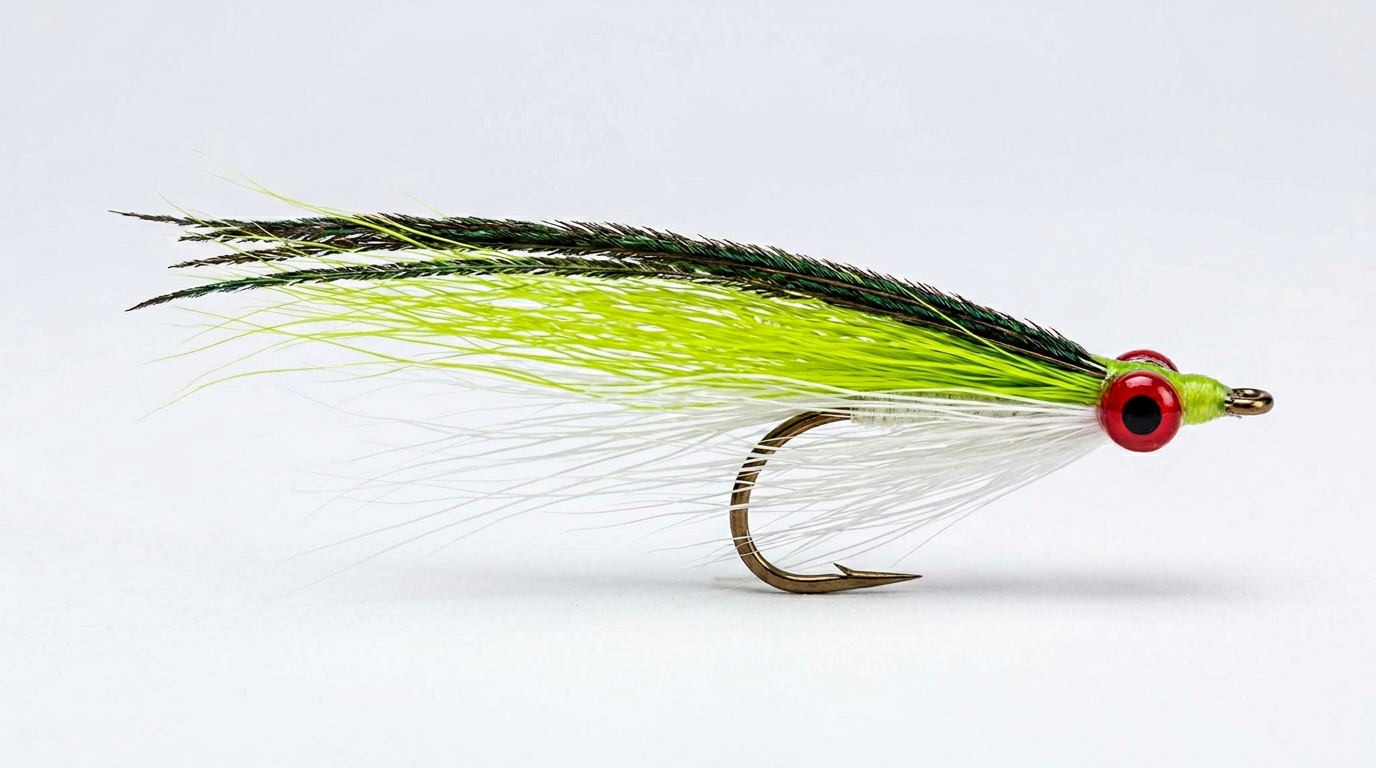
Baitfish, shiner, dace, smolt, minnow
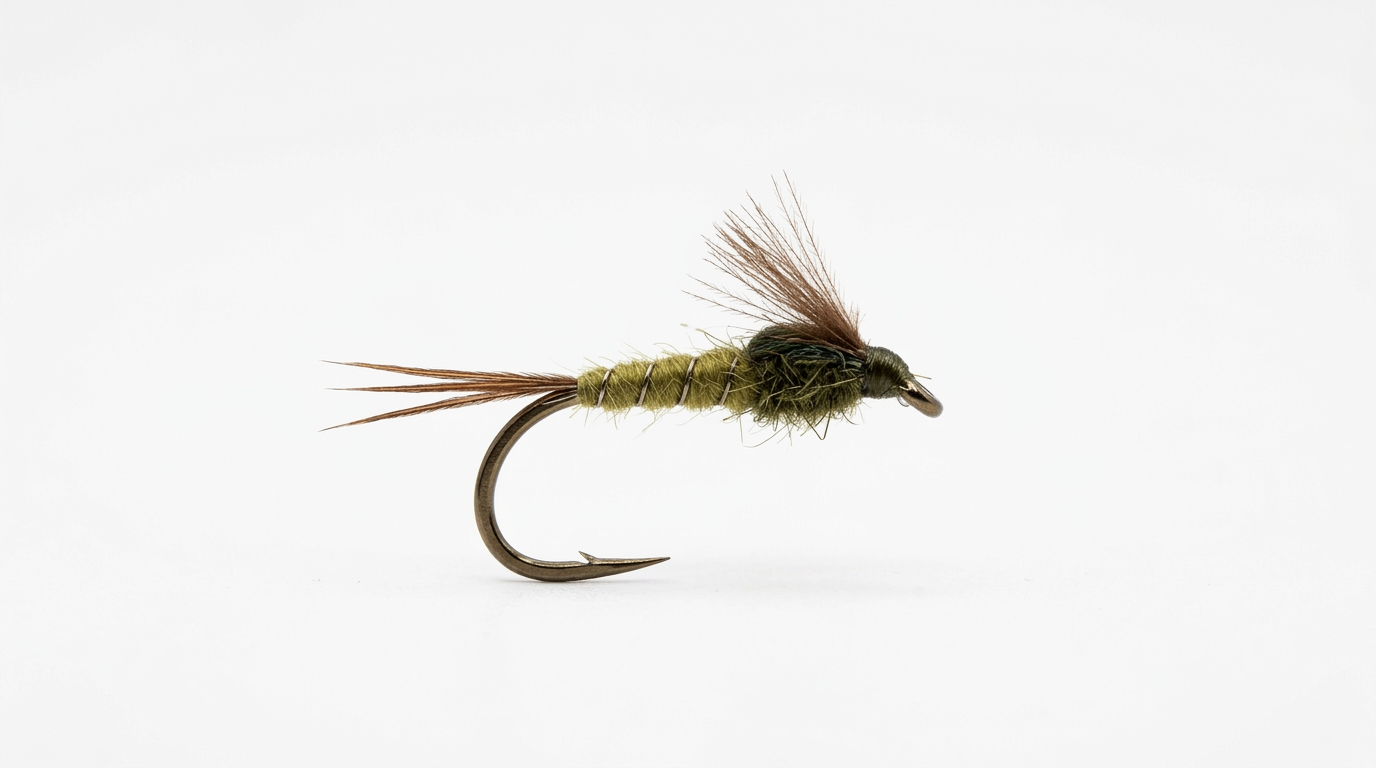
Blue-winged olive emerger
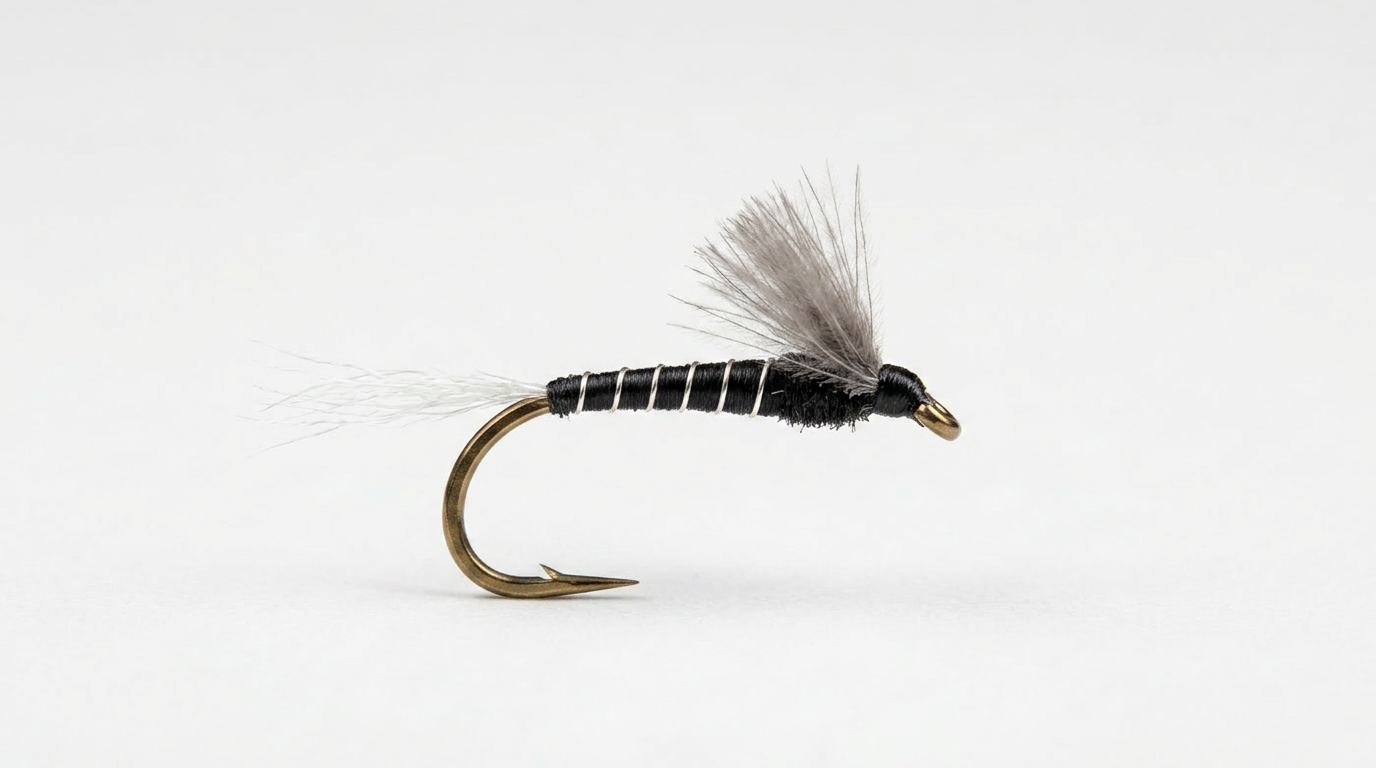
Emerging midge in the surface film
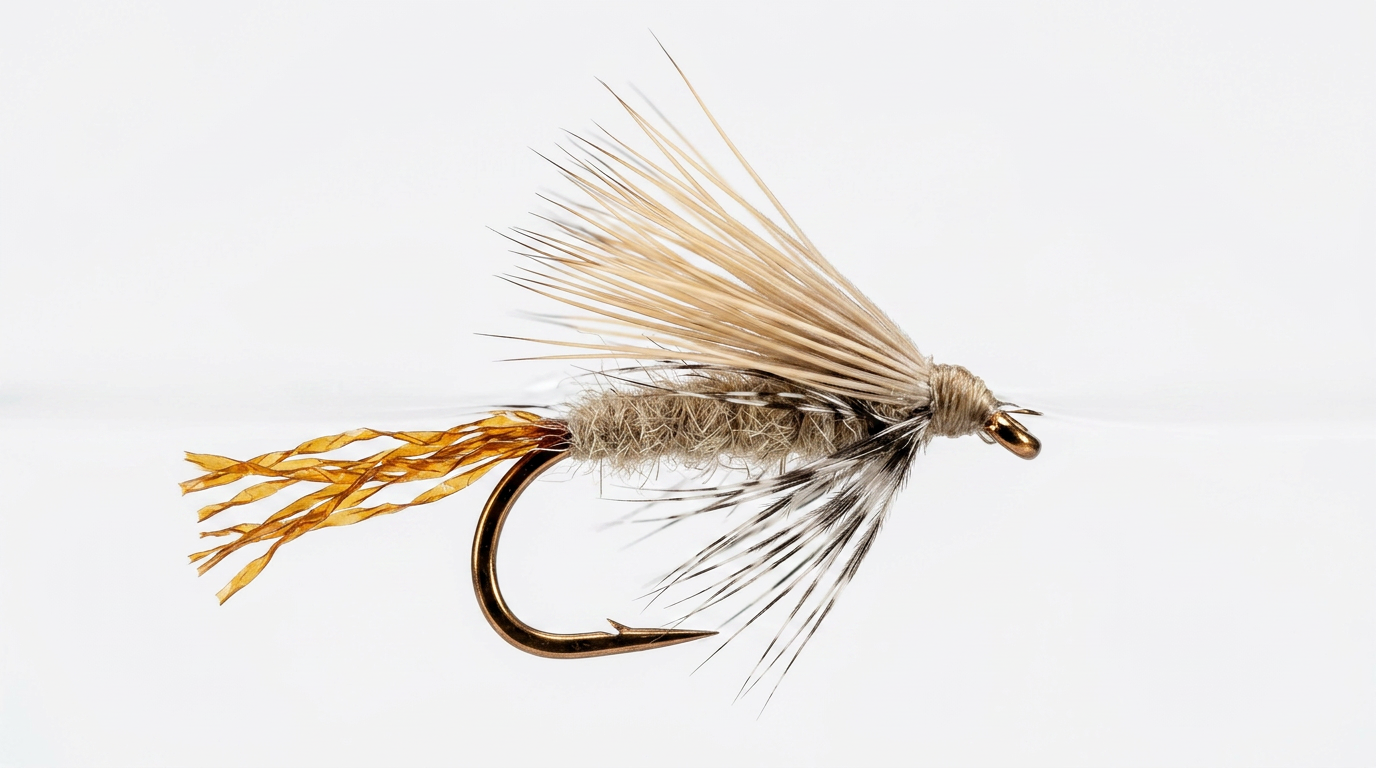
Emerging or crippled Callibaetis mayfly
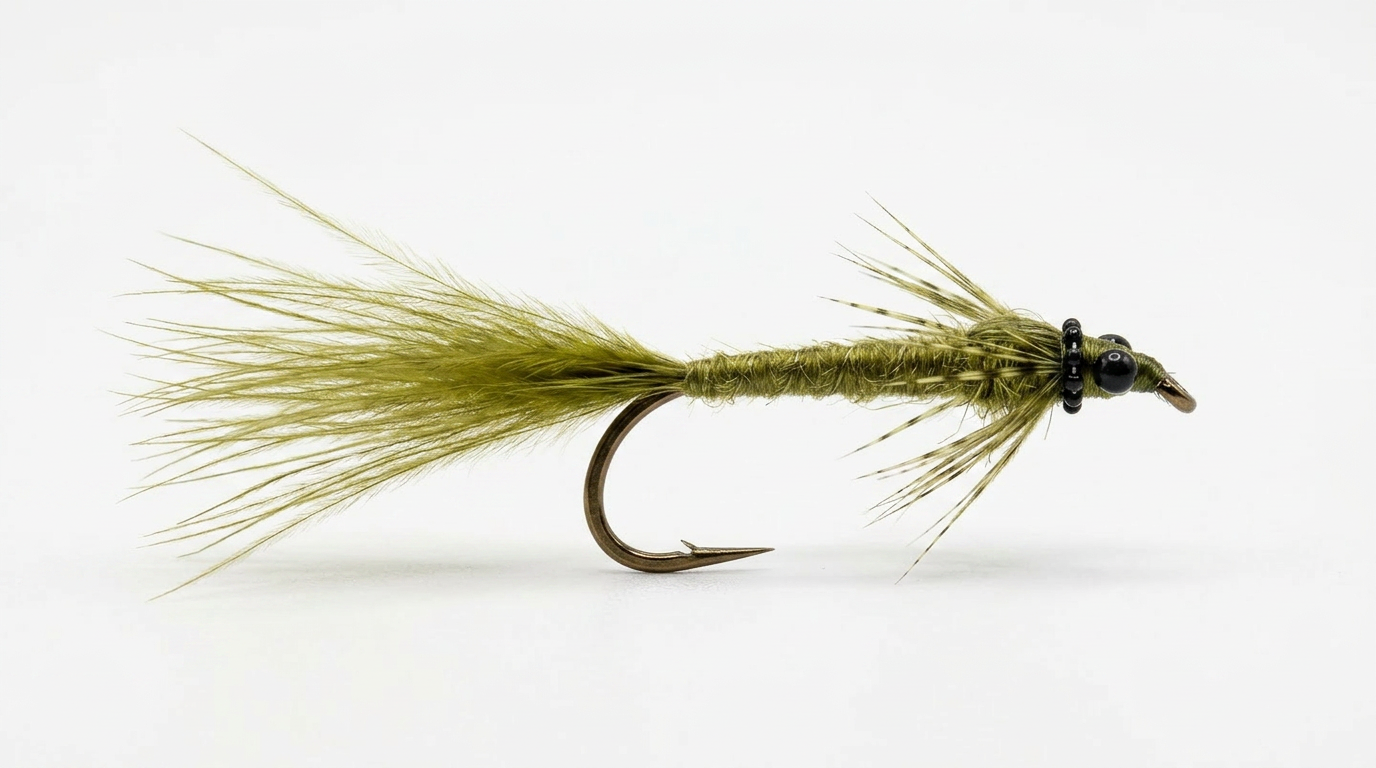
Swimming damselfly nymph
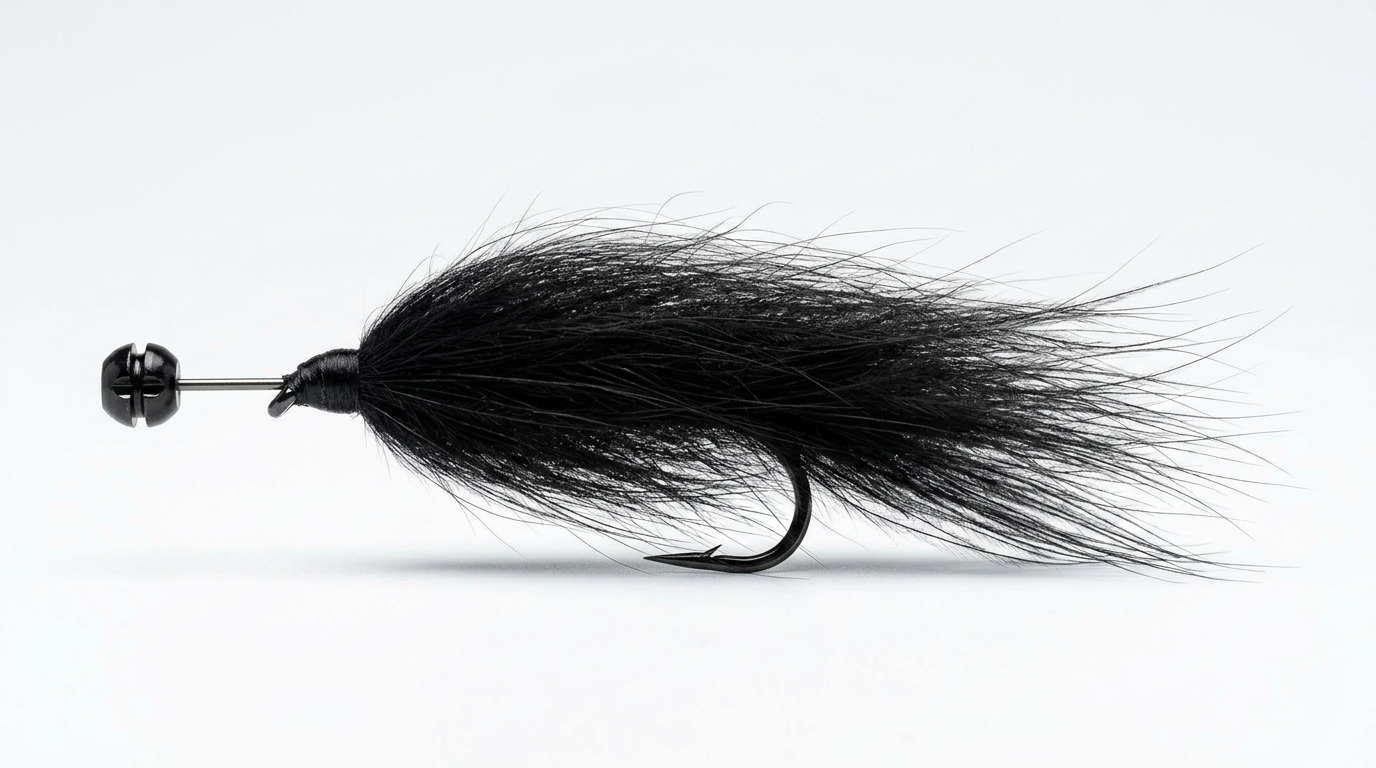
Leech, dragonfly nymph, bloodworm, suspended stillwater forage
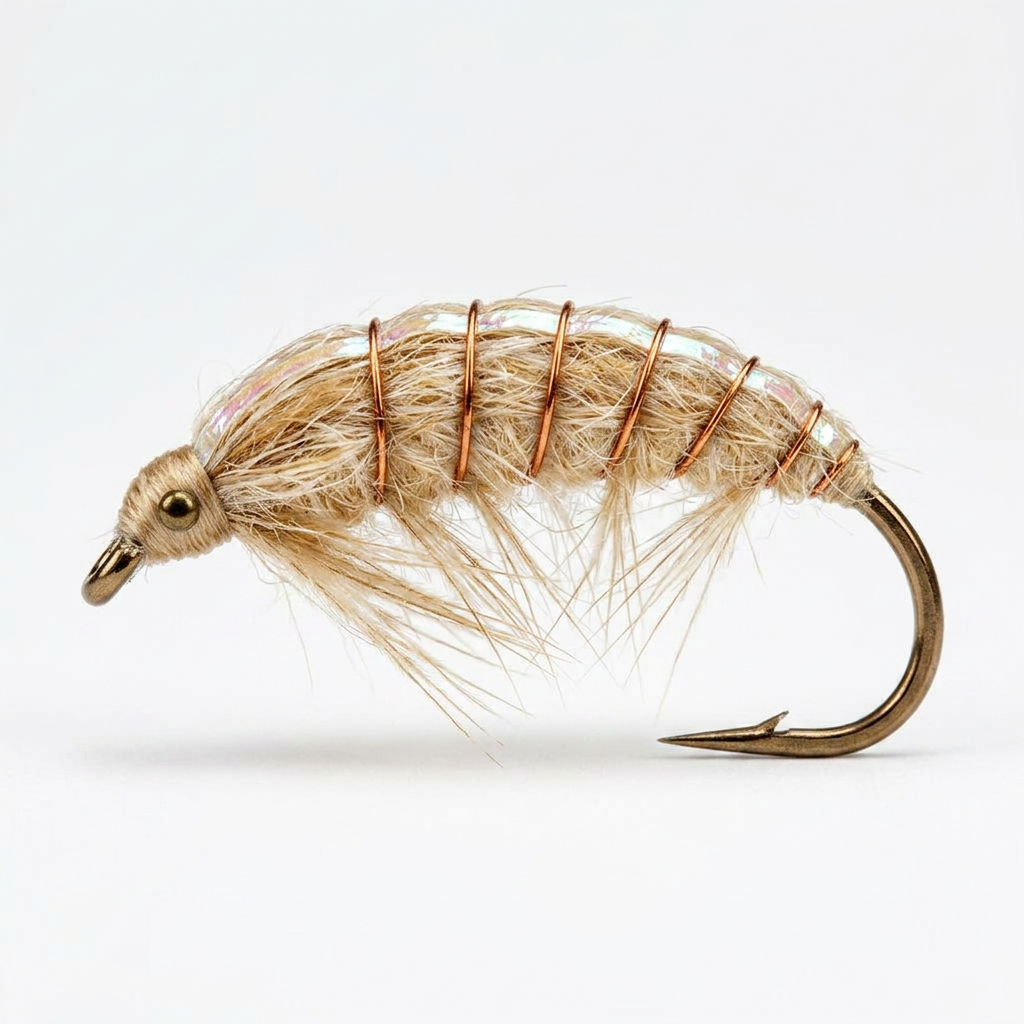
Aquatic sowbug (Asellus / Cress bug)
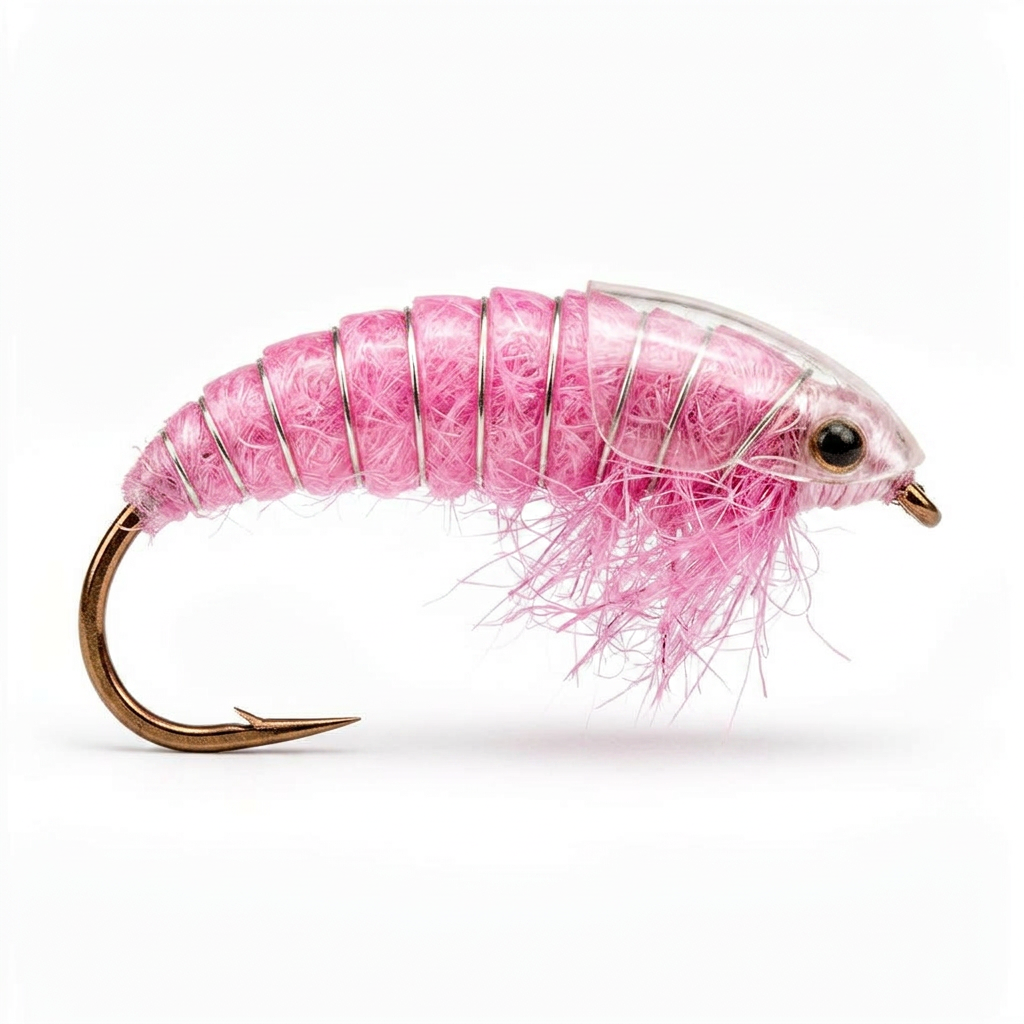
Freshwater scud (Gammarus / Hyalella), often when molting or wounded
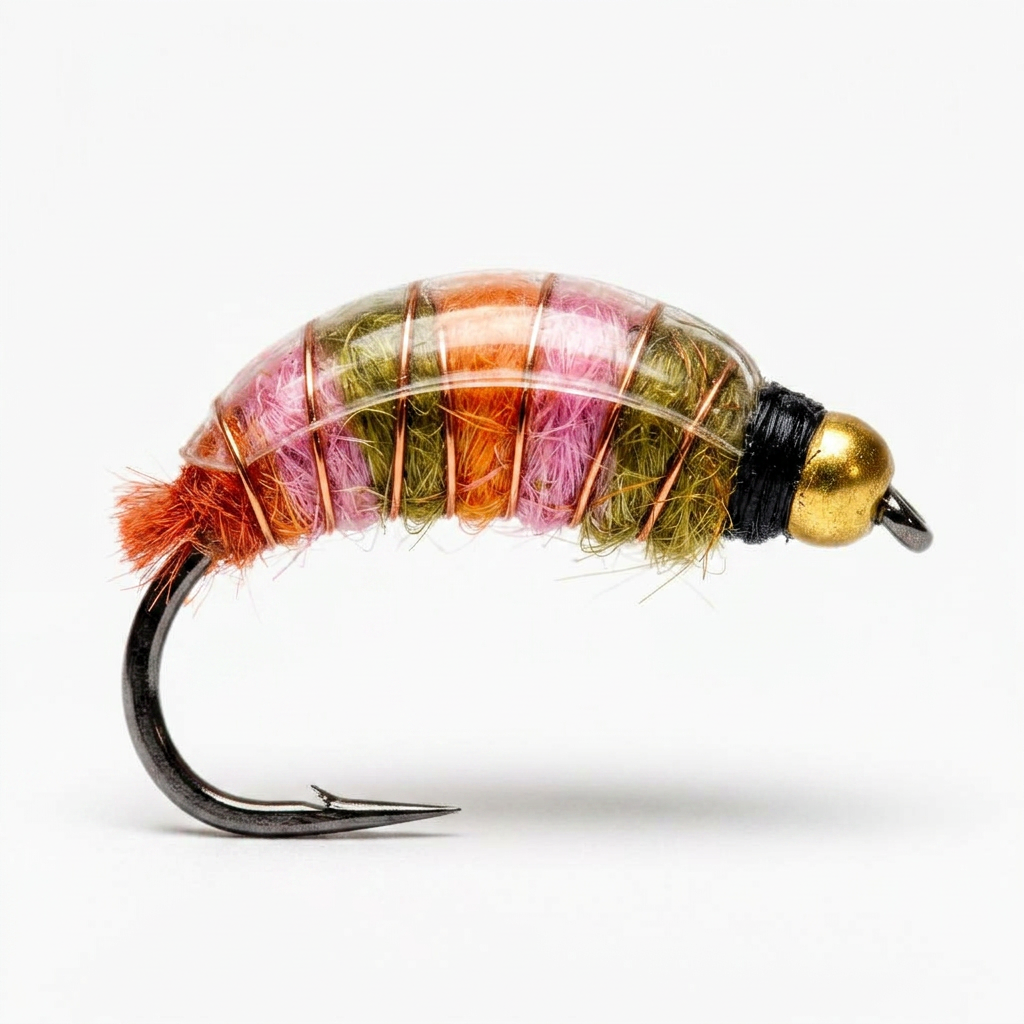
Caddis pupa, scud, and generic buggy bottom forage
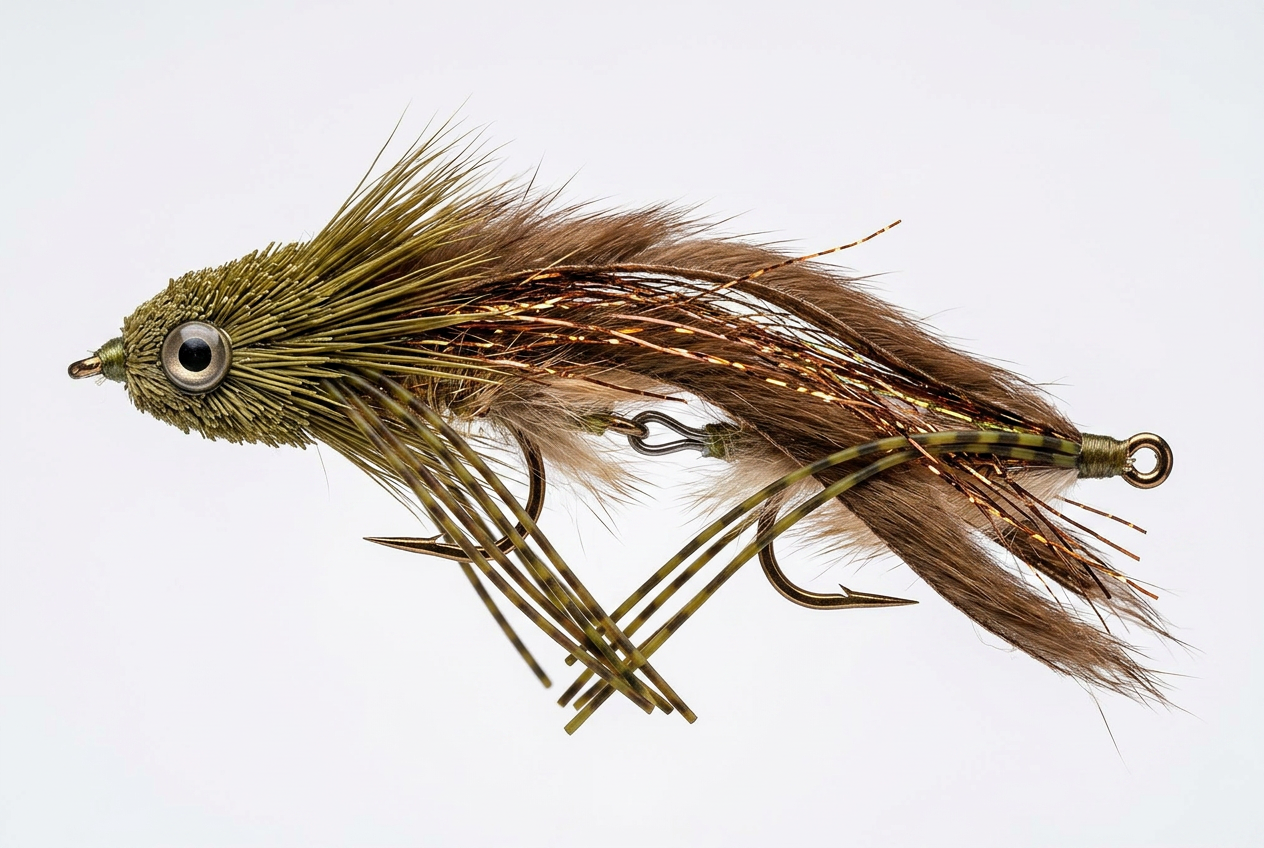
Wounded baitfish, juvenile trout, sculpin
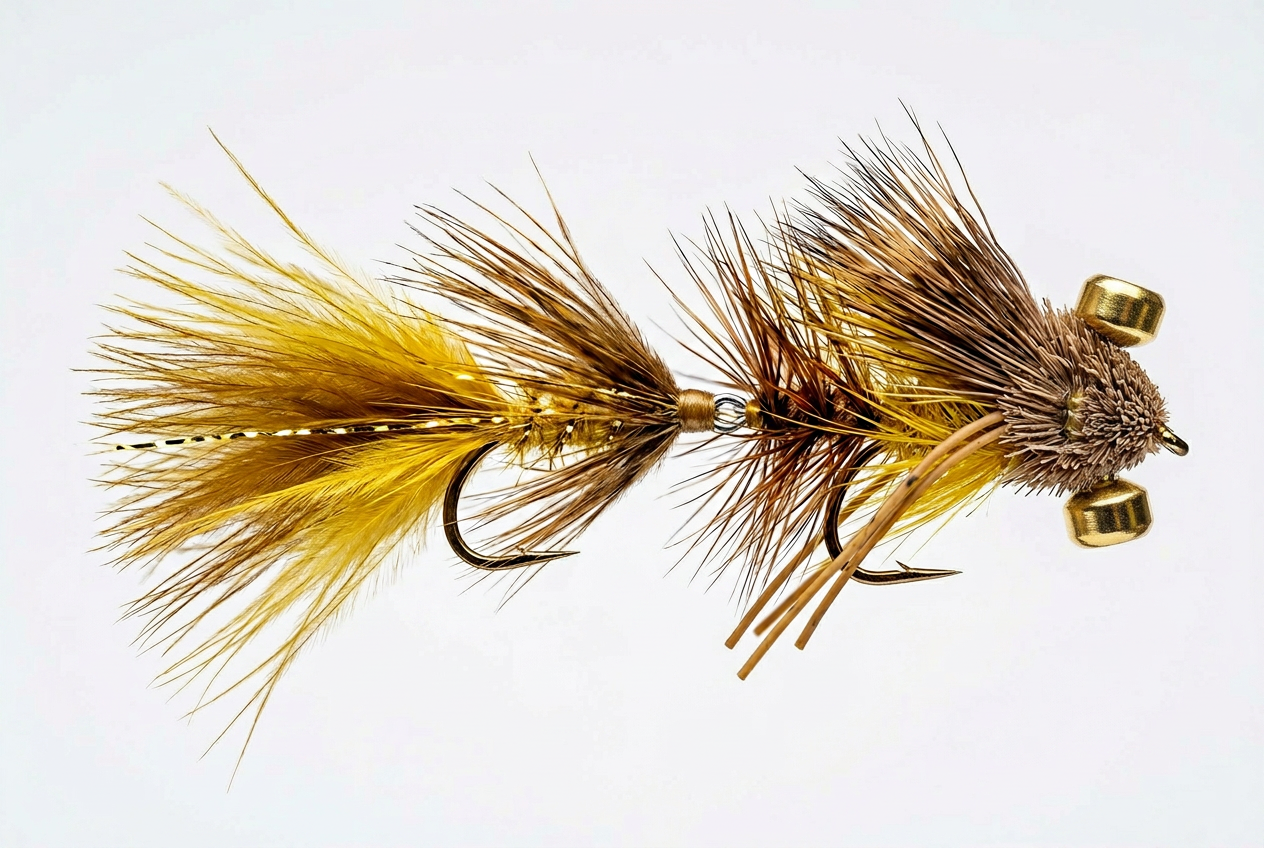
Juvenile brown trout, golden shiner, large baitfish
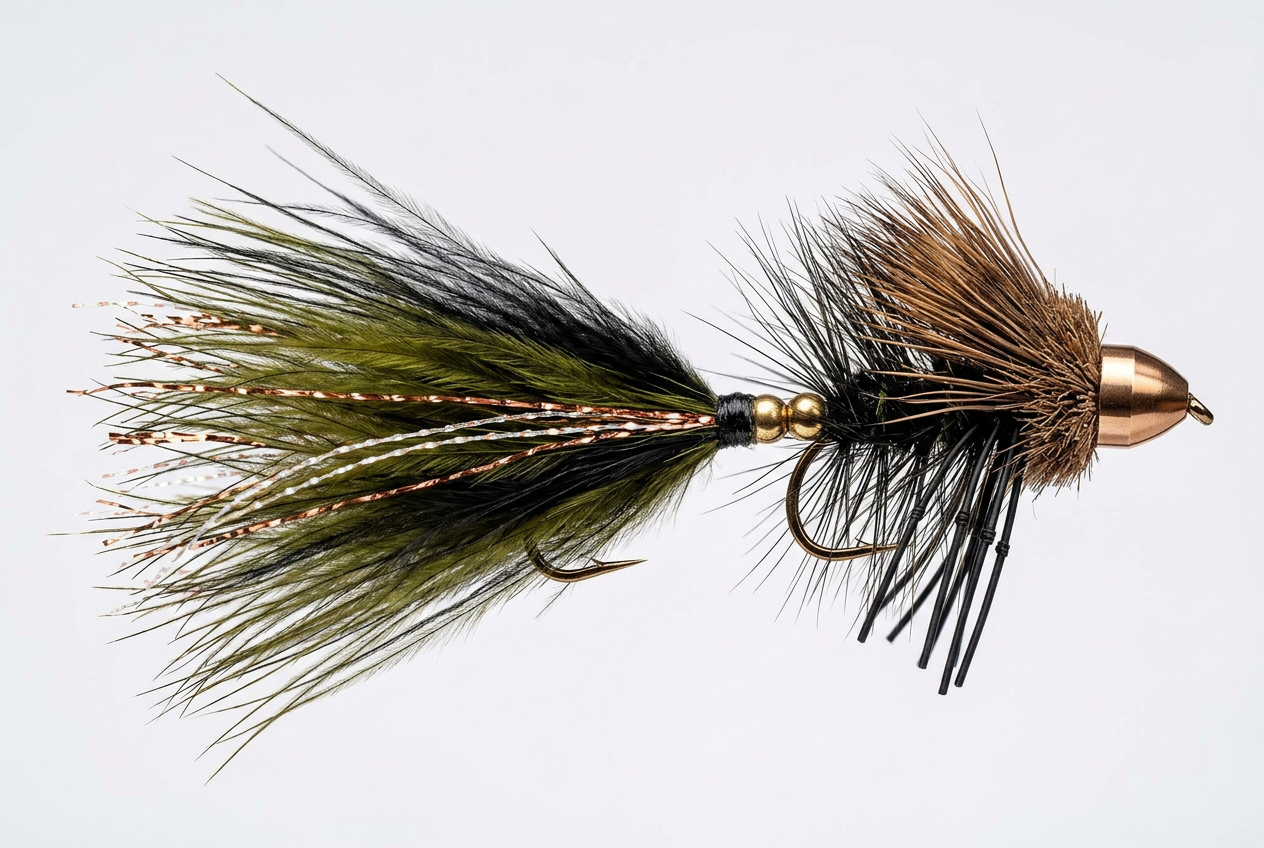
Big leech, large baitfish, generic predator-trigger profile
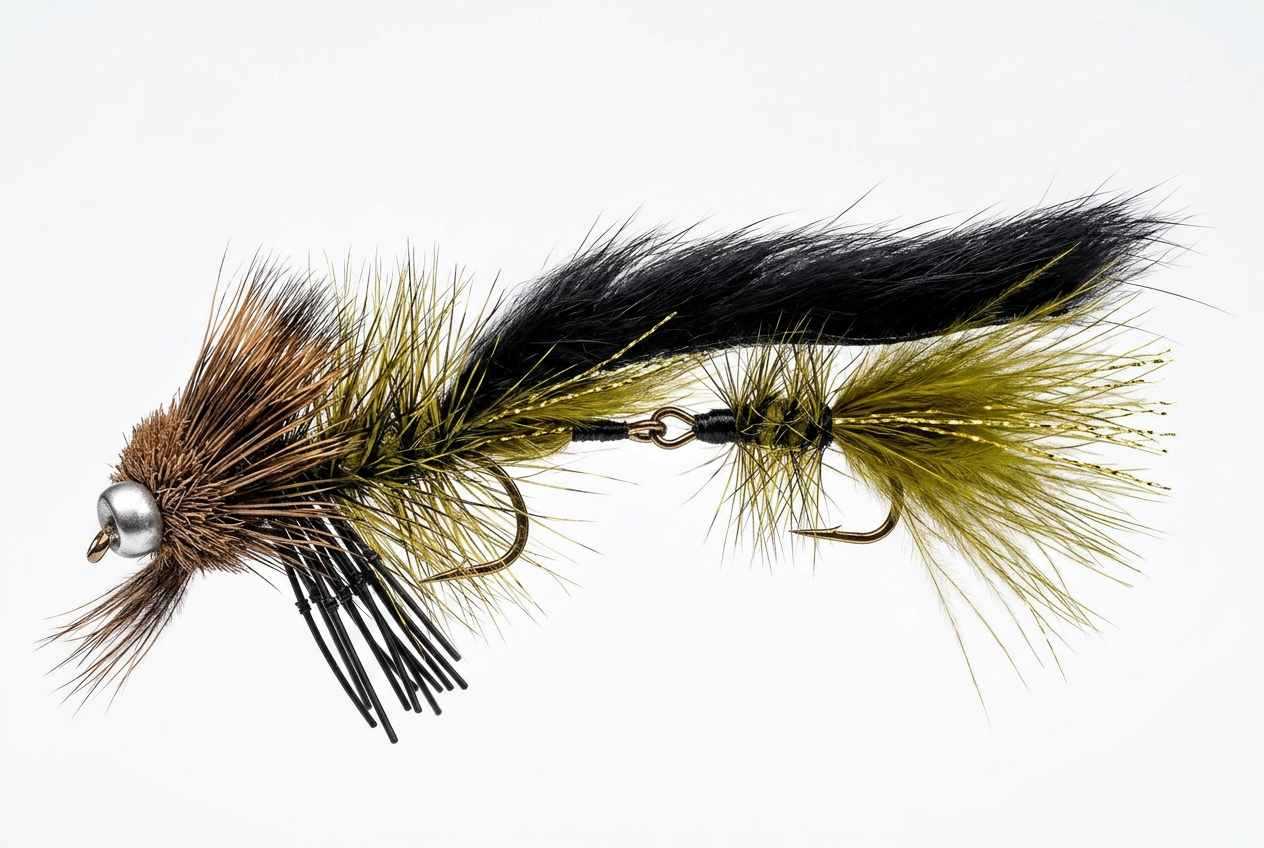
Sculpin, juvenile trout, large baitfish
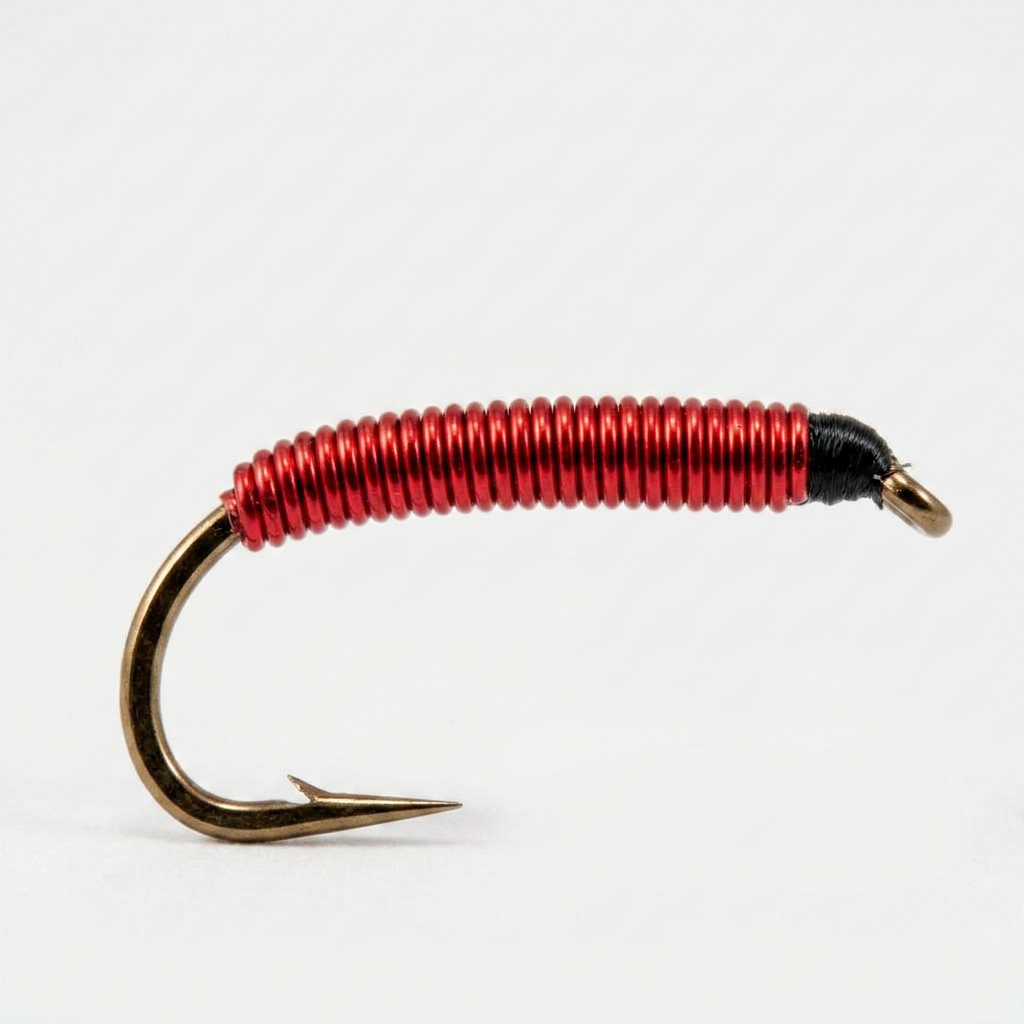
Aquatic worm, midge larva, generic high-water trigger
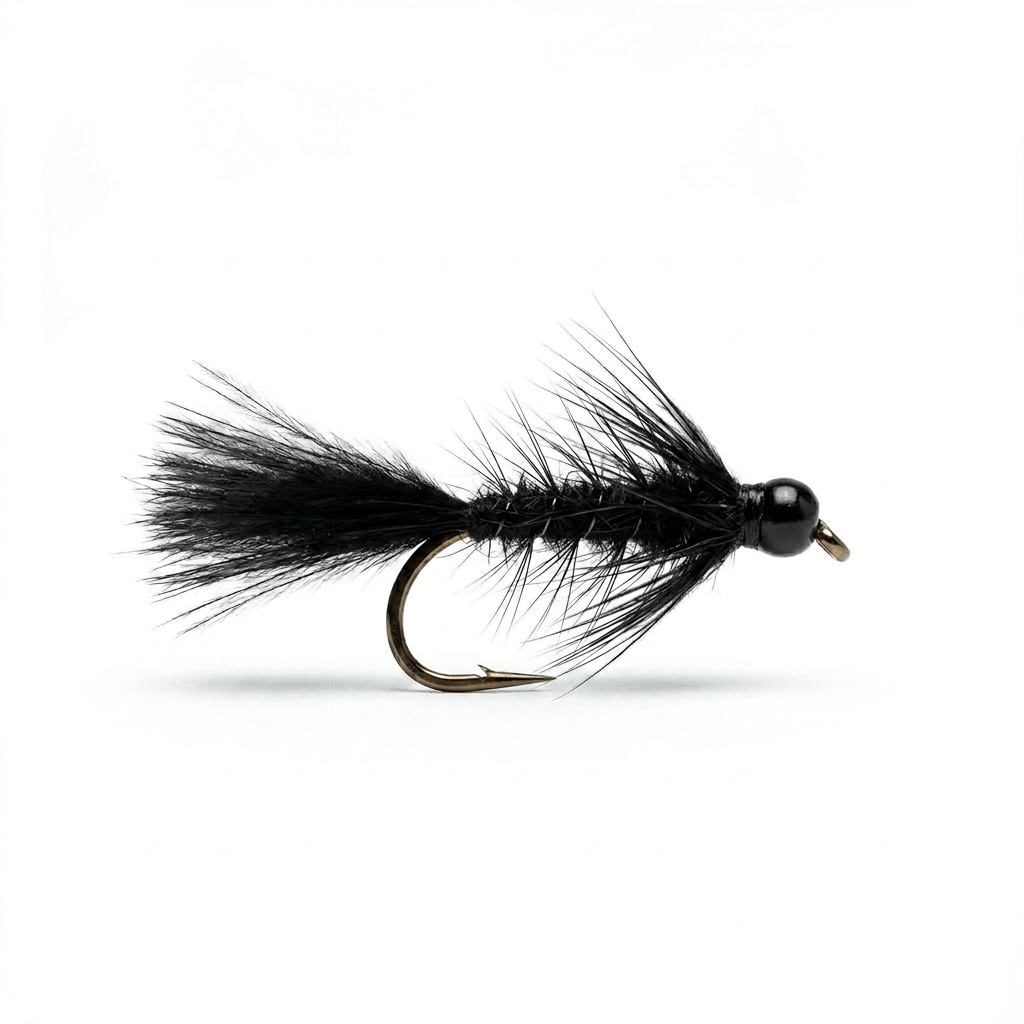
Small leech, juvenile baitfish, generic dark forage
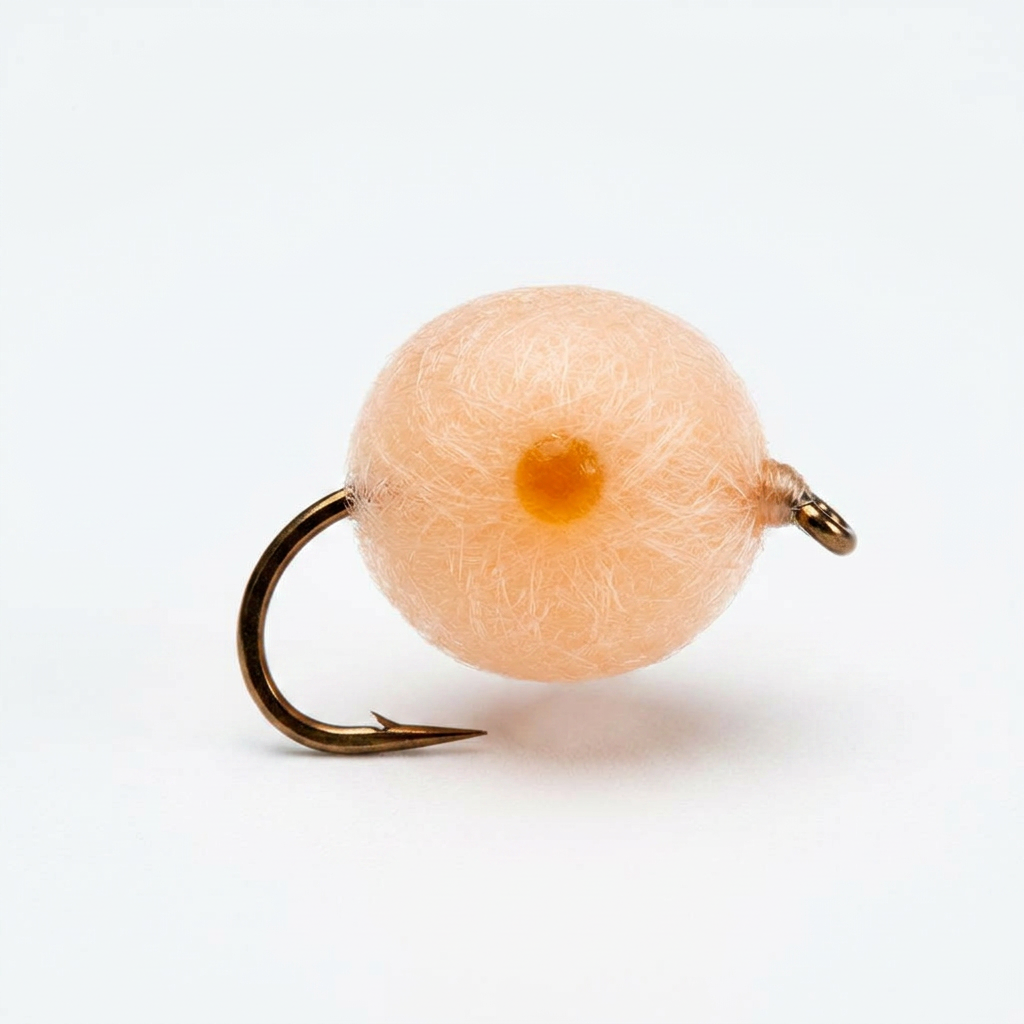
Trout, salmon, or steelhead egg
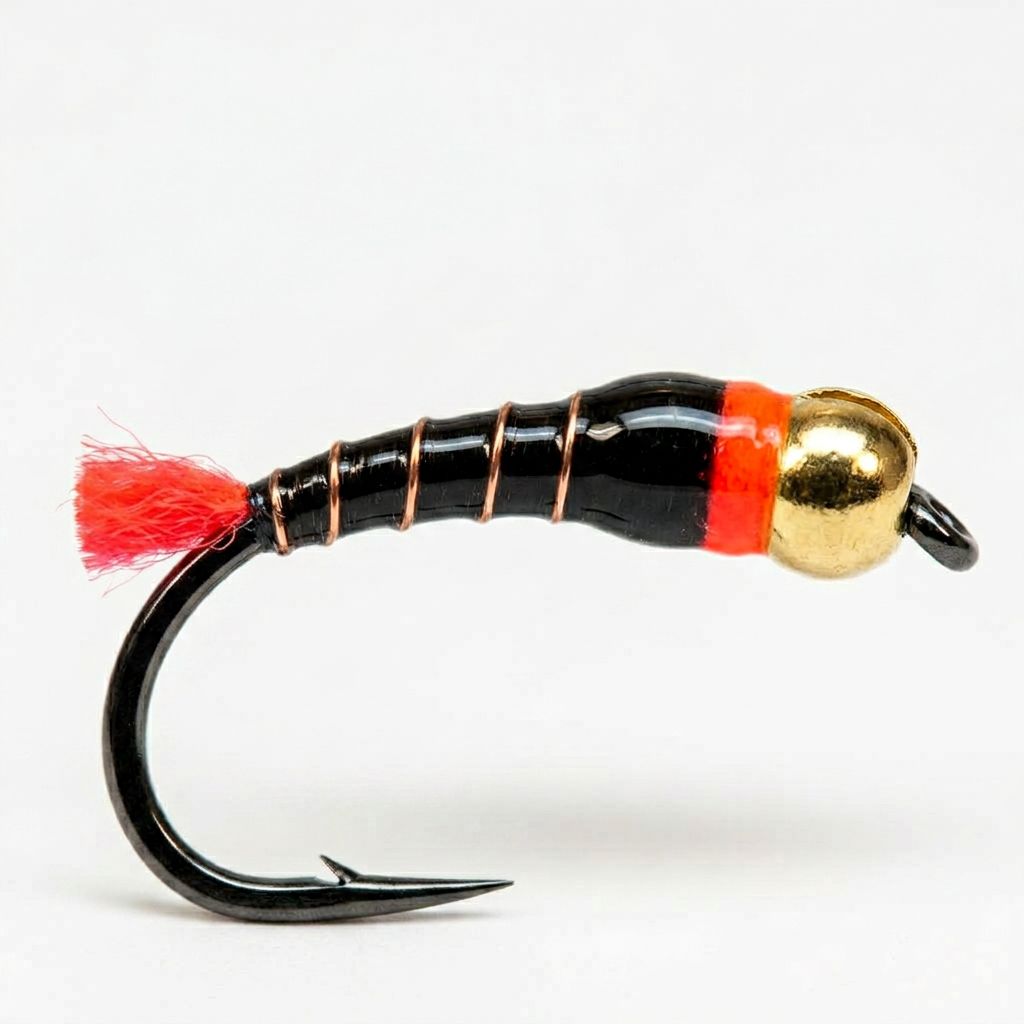
Mayfly nymph, midge larva, and hot-spot Euro attractor
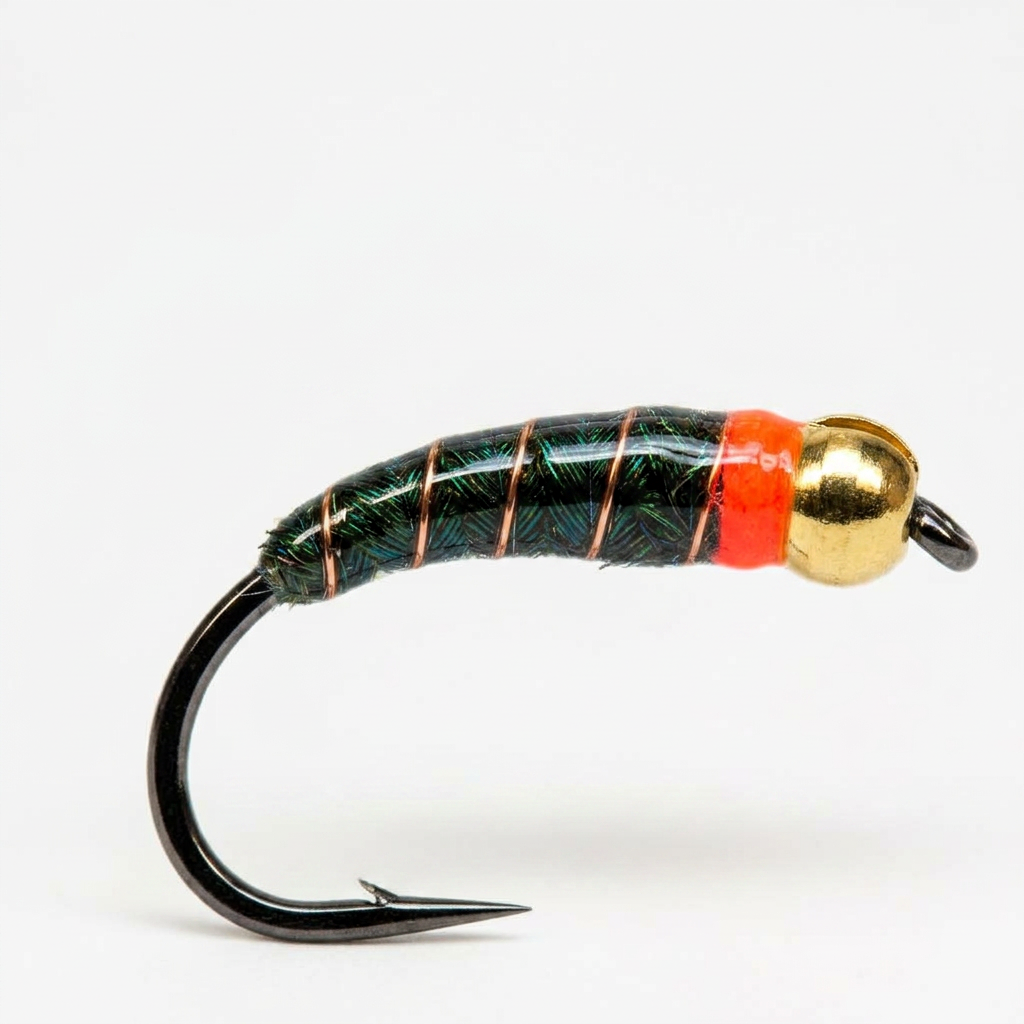
Mayfly nymph, midge larva, and flashy Euro attractor
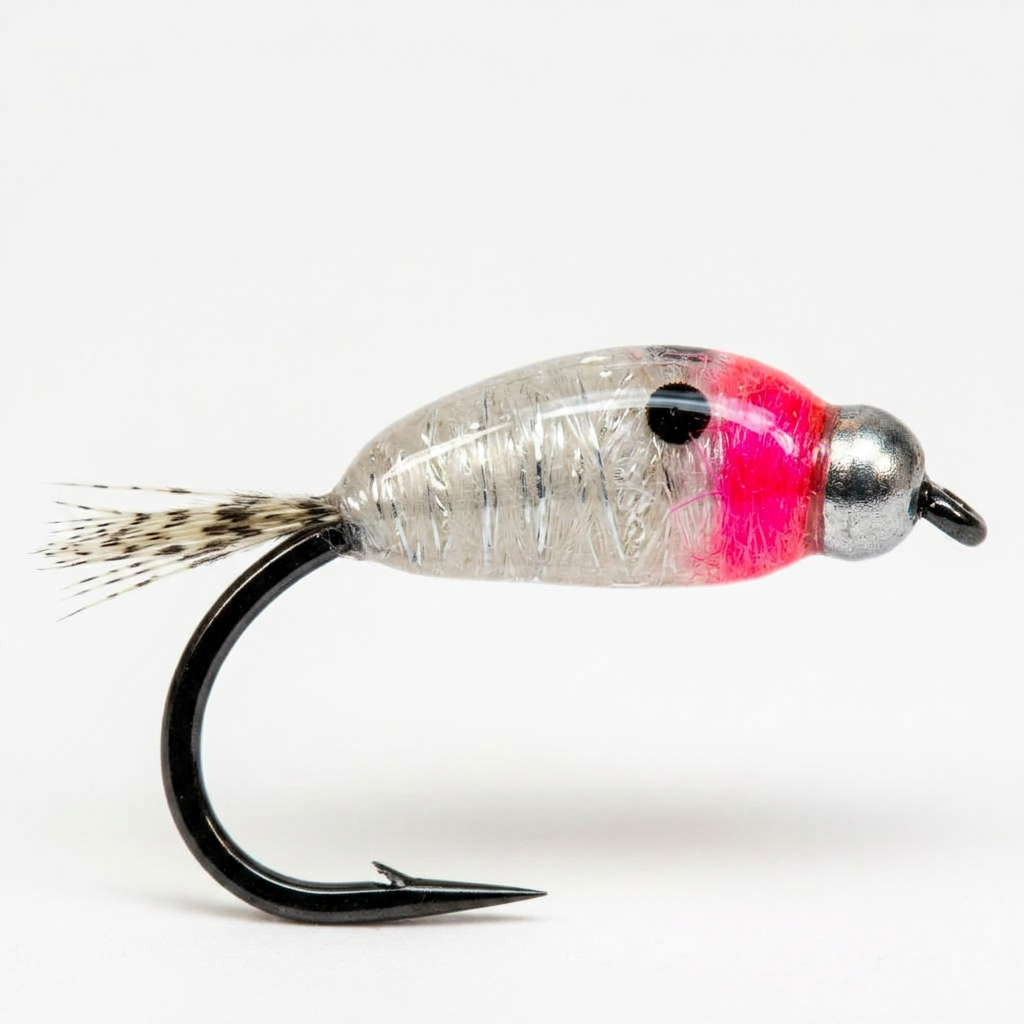
Tiny mayfly nymph, midge pupa, and generic slim bait
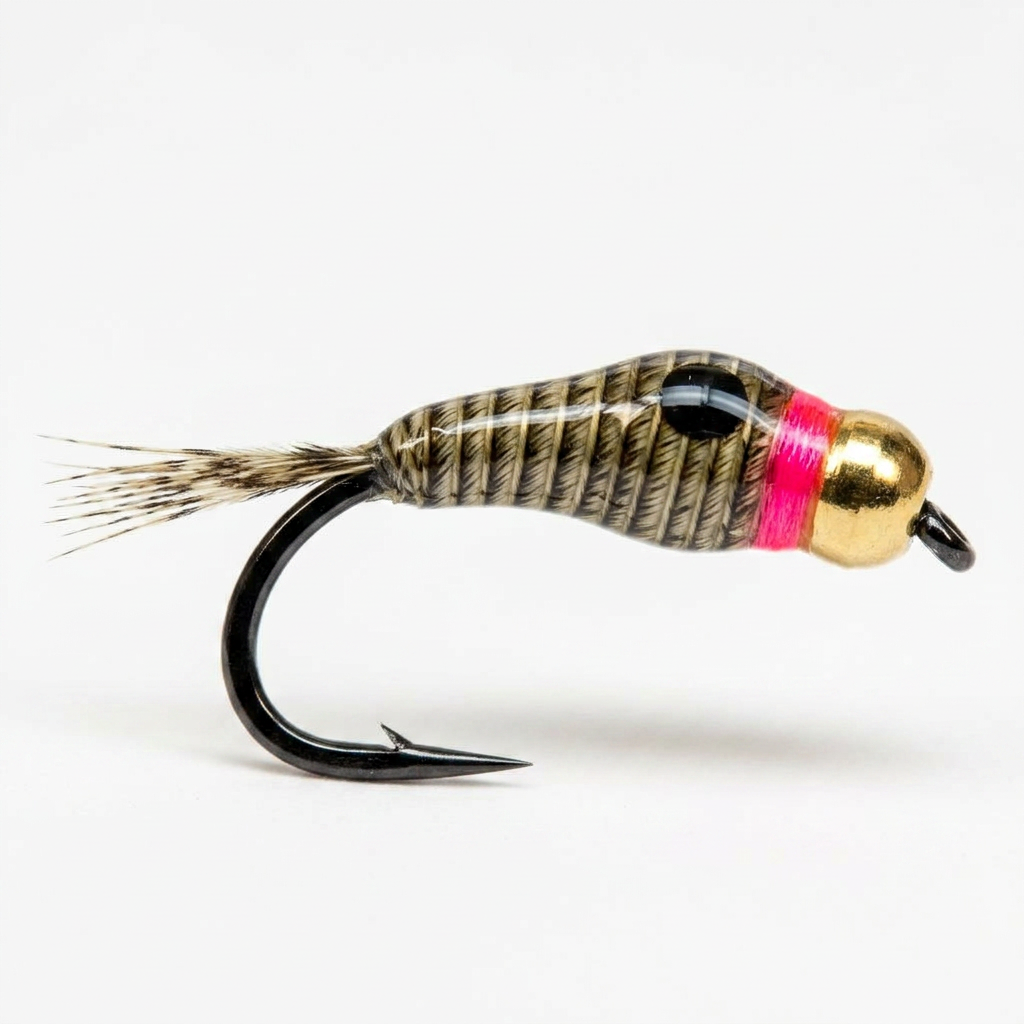
Mayfly nymph and slender emerging nymphs
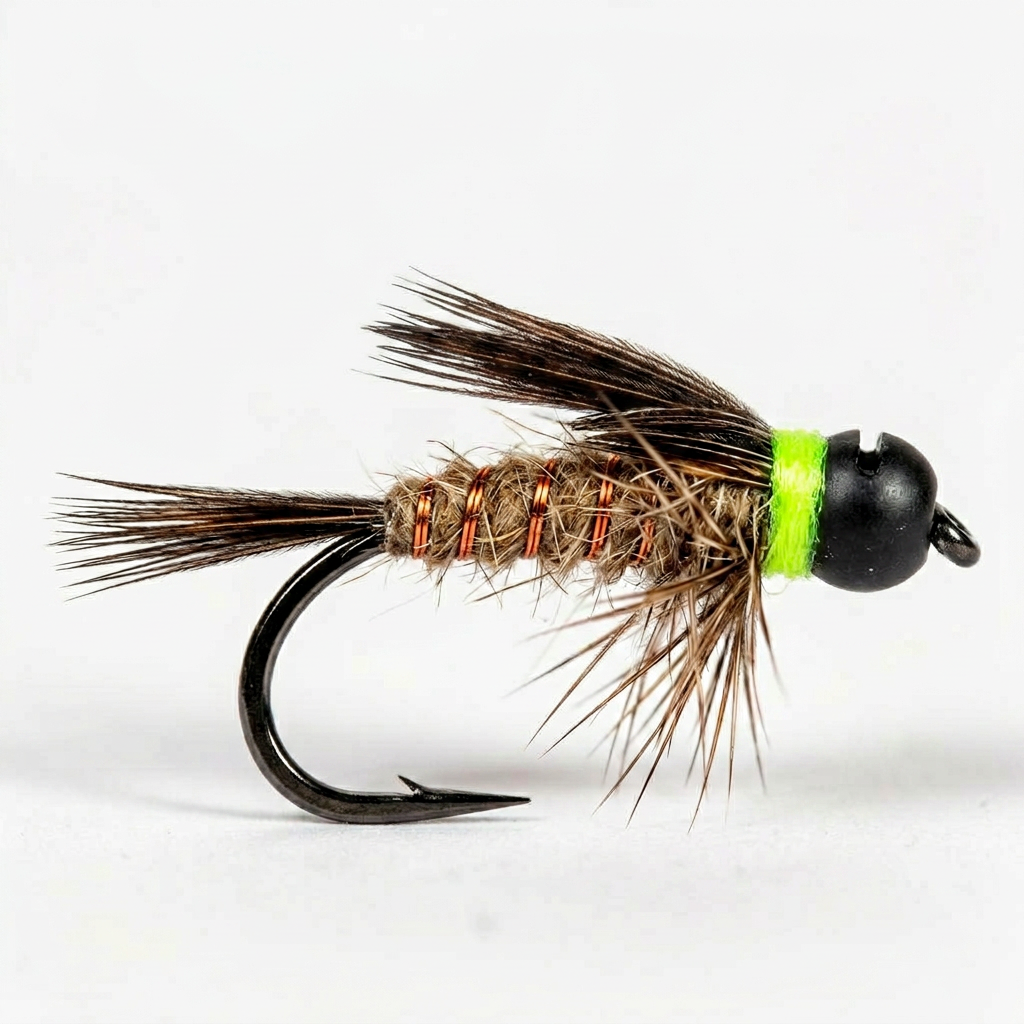
Large mayfly nymph, stonefly nymph, and general searching nymph
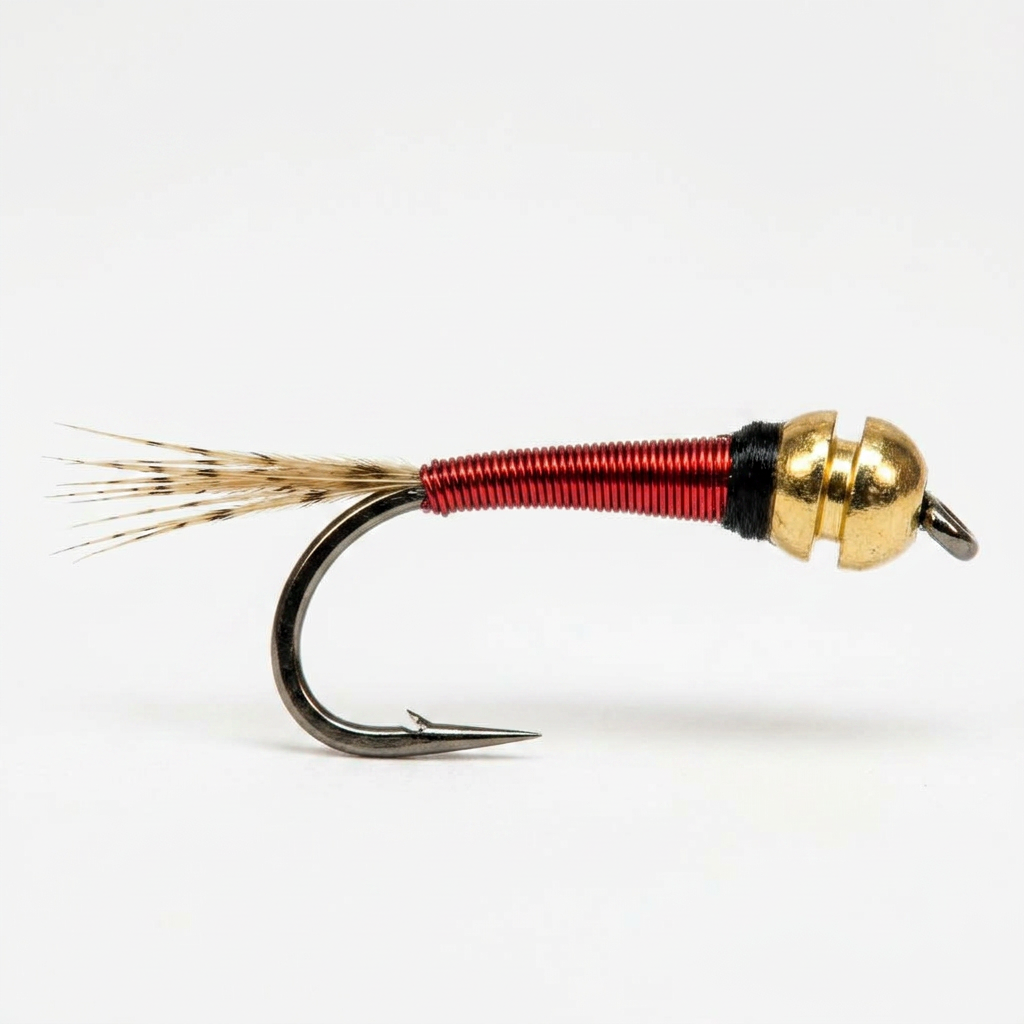
Midge larva, small worm, and Euro attractor nymph
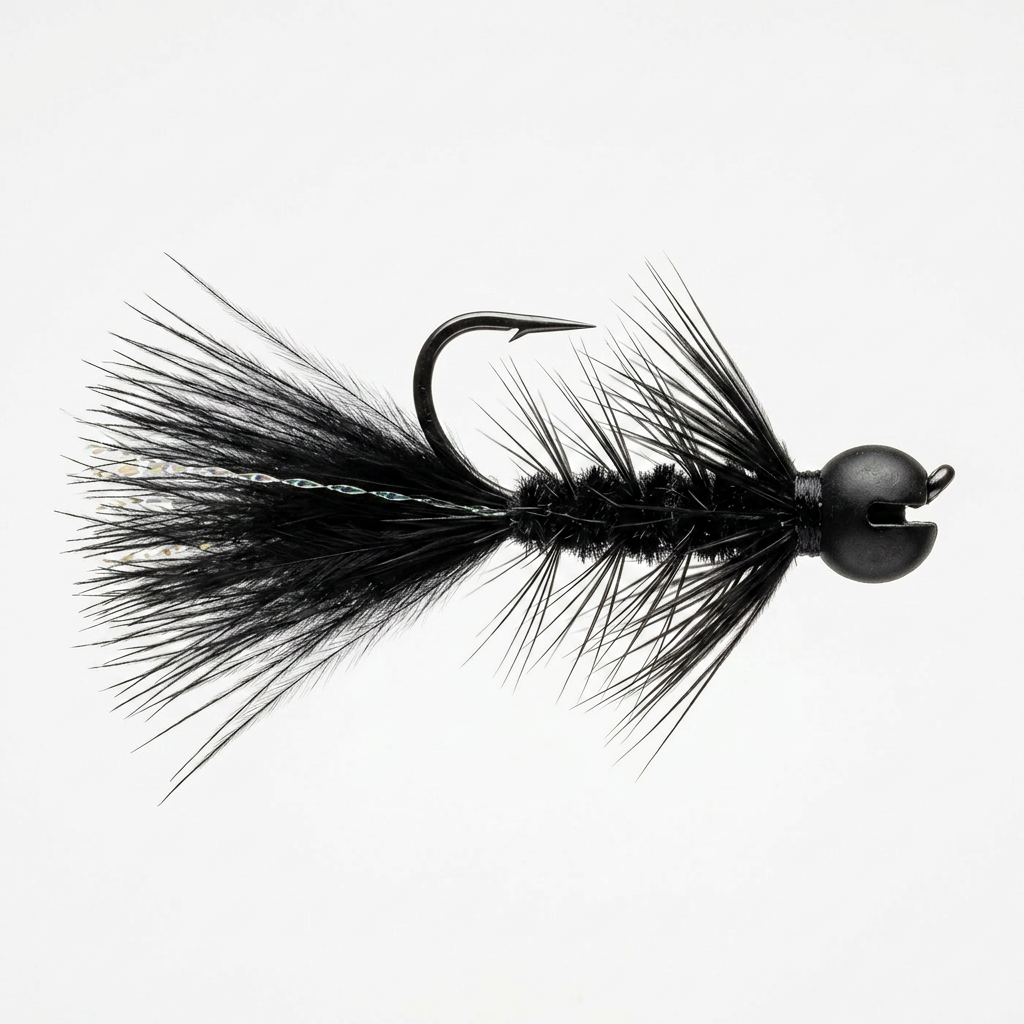
Leech, baitfish, and large aquatic nymphs
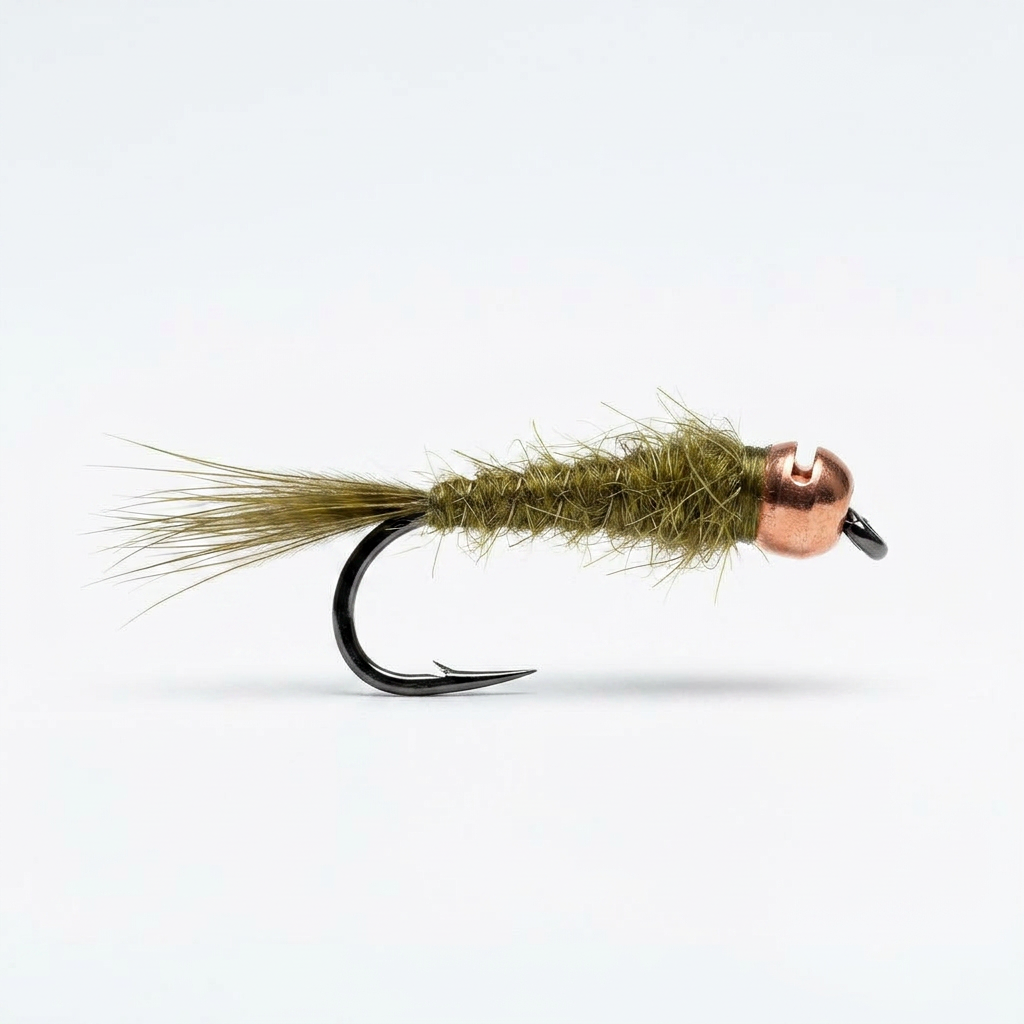
Small leech and tiny baitfish
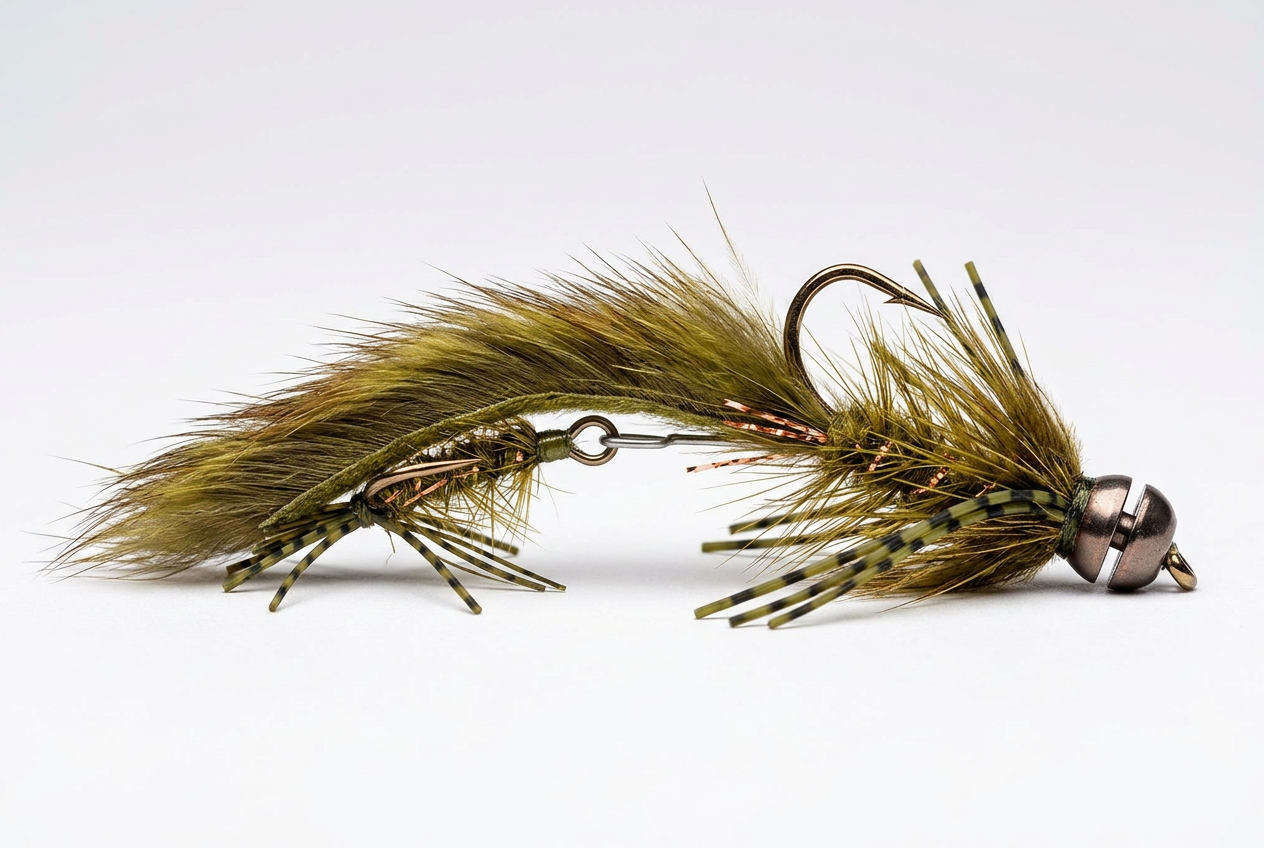
Sculpin, baitfish, and compact articulated preyfish
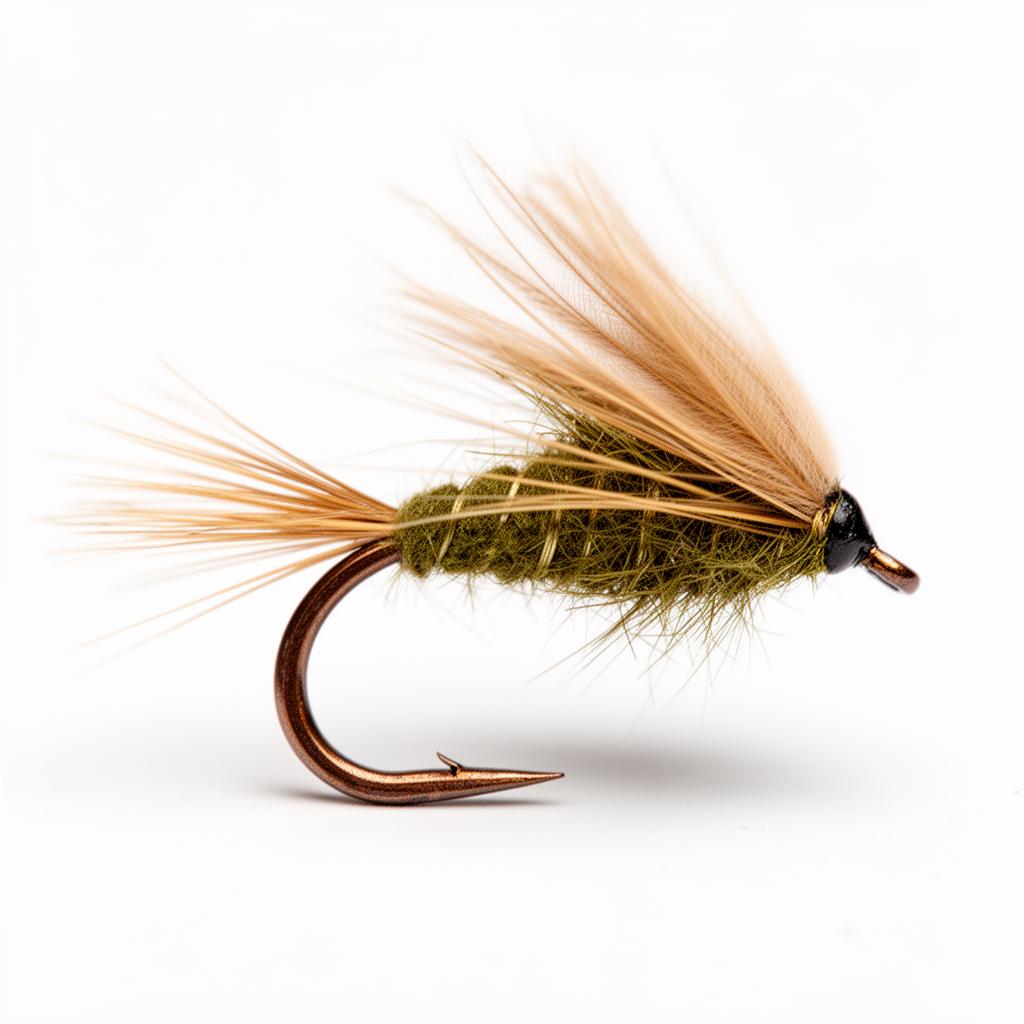
Adult caddis
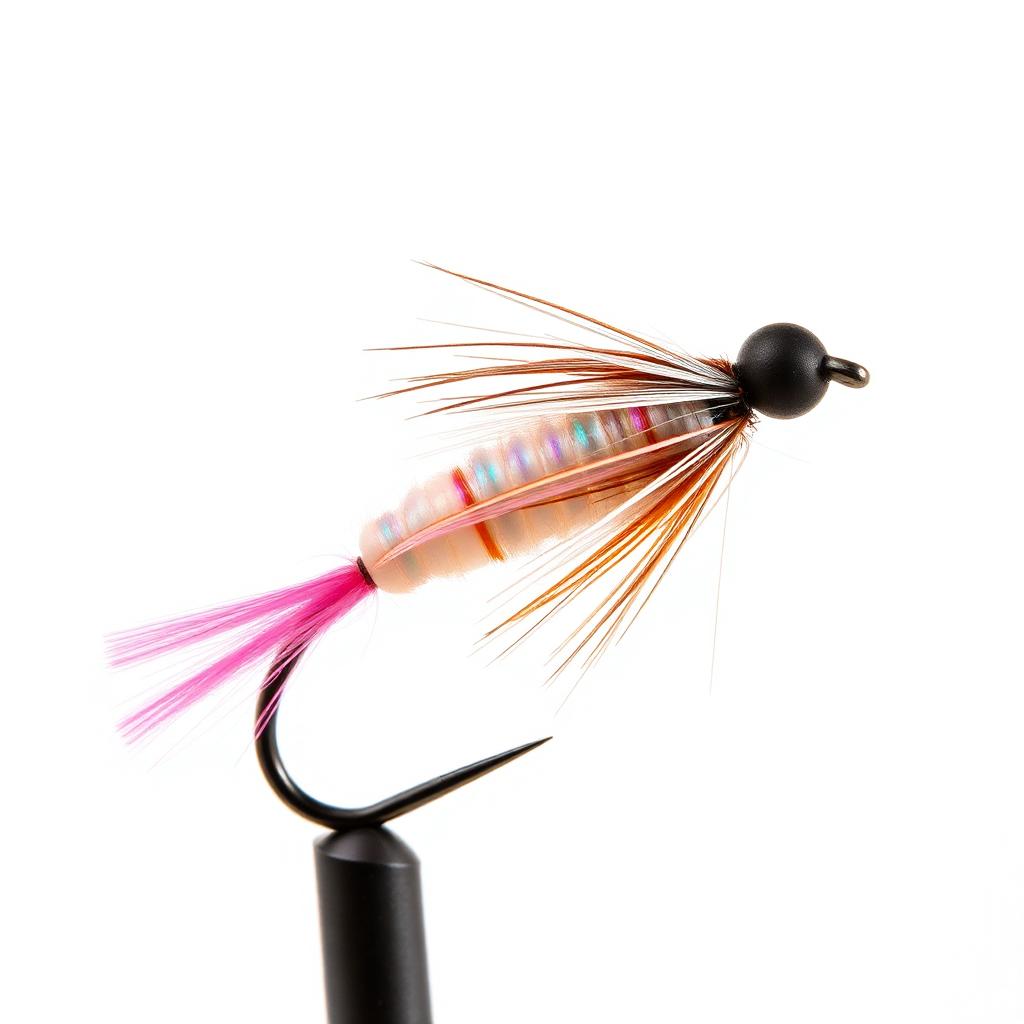
Generic mayfly nymph and small attractor food forms
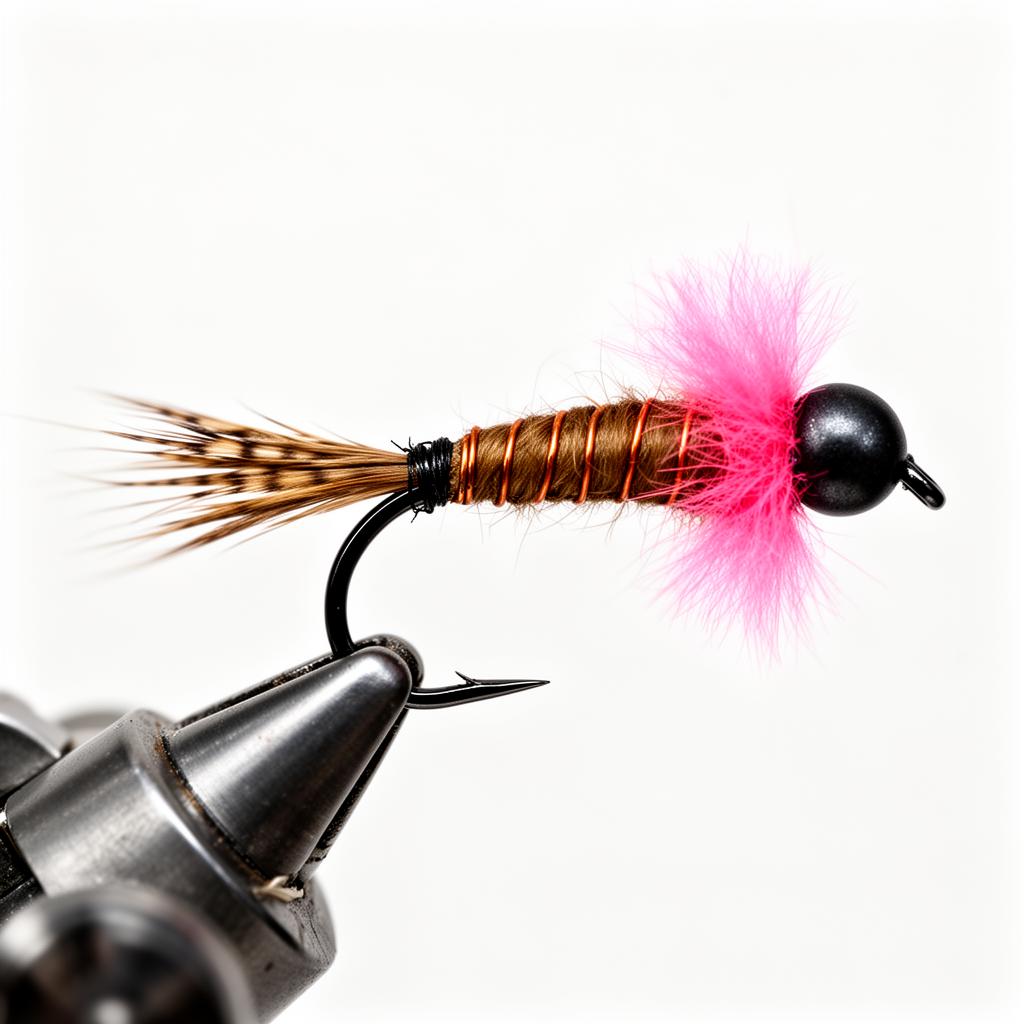
Generic mayfly nymph with a hot-spot trigger
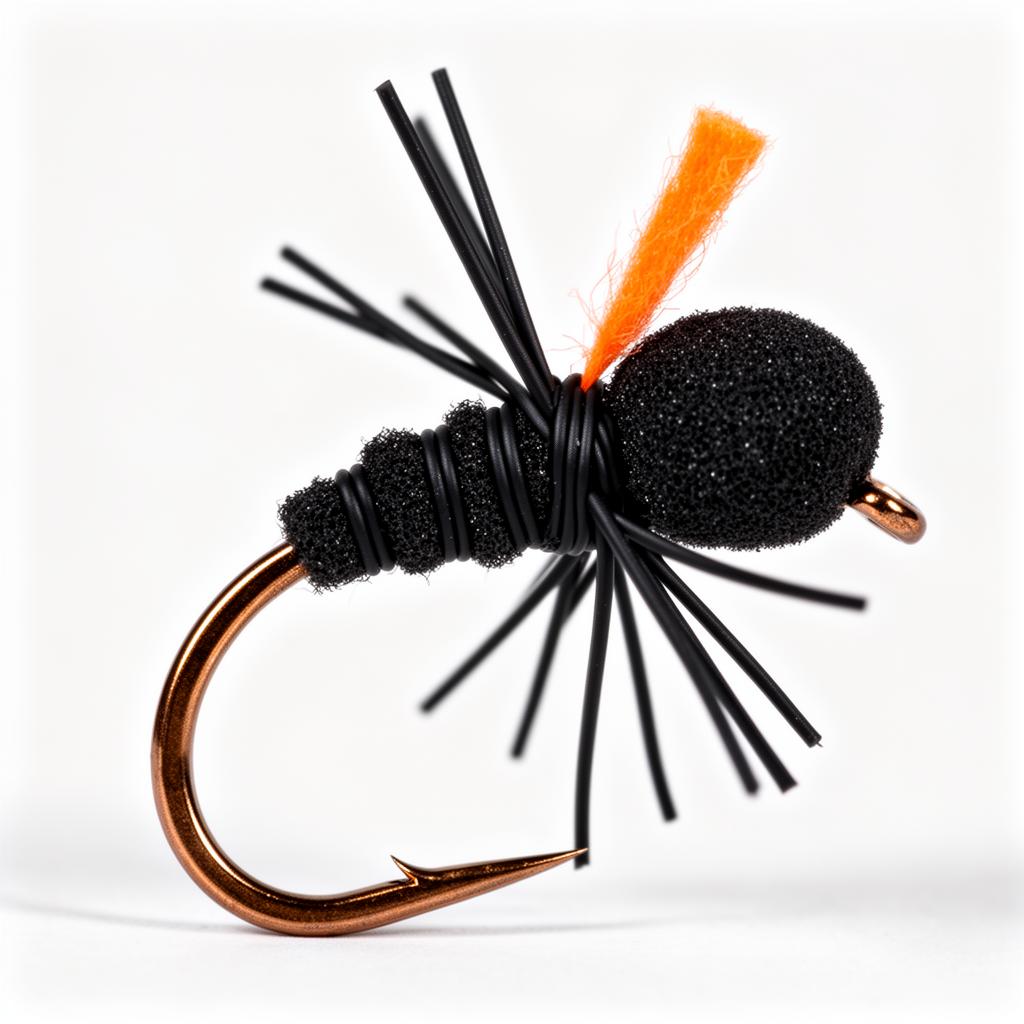
Adult ant and small terrestrial
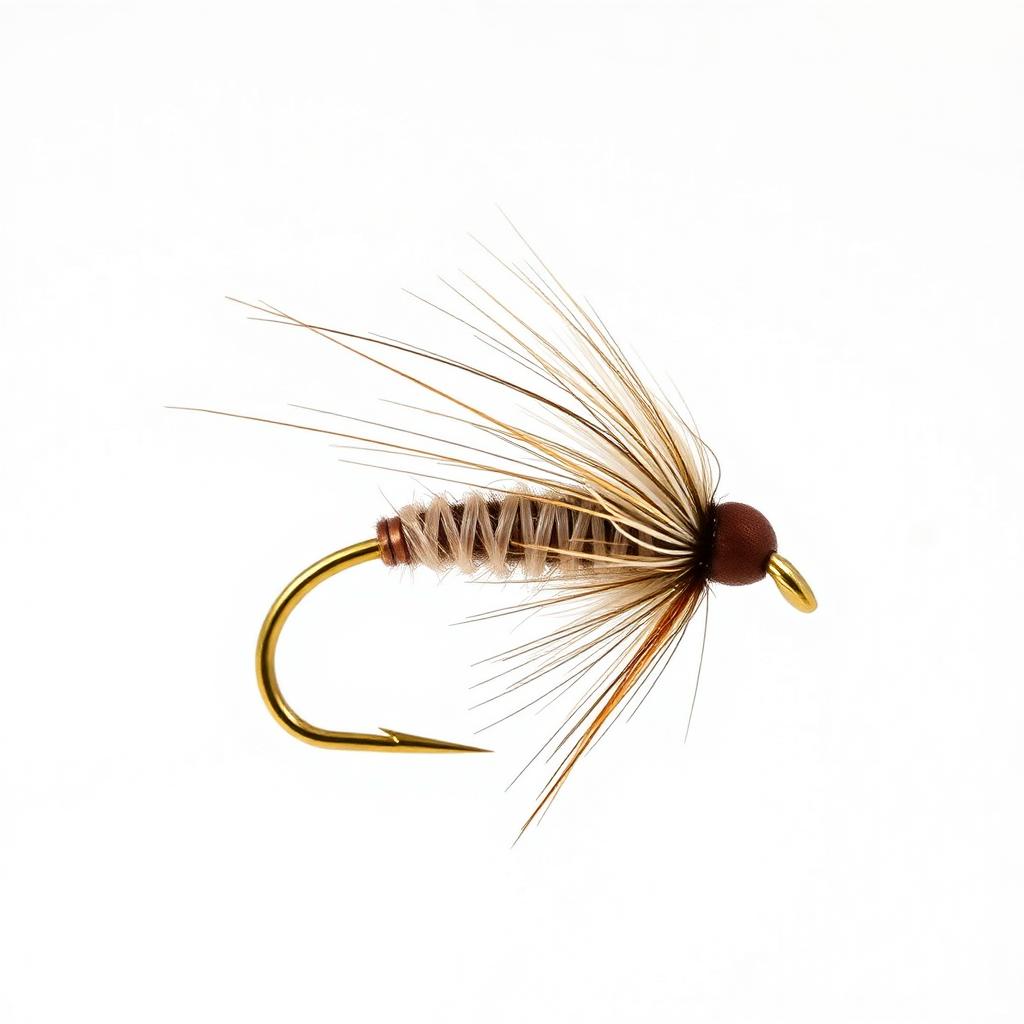
Emerging mayfly and soft-hackle nymph
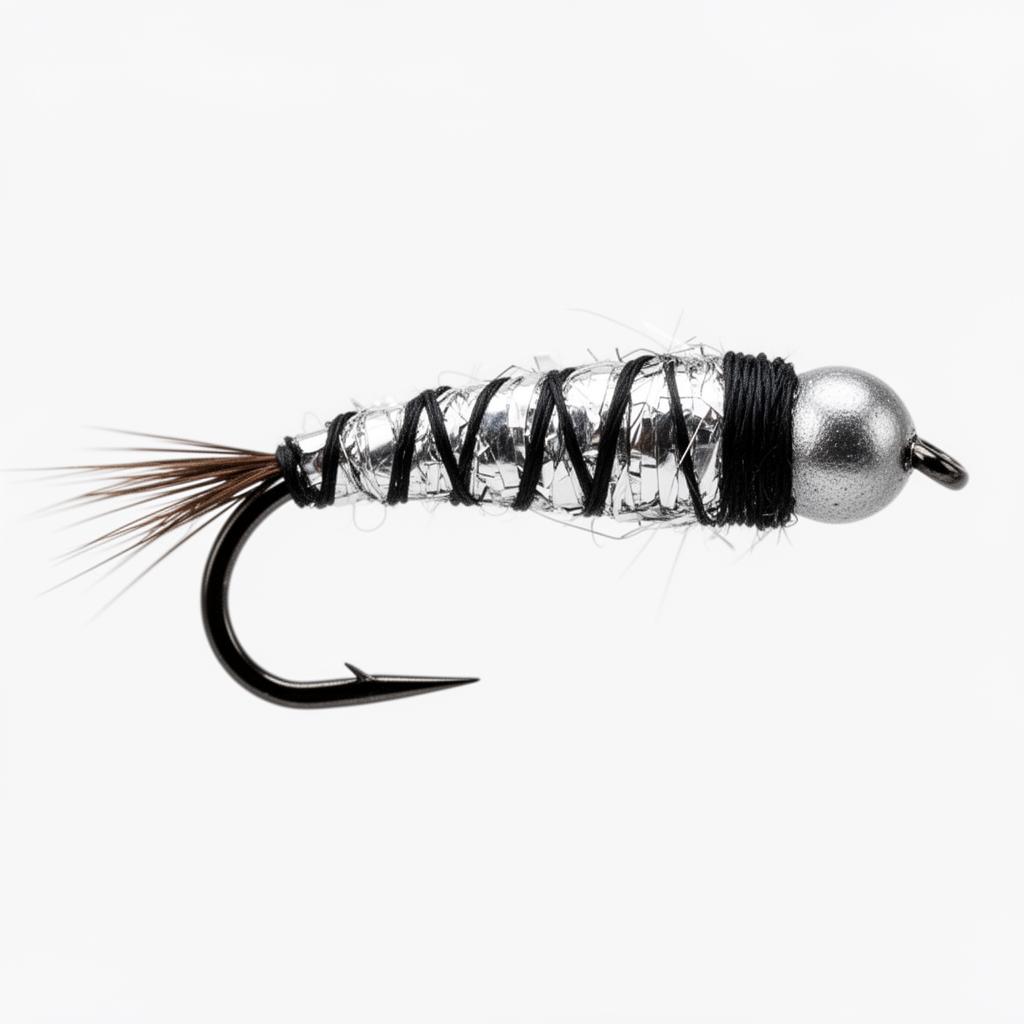
Tiny baitfish, midge pupa, and Euro attractor nymph
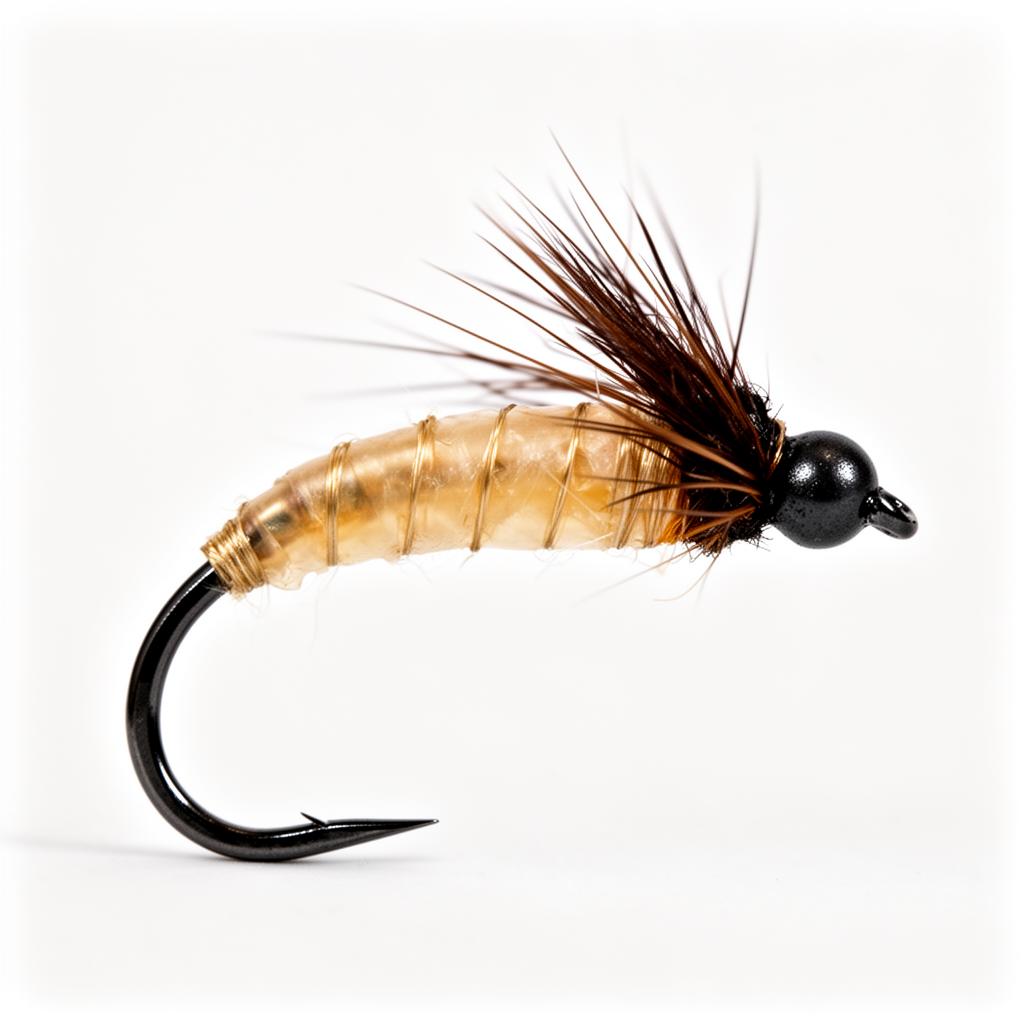
Caddis larva and free-living caseless caddis
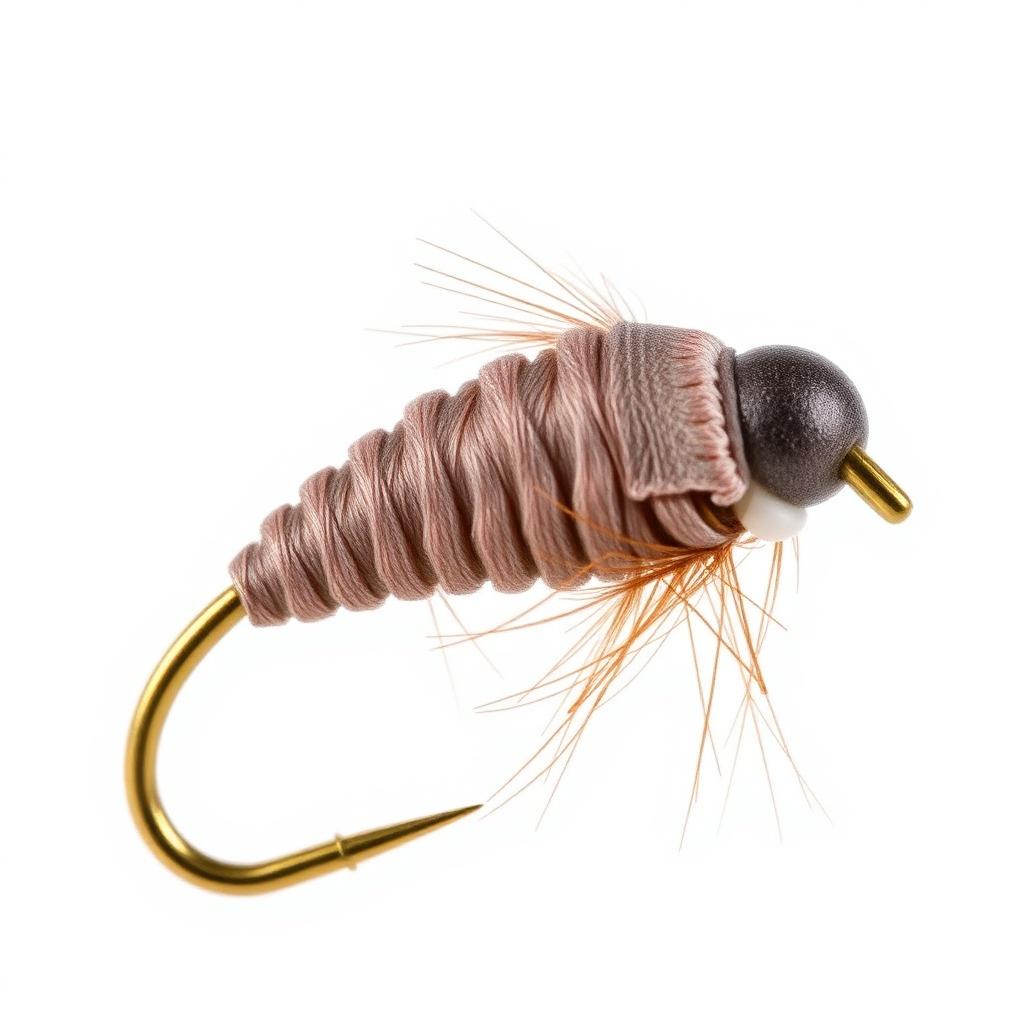
Aquatic sowbug (Asellus)
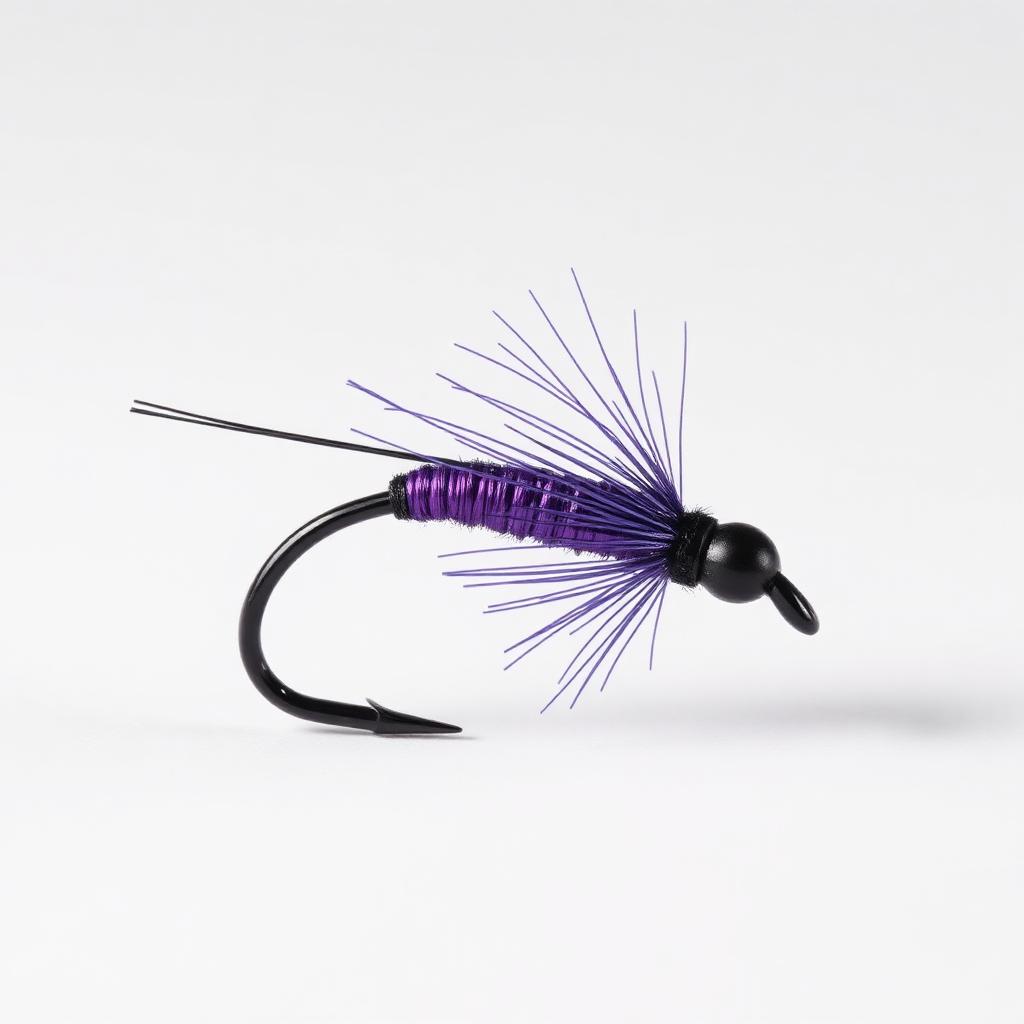
Slim mayfly nymph and Euro attractor
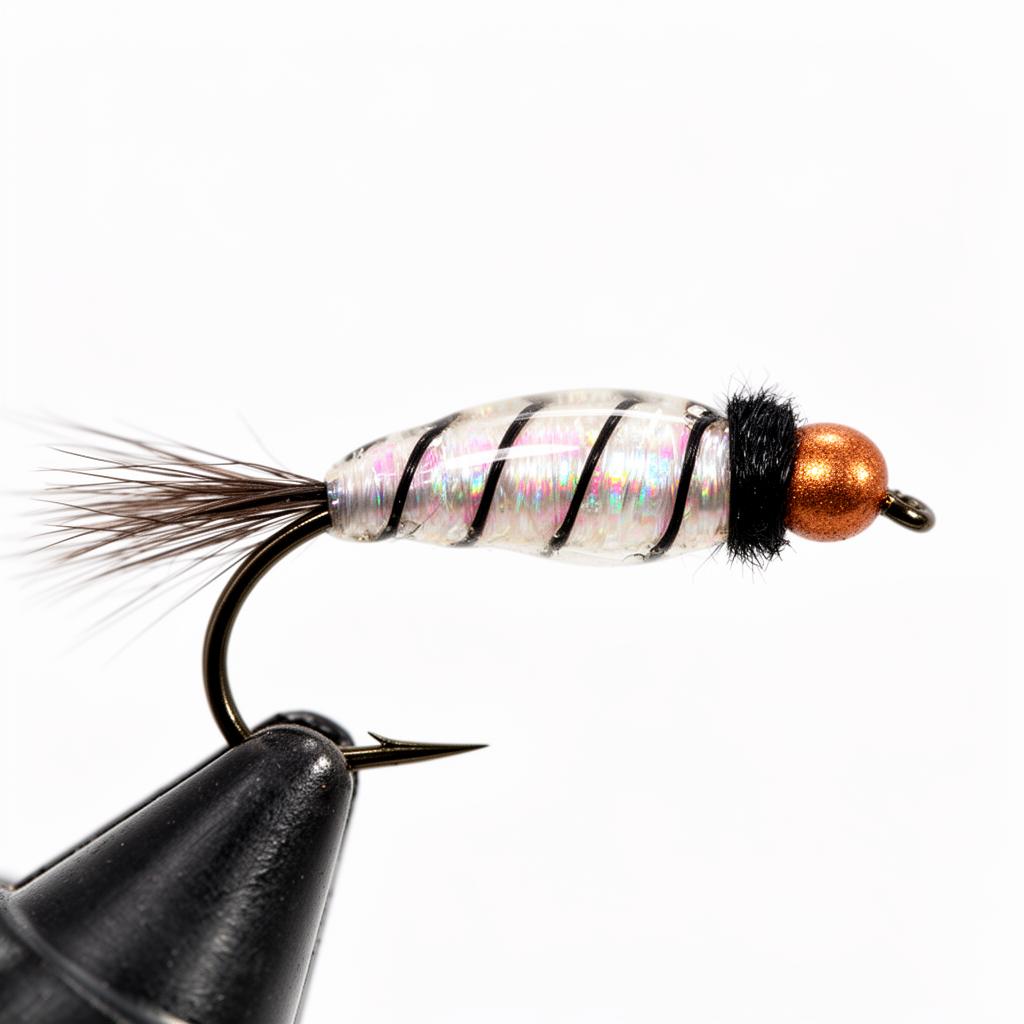
Mayfly nymph attractor and slim Euro nymph
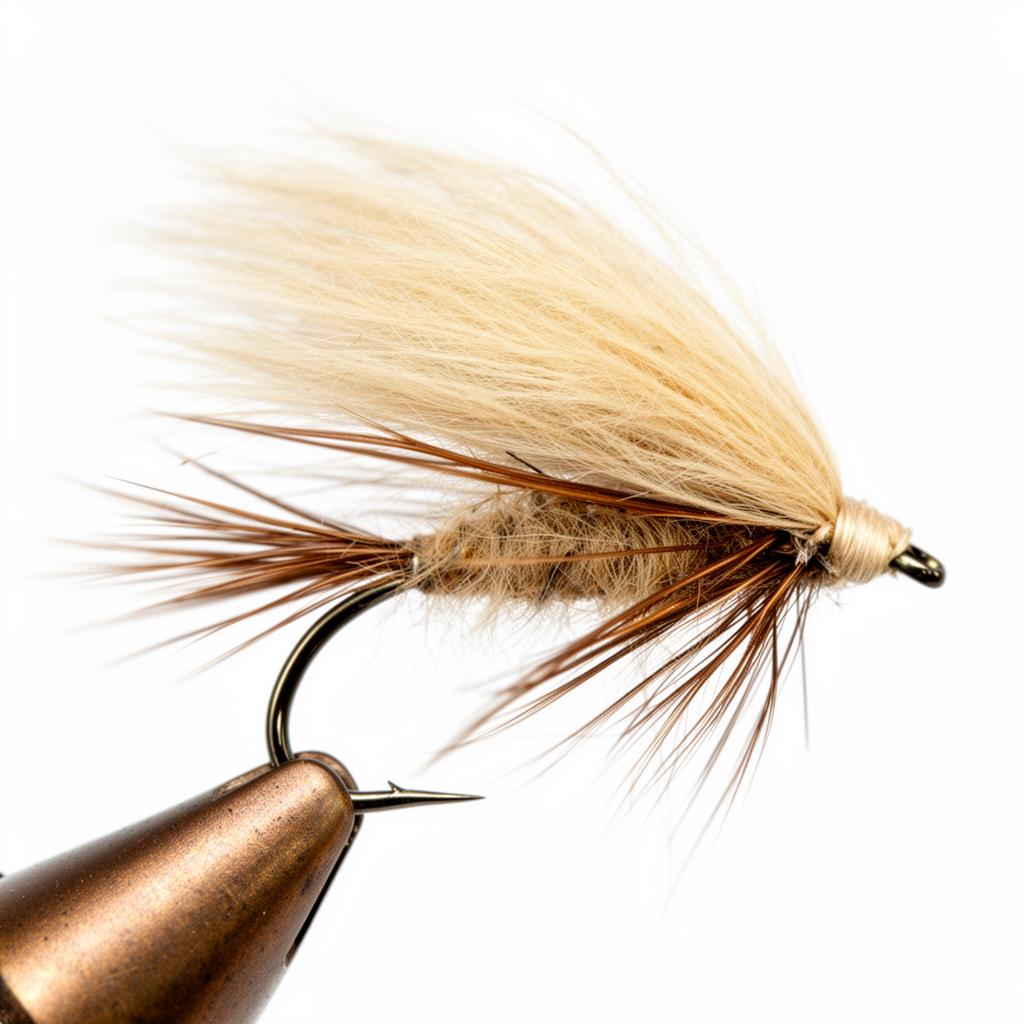
Adult spruce moth (Choristoneura) and large tan caddis
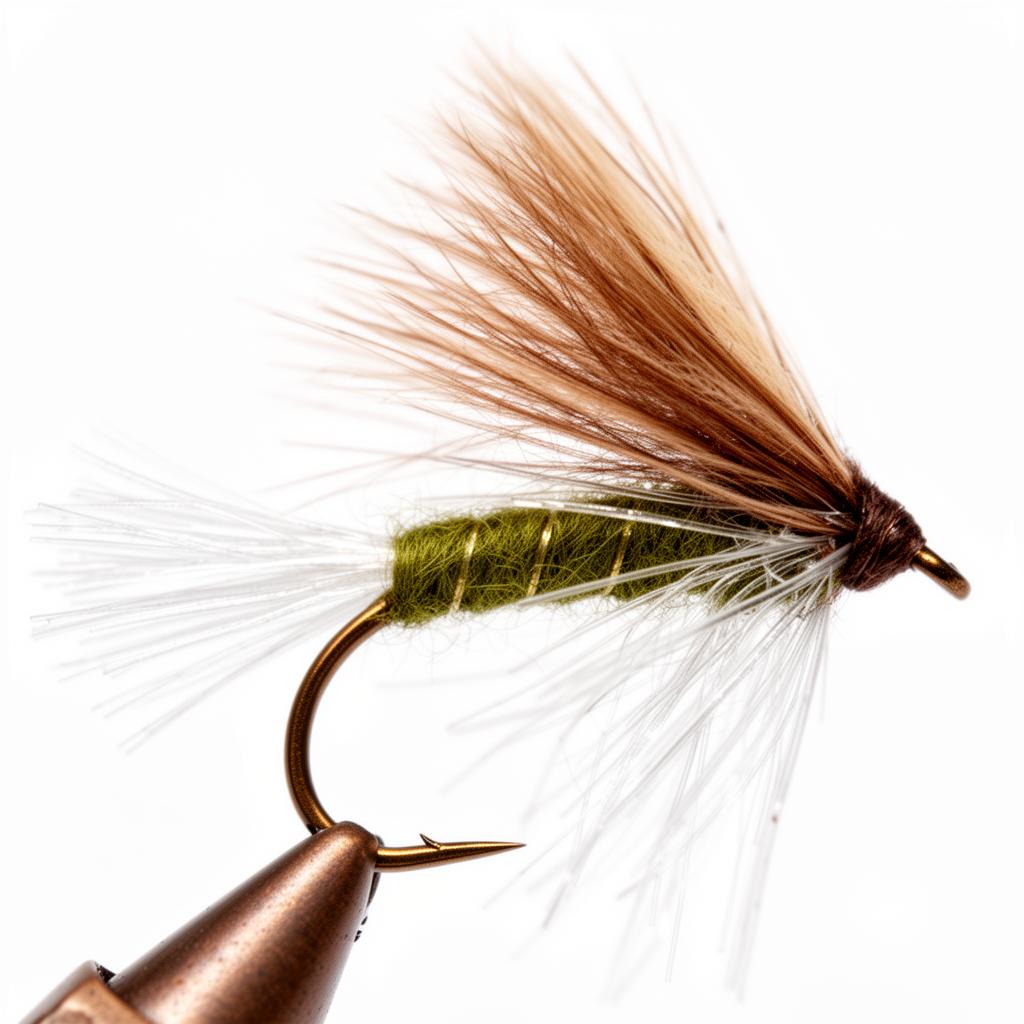
Emerging caddis or mayfly trapped in its pupal/nymphal shuck
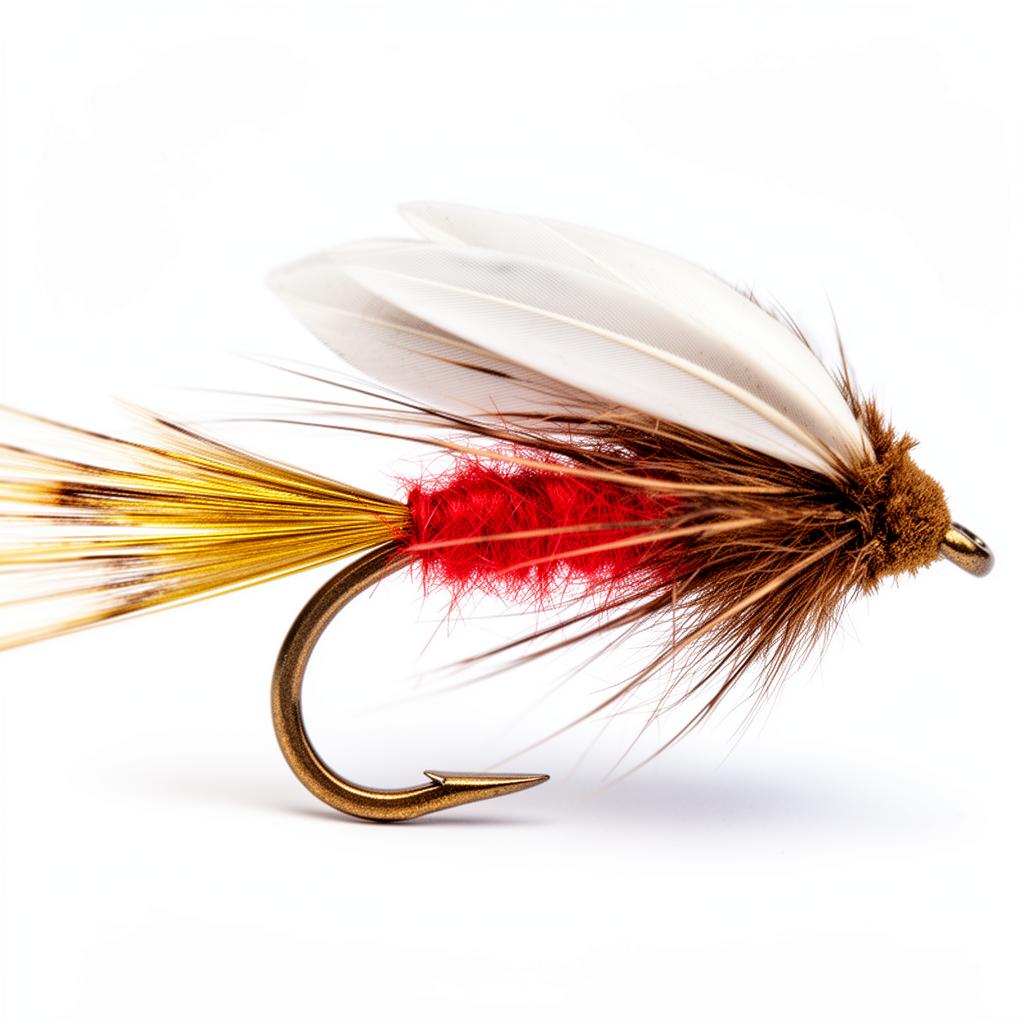
Attractor — no specific natural; a flashy general invitation
Emerging mayfly, drowned adult, or generic active nymph
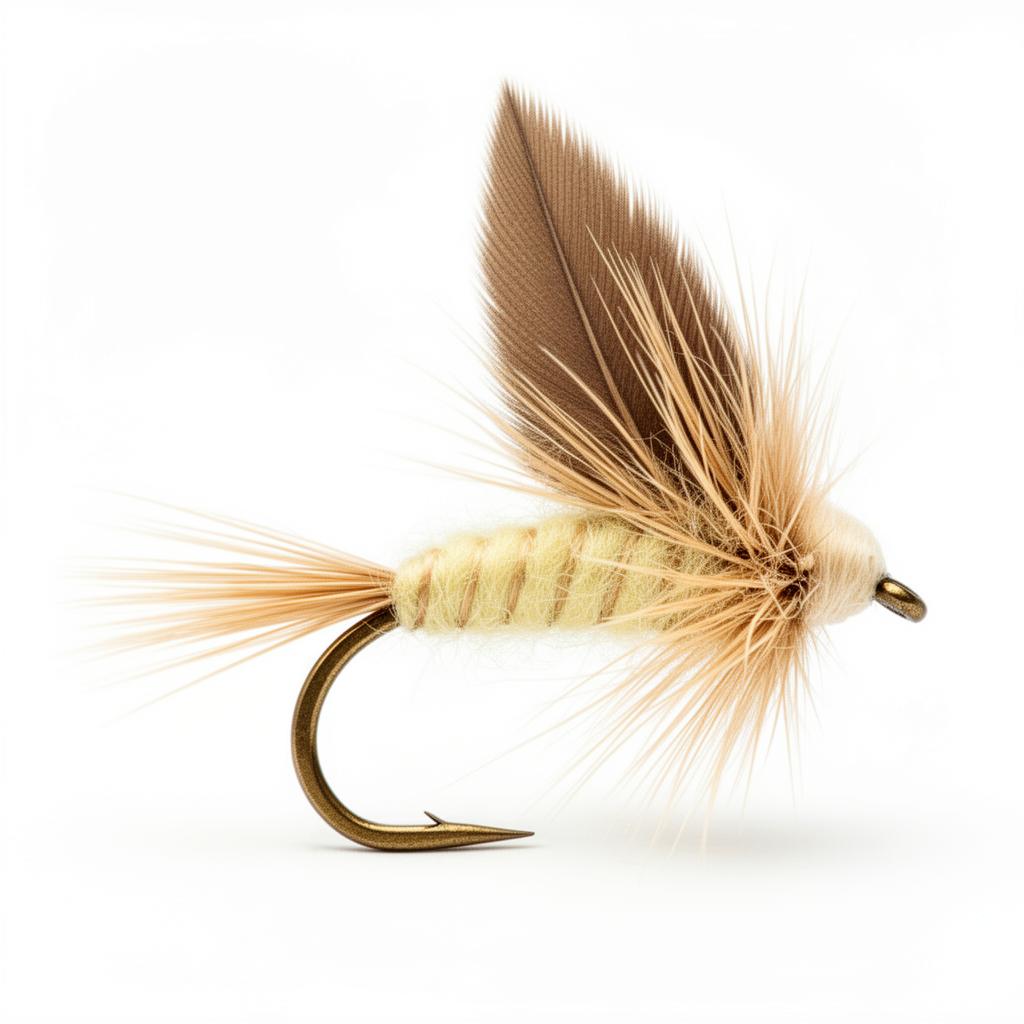
Pale evening mayfly duns (Stenacron, Stenonema, light sulphurs)
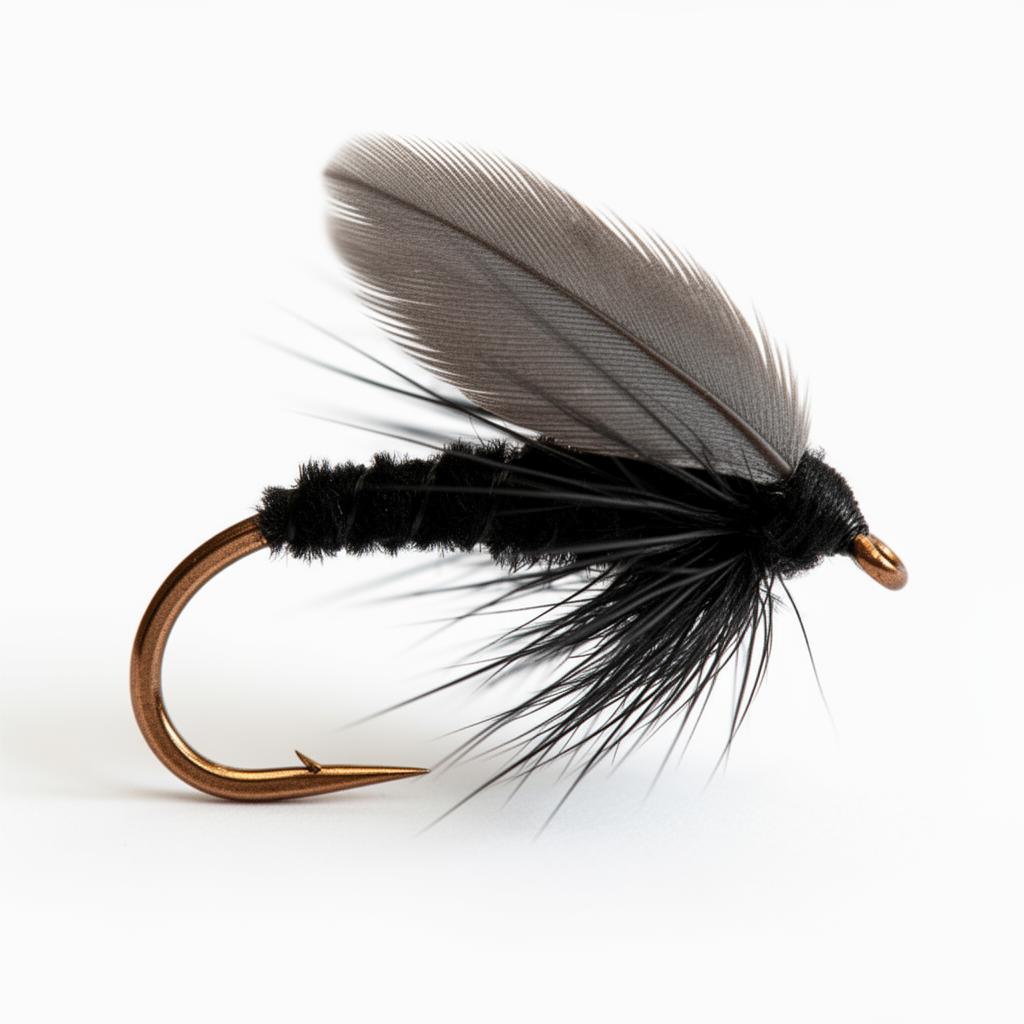
Small black terrestrials, midges, and dark caddis adults
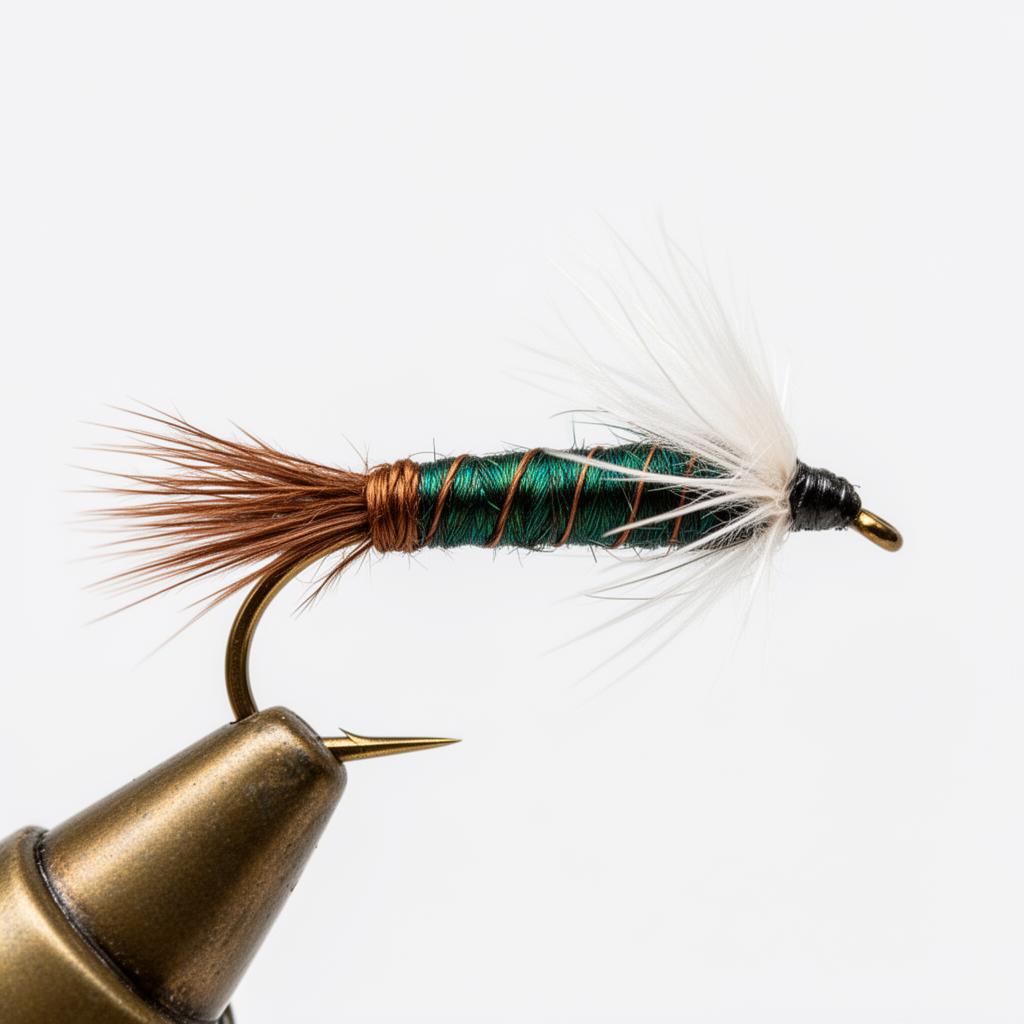
Attractor — small dark hatching insects, midge clusters, terrestrials
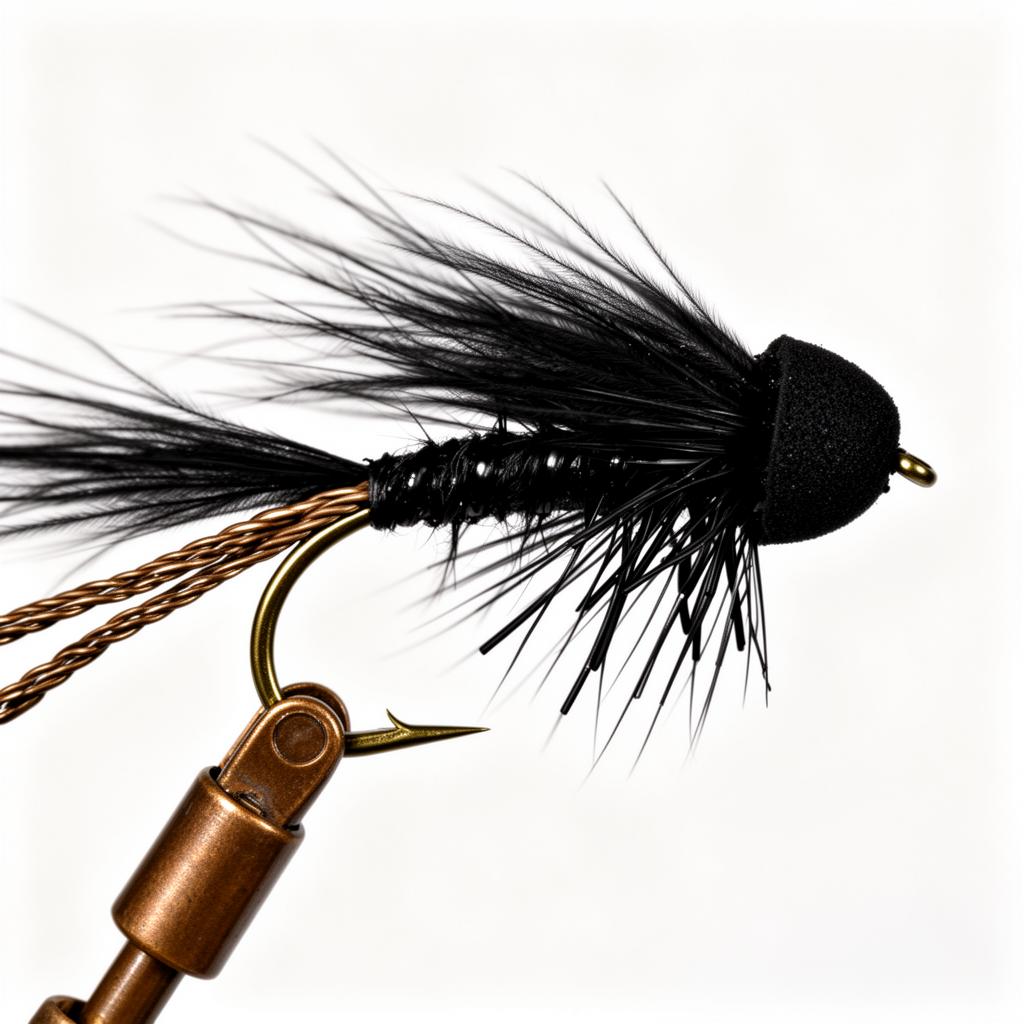
Large baitfish, sculpin, or simply a big intimidating meal
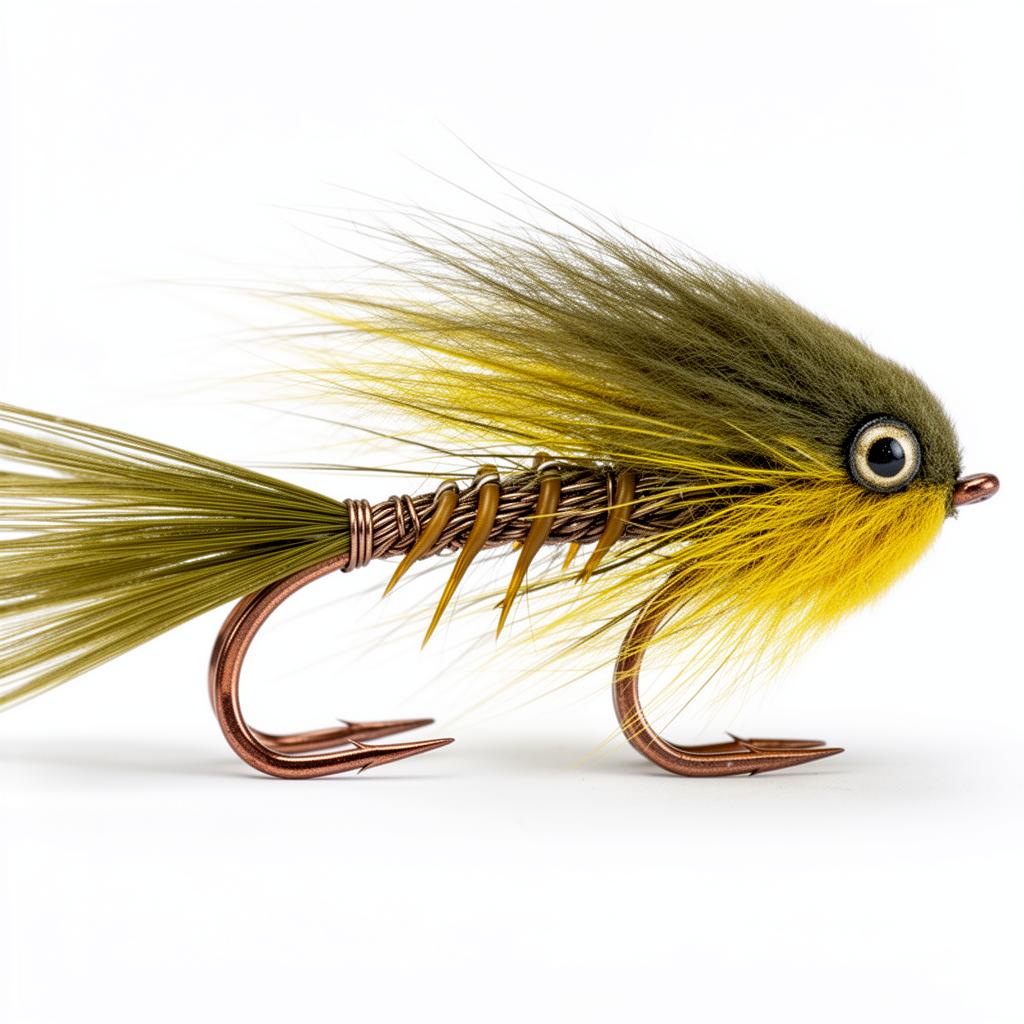
Sculpin and large baitfish
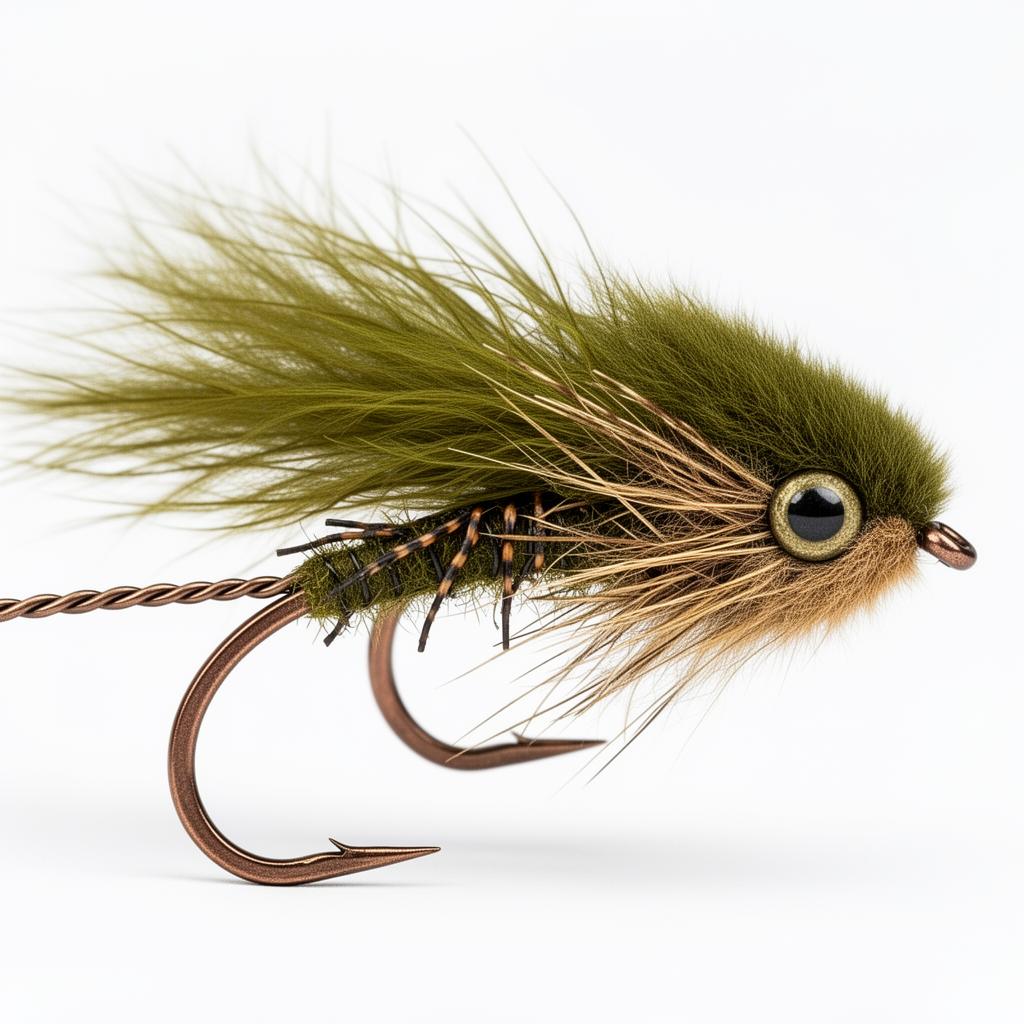
Mid-size baitfish and small sculpin
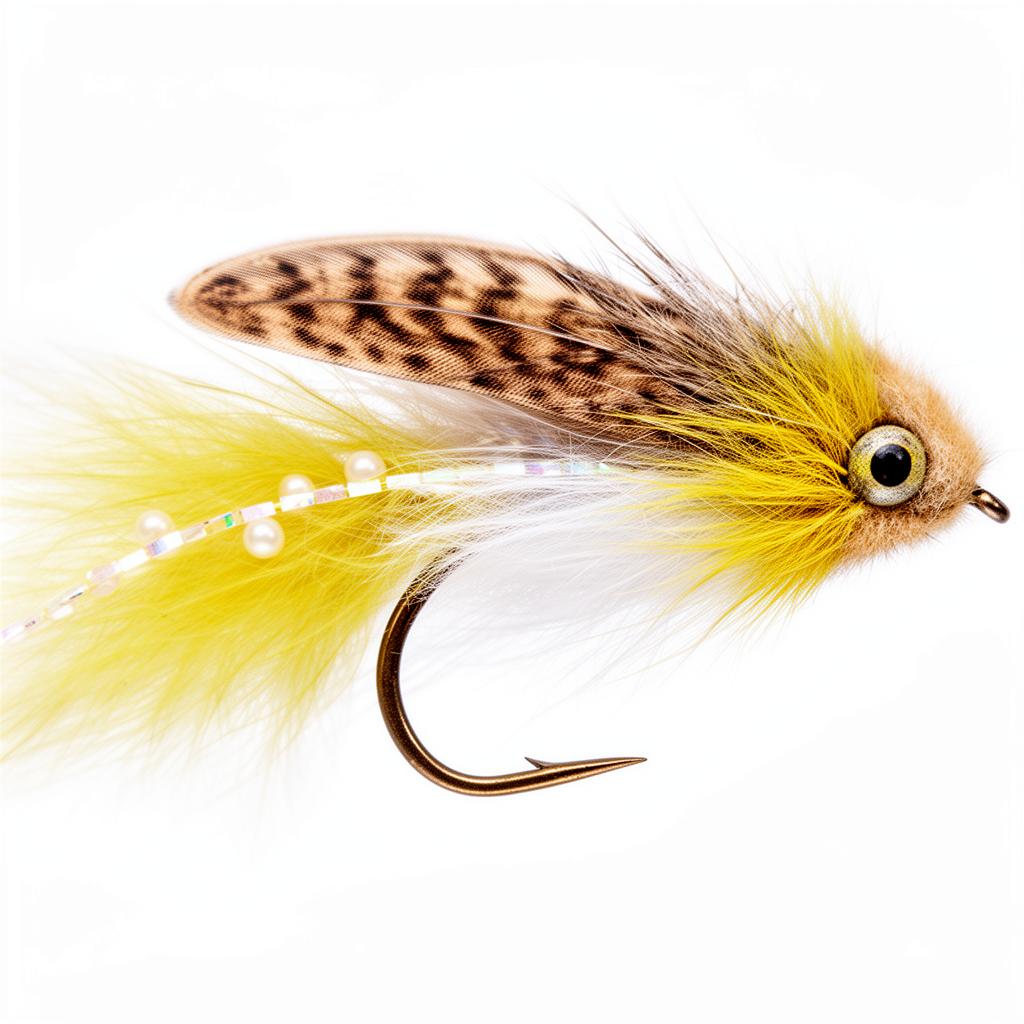
Sculpin and broad-bodied baitfish
How to Use This Guide
Match the water temp first. Cold water (under 50°F) means midges and small nymphs. Mid-range water (50-65°F) opens up mayflies, caddis, and emergers. Warm water (above 65°F) brings hoppers and terrestrials.
Then match the flow. High water (over 600 CFS) calls for streamers like the Woolly Bugger. Normal flows fish best with two-fly nymph rigs or a dry-dropper. Low clear water demands smaller flies and longer leaders.
When in doubt, throw an Adams or a Hare's Ear. They've fooled trout for over a century for a reason.
 Map
Map Fly Guide