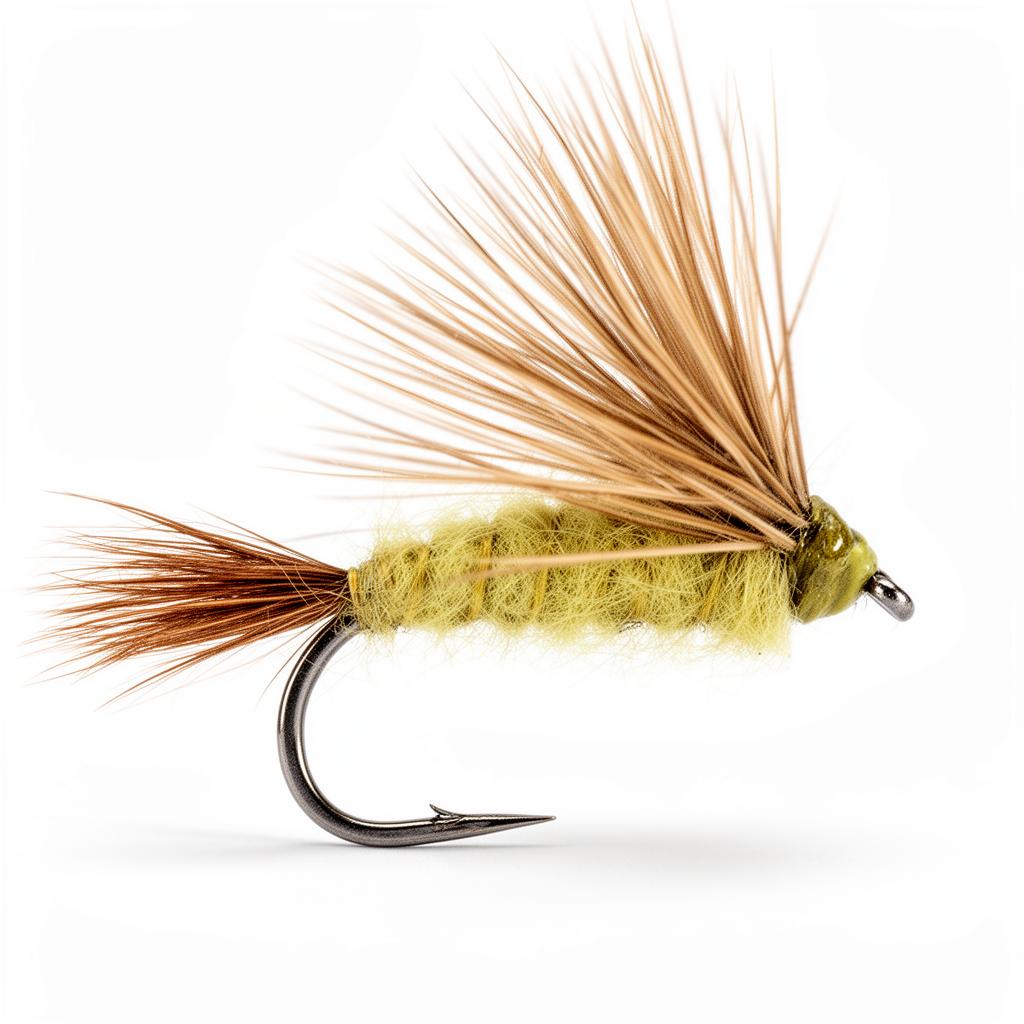
Sparkle Dun
Imitates: Emerging mayfly dun (BWO, PMD, Callibaetis, Trico)
Quick Reference
- Best Sizes
- #14-20
- Best Season
- Spring through Fall during mayfly hatches
- Best Conditions
- Flat water, slow tailouts, selective rising fish
- Water Temp
- 50-65°F
- Recommended Tippet
- 5X-6X
How to Rig It
Single dry on a long leader to flat-water risers, or as the dry in a dry-dropper rig.
How to Present It
Cast upstream of the riser with a slack-line presentation. The trailing shuck rides in the film while the wing stands up — exactly what an emerging dun looks like.
Why It Works
Half the dun is below the surface (trailing Z-lon shuck), half above (deer hair wing). It imitates the moment a mayfly is most vulnerable — half-emerged, can't fly. Trout key on this stage during heavy hatches.
History
Craig Mathews of Blue Ribbon Flies developed the Sparkle Dun on the Madison River in the 1980s as a simpler, more durable Comparadun. It's now the standard emerger pattern across the West.
Pro Tip
Match the body color to the natural — olive for BWO, yellow for PMD, gray for Callibaetis. Always carry it one size smaller than what's hatching.
Frequently Asked Questions
What's the difference between a Sparkle Dun and a Comparadun?+
The Sparkle Dun has a Z-lon trailing shuck instead of split tails — it imitates an emerging dun, while the Comparadun imitates a fully emerged adult.
What size Sparkle Dun for a BWO hatch?+
#18-20 in olive. On tailwaters with tiny BWOs, drop to #22.
Not sure if Sparkle Dun is right today?
Get a fly recommendation based on live water temp, flow, sky, and time of day for any river in the US.
Open Fly Advisor Map
Map Fly Guide