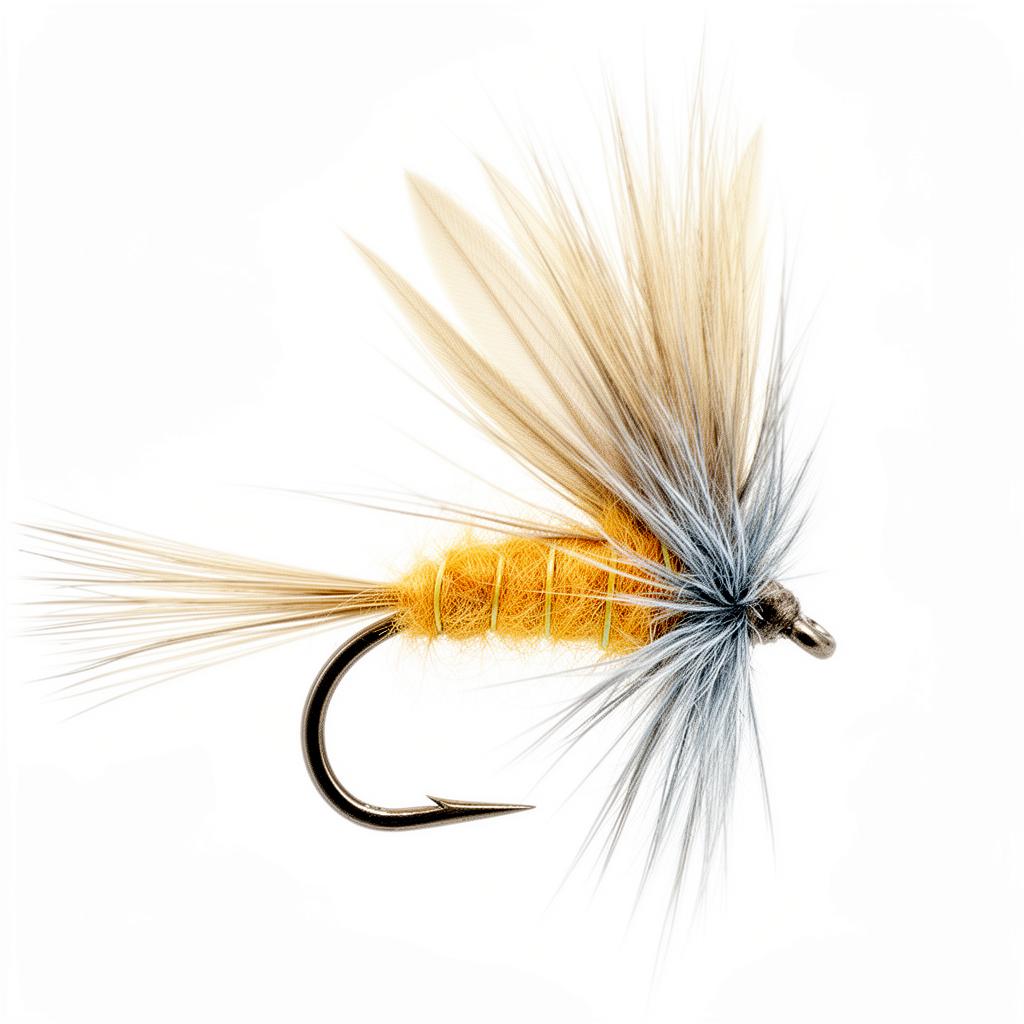
Sulphur Dun
Imitates: Sulphur mayfly dun (Ephemerella invaria, E. dorothea)
Quick Reference
- Best Sizes
- #14-18
- Best Season
- Mid-May through July — the East's most beloved hatch
- Best Conditions
- Cloudy late afternoons and evenings on Eastern limestone streams and freestoners
- Water Temp
- 55-65°F
- Recommended Tippet
- 5X-6X nylon (for soft presentation)
How to Rig It
Single dry fly on a long leader, 9-12ft. No dropper during a Sulphur hatch — it spooks fish.
How to Present It
Drag-free drift to a sipping fish. Cast 3-4 feet upstream of the rise ring; let it drift naturally. Sulphur sippers are precise eaters.
Why It Works
Sulphurs hatch in massive numbers on Eastern tailwaters and limestone creeks (Penns, Yellow Breeches, Delaware). The pale yellow body and dun wings are an exact match — fish lock on hard.
History
Originally a Catskill-school pattern refined on Pennsylvania's limestoners by Vince Marinaro and Charlie Fox. Today it's the signature hatch from PA to NY to the Smokies.
Pro Tip
Carry both the dun (#16) and a Sulphur emerger (#18) — fish often switch from one to the other within minutes of the hatch peaking.
Frequently Asked Questions
Where are Sulphur hatches found?+
Primarily East and Midwest U.S. — Pennsylvania (Penns, Spring Creek), New York (Delaware, Beaverkill), and Appalachian tailwaters. Rare out West.
What's the difference between a Sulphur and a PMD?+
They're sister species. PMDs (Western, Ephemerella excrucians) run paler yellow; Sulphurs (Eastern) trend more orange-yellow. Patterns are interchangeable in #16-18.
Not sure if Sulphur Dun is right today?
Get a fly recommendation based on live water temp, flow, sky, and time of day for any river in the US.
Open Fly Advisor Map
Map Fly Guide