Royal Coachman
Imitates: Attractor — no specific natural; a flashy general invitation
Quick Reference
- Best Sizes
- #10-16
- Best Season
- Summer, especially mountain streams and brook trout water
- Best Conditions
- Small streams, broken water, brook and cutthroat water, searching unknown water
- Water Temp
- 45-65°F
- Recommended Tippet
- 4X-5X mono
How to Rig It
Fish wet on a swing, or as a classic dropper behind a larger dry. The original was a wet fly; later dry and Wulff variants exist.
How to Present It
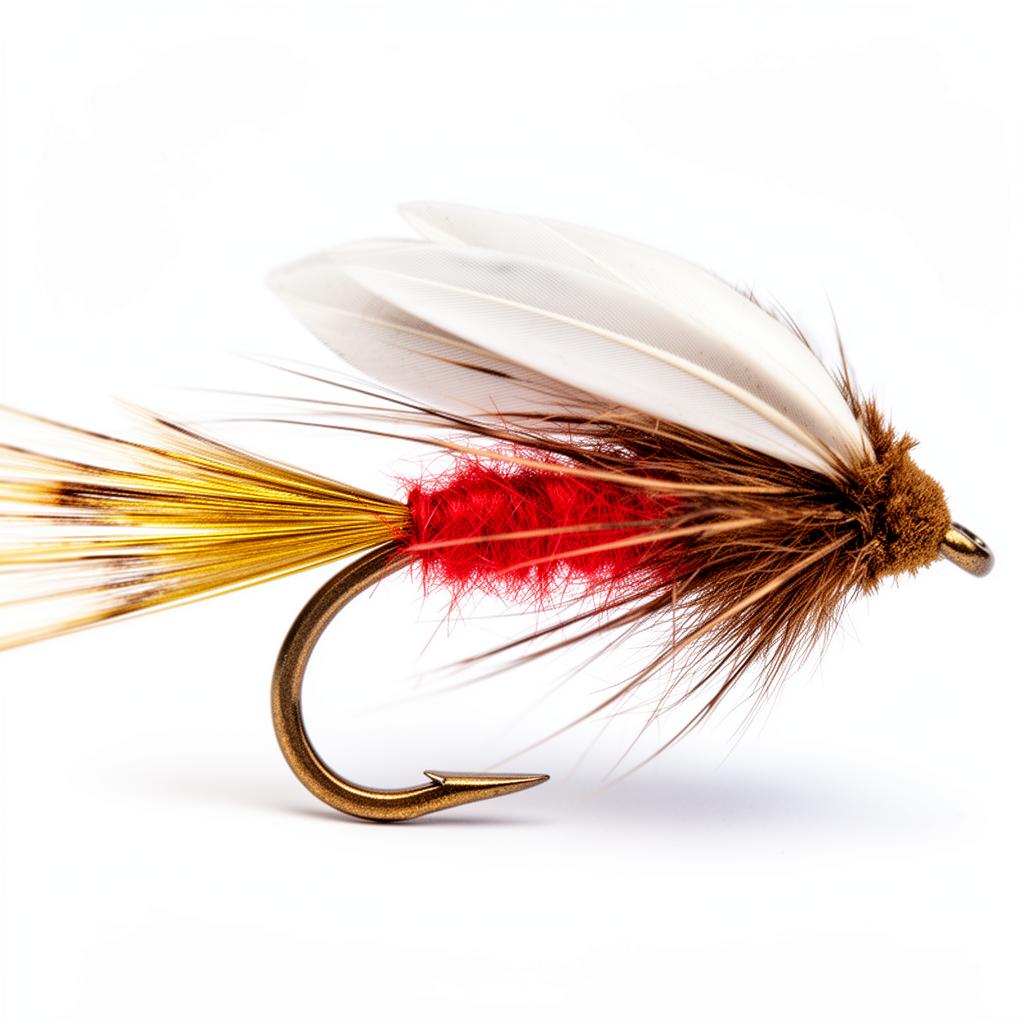
Swing through pools and pocket water, or dead-drift the dry version through likely lies. Brook trout cannot resist that red band.
Why It Works
The peacock herl and bright red floss combine flash and contrast that trigger reaction strikes from opportunistic stream trout that don't see many flies.
History
Tied by John Hailey of New York in 1878 at the request of professional fly tier Charles Orvis. The 'Royal' modification — adding the red floss band to the original Coachman — is one of the oldest American fly patterns still in active use.
Pro Tip
If you're walking up a small backcountry stream and don't know what's hatching, tie on a #14 Royal Coachman or Royal Wulff. Brook trout will tell you everything you need to know.
Frequently Asked Questions
Is the Royal Coachman a dry or wet fly?+
Originally a wet fly from 1878. The dry version came later, and the Royal Wulff (Lee Wulff's hair-wing variant) is the most common modern form.
Why does the Royal Coachman work if it imitates nothing?+
It's an attractor pattern — peacock and red trigger strikes from opportunistic, less-pressured trout, especially brook trout in mountain streams.
Not sure if Royal Coachman is right today?
Get a fly recommendation based on live water temp, flow, sky, and time of day for any river in the US.
Open Fly Advisor Map
Map Fly Guide